
AI Plant Disease & Nutrient Deficiency Identifier
Upload a leaf photo to diagnose plant diseases, nutrient deficiencies (Iron, Nitrogen, Zinc, etc.), and insect pests with instant differential analysis and verified remedies.
Upload Plant Image
Choose any method below – all work seamlessly!
Drop your image here
or click to browse • Supports JPG, PNG, WEBP, GIF • Paste with Ctrl+V
New to BioLens? Try an Example
Preview Area
Your image will appear here after upload or camera capture
AI-Powered Plant Disease & Pest Identification
The BioLens Plant Disease Identifier uses a deep learning vision model trained on thousands of labelled crop disease and pest images to diagnose what is affecting your plant from a single photograph. Upload a clear image of the affected leaf, stem, or fruit and receive the top three most likely diagnoses within seconds — each matched to a comprehensive guide covering visual identification markers, biological lifecycle, crop impact, organic control methods, and chemical treatment options.
The tool covers over 100 common plant diseases and pests across five categories: fungal diseases (powdery mildew, anthracnose, rust, early and late blight, root rot, fusarium wilt), bacterial diseases (citrus canker, fire blight, bacterial wilt, crown gall), viral diseases (mosaic virus, citrus greening/HLB), and a comprehensive range of insect pests (aphids, spider mites, whitefly, mealybugs, thrips, scale insects, psyllids, leaf miners, borers, beetles, caterpillars, and more). Early and accurate diagnosis is the most effective first step in plant protection.
Each identification result links to a detailed disease profile reviewed for accuracy against plant pathology literature from the Indian Council of Agricultural Research (ICAR), USDA, and the European and Mediterranean Plant Protection Organisation (EPPO).
How to Identify Plant Diseases in 4 Steps
Take a Clear Photo
Photograph the affected area — a diseased leaf, spotted fruit, or infested stem — in good natural lighting. Zoom in close on the symptoms. Clear, focused images significantly improve accuracy.
Upload Your Image
Browse for a file, drag and drop, paste from clipboard (Ctrl+V), use your live camera, or enter a direct image URL. JPG, PNG, WEBP, and GIF formats are all supported.
Get Instant AI Diagnosis
The AI analyses visual patterns and matches them against 100+ plant diseases and pests, returning the top 3 most likely results with a confidence percentage for each match.
Follow the Treatment Guide
Click any result to access the full disease profile: visual markers, lifecycle, affected crops, organic and chemical control options, and preventative measures tailored to your situation.
Priority Pests & Diseases
High-impact botanical threats being tracked this week
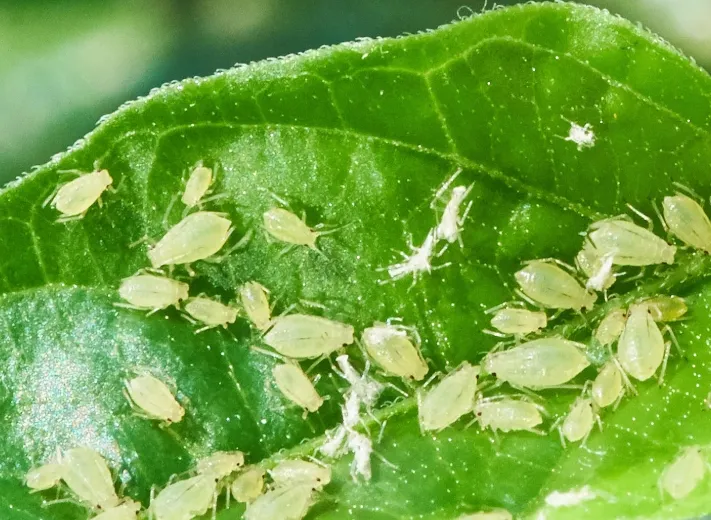
Aphids
Aphidoidea (Superfamily)
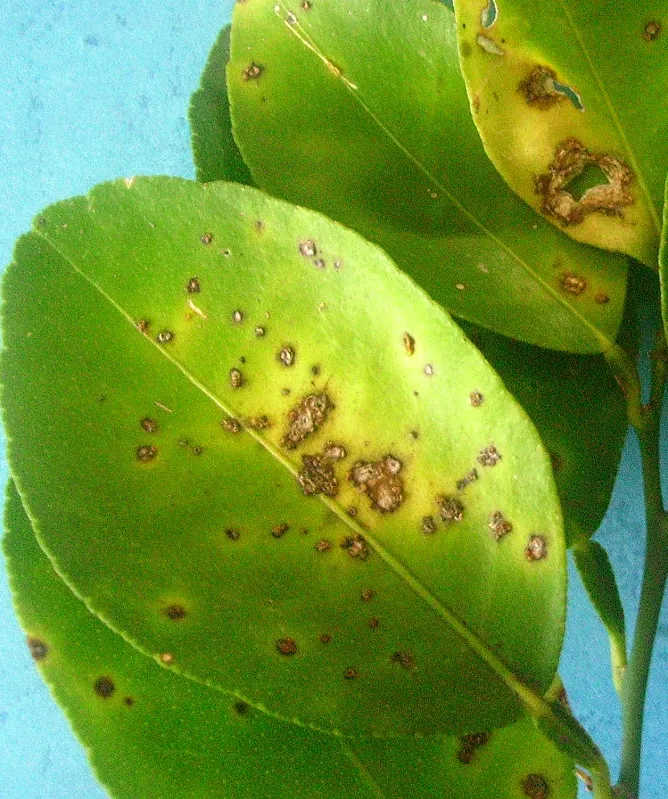
Citrus Canker
Xanthomonas citri
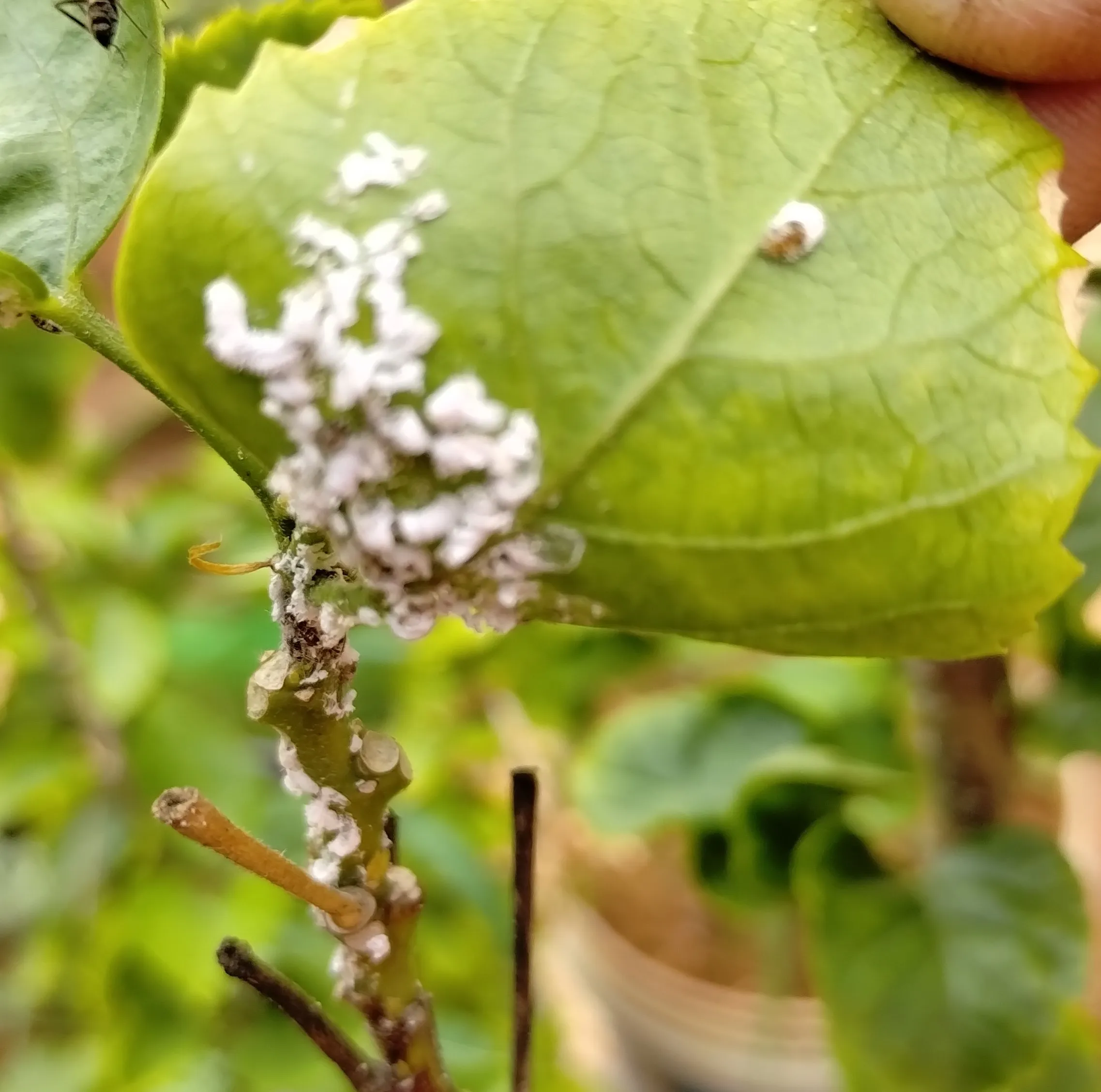
Mealybug
Pseudococcus spp. (Pseudococcidae)
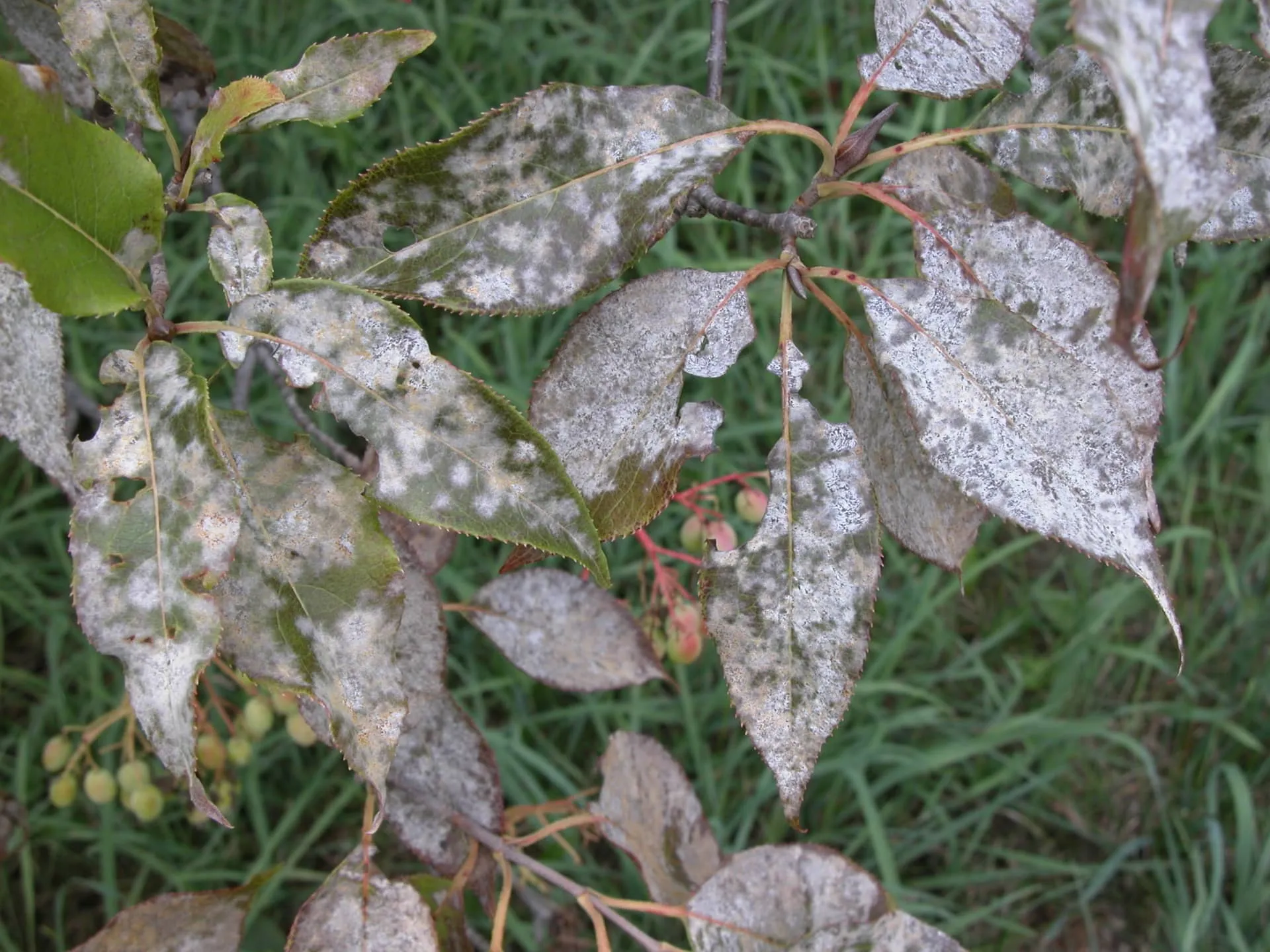
Powdery Mildew
Erysipheae, Erysiphaceae
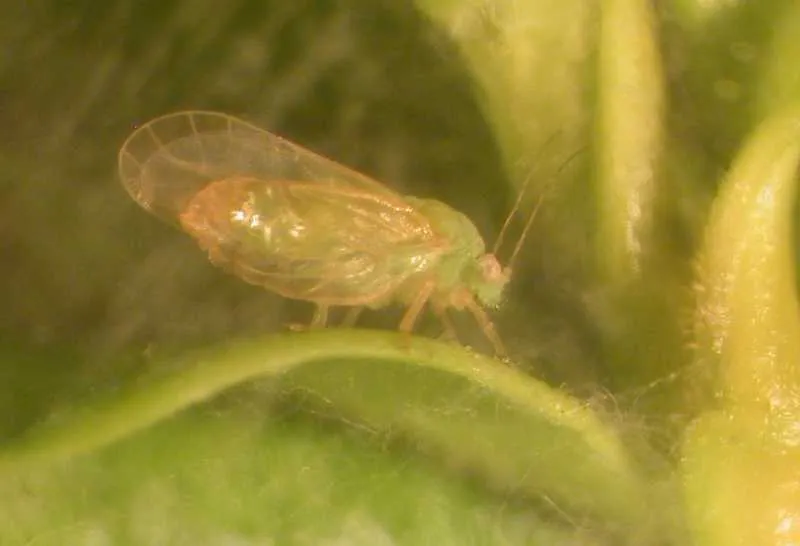
Psyllid Pest
Psylloidea
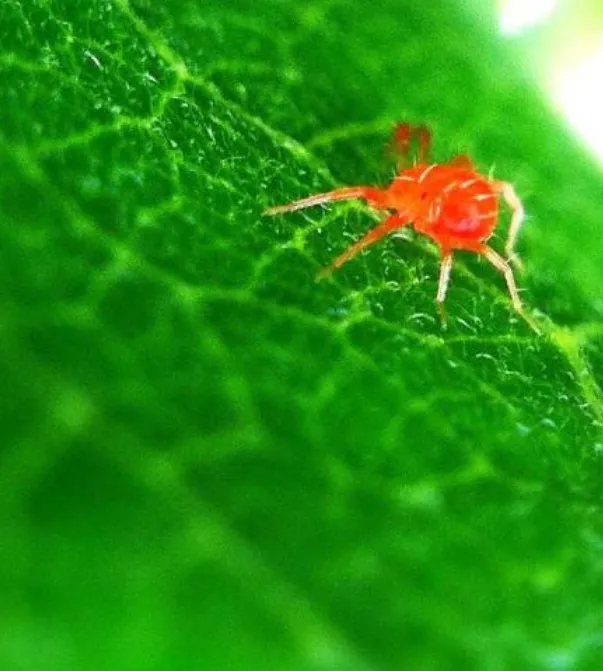
Spider Mite
Tetranychus urticae
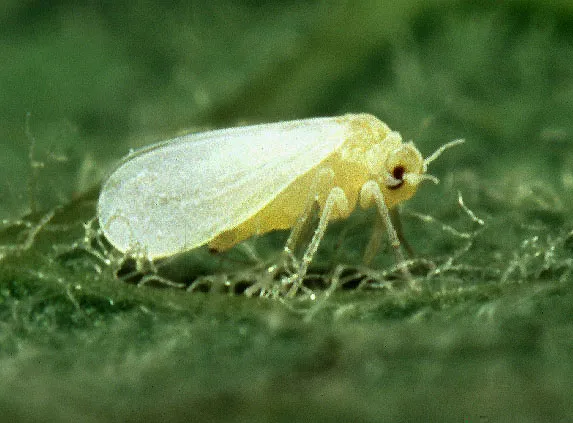
Whitefly Pest
Bemisia tabaci, Trialeurodes vaporariorum
From the Blog
Sharpen your plant protection knowledge
Identifying the Enemy: A Comprehensive Classification of Garden Pests and Pathogens
Learn to distinguish the 7 classes of garden threats — borers, suckers, miners, chewers, and more — with key identification markers, high-risk plants, and damage patterns.
Read the Full GuideBrowse All Plant Diseases & Pests
Click any disease or pest to view its full identification guide, symptoms, and treatment recommendations.
Frequently Asked Questions
How accurate is the AI plant disease identifier?
The BioLens AI model is trained on thousands of labelled plant disease and pest images and typically returns the correct diagnosis in the top 3 results. Accuracy is highest with clear, well-lit, close-up photos focused on the affected area. If the top result does not match, check the second and third — one of the three is usually correct.
What plant diseases can BioLens identify?
BioLens identifies over 100 plant diseases and pests including fungal diseases (powdery mildew, anthracnose, rust disease, early blight, late blight, fusarium wilt, root rot), bacterial diseases (citrus canker, fire blight, bacterial canker, bacterial wilt, crown gall), viral diseases (mosaic virus, citrus greening), and insect pests (aphids, spider mites, whitefly, mealybugs, thrips, psyllids, scale insects, leaf miners, borers, beetles, and caterpillars).
Is the plant disease identifier free to use?
Yes. BioLens Plant Disease Identifier is completely free with no account or payment required. Upload a photo and receive an instant AI diagnosis along with a link to the full disease guide covering symptoms, treatment, and prevention — all at no cost.
What photo quality gives the best disease detection results?
Use clear, well-lit close-up photos with the diseased area filling most of the frame. Avoid blurry images, heavy shadows, and cluttered backgrounds. Natural daylight produces the best results. For small pests like spider mites, aphids, or scale insects, zoom in as closely as possible. Multiple photos can be submitted separately if symptoms appear in different areas.
How do I treat powdery mildew on plants?
Improve air circulation around the affected plant and avoid overhead watering. Remove and bin heavily infected leaves promptly. Apply potassium bicarbonate, neem oil at 1%, or a sulphur-based fungicide spray weekly during active infection. For severe infestations, use a systemic fungicide containing myclobutanil or tebuconazole per label instructions. Prevention through adequate plant spacing and limiting excess nitrogen fertiliser is equally important.
What are the early signs of an aphid infestation?
Early aphid signs include distorted, curled, or cupped young leaves; a sticky, shiny honeydew glaze on leaf surfaces; dense clusters of tiny 1-3 mm pear-shaped insects on shoot tips and leaf undersides (green, black, brown, or yellow); ants actively tending the plant; and a growing grey bloom of sooty mould. Act early — aphid colonies can multiply ten-fold within a single week under warm conditions.
What is the difference between early blight and late blight on tomatoes?
Early blight (Alternaria solani) appears first on older lower leaves as brown concentric ring target-like lesions with a yellow halo, developing in warm humid conditions. Late blight (Phytophthora infestans) causes large, irregular, water-soaked grey-green lesions that expand rapidly in cool, wet weather and can destroy an entire crop within days. Late blight is far more catastrophic — it is the same pathogen responsible for the Irish Potato Famine of 1845-1852.
How is citrus greening disease (HLB) spread and controlled?
Citrus greening (Huanglongbing/HLB) is spread exclusively by the Asian Citrus Psyllid (Diaphorina citri), which acquires the bacterium Candidatus Liberibacter asiaticus from infected trees and can transmit it within 30 minutes of feeding on a healthy tree. There is currently no cure for infected trees. Management requires controlling the psyllid vector using the parasitic wasp Tamarixia radiata, applying systemic insecticide soil drenches during new flush growth, and promptly removing and destroying confirmed HLB-infected trees to protect surrounding orchards.