
Aphids
Aphidoidea (Superfamily)
About Aphids
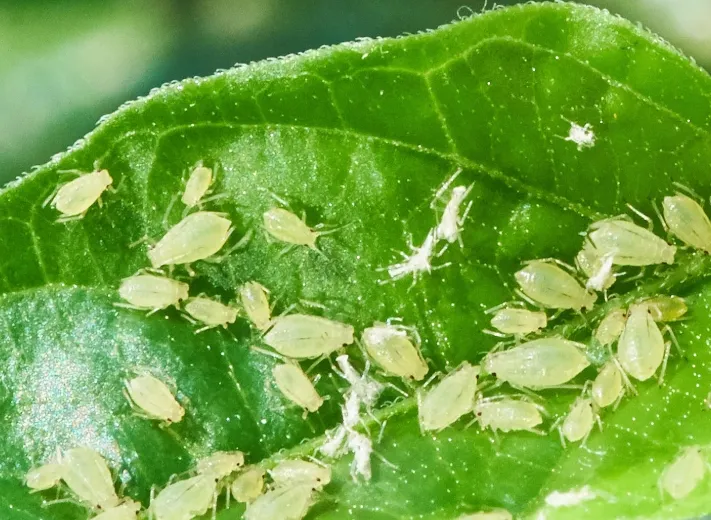
Aphids (*family Aphididae*), belonging to the superfamily *Aphidoidea* of the order *Hemiptera*, are small, soft-bodied, pear-shaped insects that represent one of the most prolific and economically damaging plant pests in global agriculture. These sap-sucking insects colonize hosts in dense, rapidly expanding clusters, utilizing needle-like mouthparts (stylets) to pierce host tissues and drain nutrient-rich phloem sap. This feeding deprives plants of vital sugars, leading to stunted shoots and deformed vegetative growth.
Identifying an aphid infestation involves checking growing tips, buds, and leaf undersides where these 1–3 mm insects congregate. They display a characteristic pair of exhaust-pipe-like structures called cornicles projecting from the rear of their abdomen, which are unique to aphids. Infested foliage displays severe leaf curling, puckering, stunting of shoots, and a shiny, sticky layer of excreted honeydew. This sugary waste promotes the growth of black sooty mold and attracts protective ant colonies.
Aphids are highly polyphagous and attack virtually every crop.
| Affected Crops / Plants | Severity Rating | Damage Symptoms |
|---|---|---|
| Cabbage, Cauliflower, Mustard | Extreme (⭐⭐⭐) | Severe leaf curling, stunted shoots, crop contamination |
| Cotton, Cucurbits, Citrus | Extreme (⭐⭐⭐) | Honeydew coating, sooty mold, virus vectoring (CMV) |
| Roses, Peppers, Tomatoes | High (⭐⭐) | Deformed buds, flower drop, yellowing chlorosis |
Aphids exhibit a fascinating, high-speed biology. Under warm spring and summer conditions (18°C to 24°C), females reproduce parthenogenetically (without mating), giving birth to live, already-pregnant female clones. This unique 'telescoping generations' allows populations to multiply from a few individuals to tens of thousands within a fortnight. When populations become overcrowded or resources dry up, aphids develop wings (alates) to disperse on wind currents to new host plants. For organic management, start with a forceful stream of water to dislodge colonies, or apply foliar sprays of neem oil at 0.5% or potassium fatty acid-based insecticidal soaps to dissolve their membranes. Biological control is highly effective through conservation of natural predators like ladybird beetles (*Coccinellidae*), lacewing larvae, and parasitic wasps (*Aphidius*). Chemical control is achieved with systemic neonicotinoids like acetamiprid or contact malathion, though broad-spectrum chemicals should be avoided to prevent secondary pest outbreaks. Prevent infestations by avoiding excess nitrogen fertilizers, which trigger succulent, pest-attractive new growth. For comprehensive agricultural support, visit our Plant Disease Identifier Hub, or explore related threat profiles like Scale Insects, Thrips, and Lace Bugs, and our in-depth Garden Pest Classification Guide.
Taxonomy & Features
- Diagnostic Cornicles: Presence of twin 'exhaust-pipe' structures at the rear of the abdomen, used for secreting alarm pheromones (beta-farnesene) to warn the colony.
- Virus Vector Efficiency: Capable of transmitting 100+ non-persistent viruses like Potato Virus Y through rapid 'test probes' that take less than 15 seconds.
- Reproduction Velocity: Unique 'telescoping generations' where a female nymph is born already containing the embryo of her own future offspring.
- Indian Host Specials: Aphis gossypii dominates cotton and cucurbit crops, while the black citrus aphid (Toxoptera aurantii) specifically targets new coffee and citrus flush.
- Natural Predation: A single adult ladybird (Coccinellidae) can consume up to 50 aphids per day, providing highly effective biological control in balanced ecosystems.
- Selective Management: Insecticidal soaps at 1-2% concentration effectively disrupt aphid cell membranes without leaving harmful residues for larger beneficial insects.
Seasonal Outbreak Calendar
Outbreak risk and activity timeline for Aphids based on seasonal climate patterns:
Names in Different Languages
Affected Plant Species
Vegetables & Crops
- Mustard
- Cabbage
- Cauliflower
- Cucumber
- Tomato
- Chili Pepper
Flowers & Ornamentals
- Roses
- Chrysanthemums
- Marigolds
- Hibiscus
- Nasturtiums
Fruits & Berries
- Citrus (Lemon, Orange)
- Pomegranate
- Apple
- Peach
- Watermelon
Prevention & Cure
Natural & Organic Methods
- Forceful Water Jet: Blast leaf undersides with a strong stream of water to physically dislodge and kill aphid colonies.
- Predatory Insects: Release or attract beneficial predators like ladybugs, hoverfly larvae, and green lacewings.
- Neem Oil Spray: Apply cold-pressed neem oil at 0.5% concentration to disrupt aphid feeding and growth.
- Insecticidal Soap: Spray 1-2% potassium fatty acid soap to dissolve the aphids' delicate waxy outer membrane.
Chemical & Professional Control
- Systemic Neonicotinoids: Apply products containing Imidacloprid or Acetamiprid systemically for severe agricultural outbreaks.
- Foliar Organophosphates: Spray Malathion for fast knockdown contact action in non-edible crops.
- Pymetrozine: Use selective feeding blockers which cause aphids to permanently stop sucking sap.
Frequently Asked Questions
Why do ants associate with aphids?
Ants form a mutualistic relationship with aphids. Aphids secrete a sweet, sticky fluid called honeydew while feeding on plant sap. Ants harvest this honeydew as a highly nutritious food source, and in return, actively protect the stationary aphids from predators like ladybugs.
Can aphids fly?
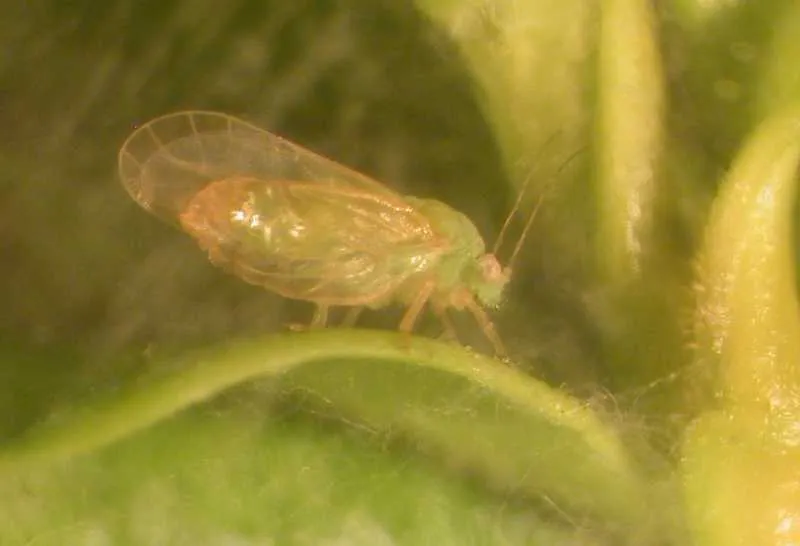
Most aphids are wingless (apterous), but when host plants become overcrowded, heavily damaged, or experience seasonal changes, aphids produce offspring that grow transparent wings (alates). These winged aphids fly and drift on the wind to locate fresh host plants.
How do I distinguish downy mildew from aphids?
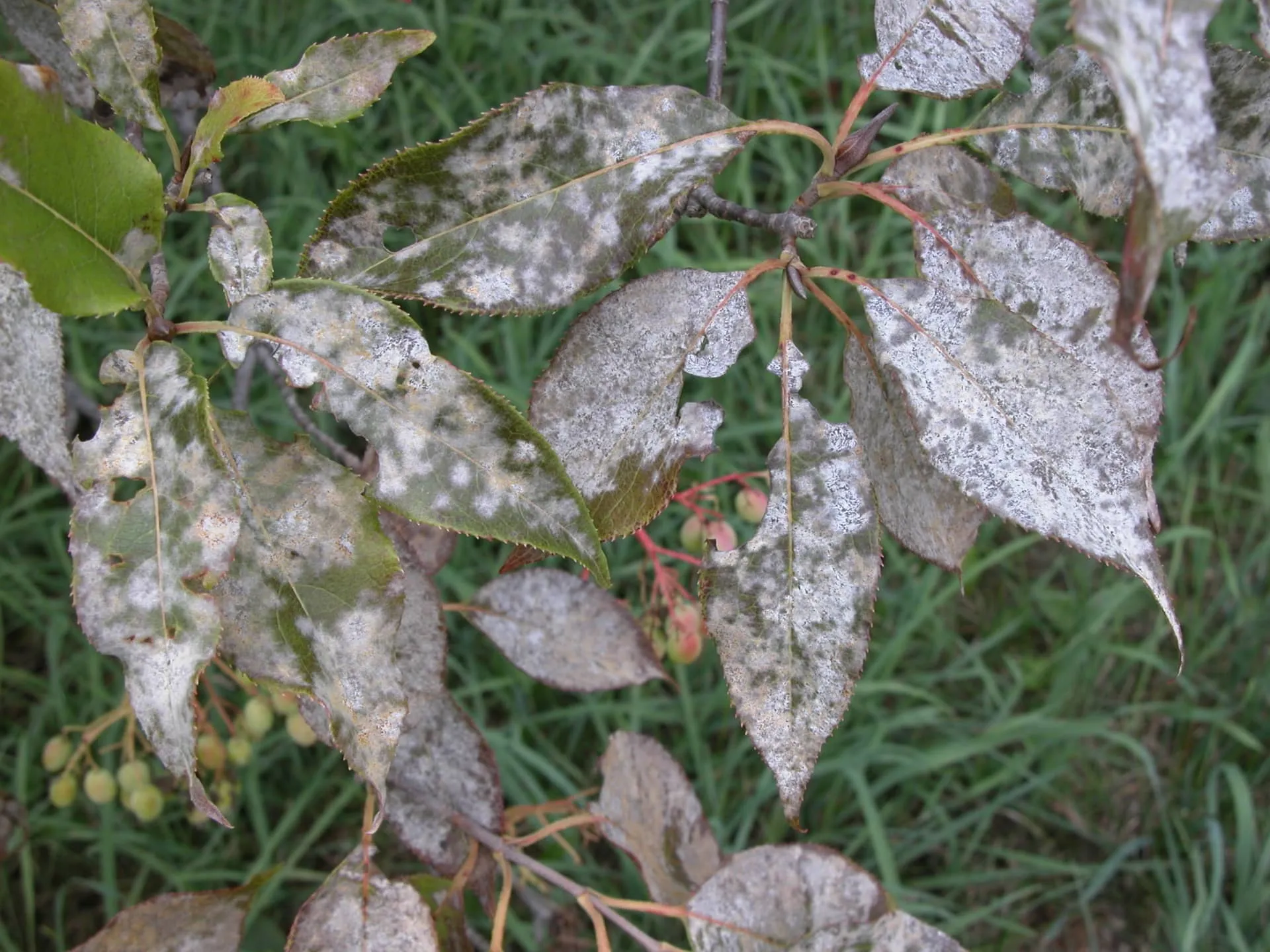
Downy mildew is a fungal pathogen that creates yellow angular patches on upper leaf surfaces and greyish-purple fuzzy spores underneath. Aphids are active, crawling insects with distinct pear-shaped bodies and visible cornicles clustering on leaves.
Recommended diagnostics based on crop family and symptoms:
Remedy Disclaimer & Safety Notice
This disease guide is for educational screening purposes only. Pathogen behavior, severity, and host susceptibility can vary dramatically based on seed variety, weather conditions, and regional microclimates. Chemical pesticides and organic treatments are subject to strict regional environmental regulations and registration mandates. Please verify all chemical registrations and review manufacturer safety labels carefully with local certified agronomists or agricultural extension service offices before applying.