
Brown Rot
Monilinia fructicola
About Brown Rot
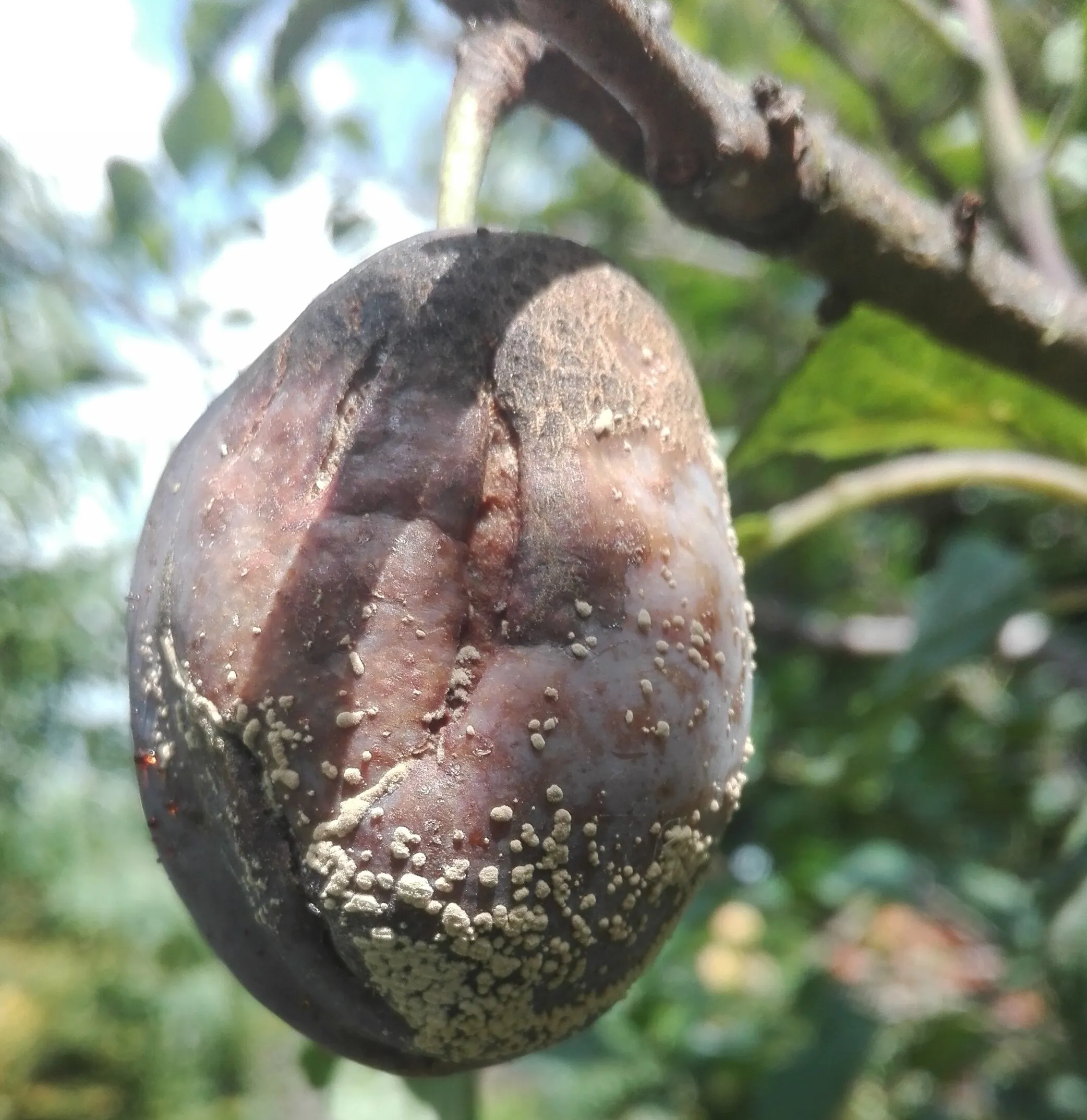
Brown rot is one of the most common and devastating fungal diseases affecting stone fruits globally, caused primarily by the pathogens Monilinia fructicola and Monilinia laxa. This disease targets nearly all parts of the plant, including blossoms, twigs, and the fruit itself. It is particularly notorious for its ability to destroy an entire harvest just days before the fruit reaches peak ripeness, as the increasing sugar content in maturing fruit makes it an ideal substrate for rapid fungal colonization.
The disease typically manifests in two distinct phases. The first is "blossom blight," where flowers suddenly wilt, turn brown, and die shortly after opening in the spring. These infected blossoms often stick to the twig and become a source of infection for the developing fruit. The second, more visible phase is the fruit rot, which begins as a small, soft, circular brown spot that expands with incredible speed, eventually engulfing the entire fruit in a mass of tan to grayish fungal spores.
The life cycle of Monilinia is perfectly adapted for overwintering.
| Crop/Plant Type | Severity Rating | Impact Description |
|---|---|---|
| Peaches, Plums, Apricots | Extreme (⭐⭐⭐) | Rapid fruit rot, concentric tan spore rings, fruit shriveling into clingy mummies, and twig cankers |
| Sweet & Sour Cherries | Extreme (⭐⭐⭐) | Blossom blight, stem browning, rapid fruit decay, and severe post-harvest storage collapse |
| Almonds & Flowering Cherries | Medium (⭐) | Minor twig blight, hull rot in almonds, and cosmetic leaf canopy spot |
Managing brown rot requires a rigorous sanitation program and a well-timed fungicide schedule. Because the fungus thrives in stagnant, humid air, pruning for an open tree canopy is essential to promote rapid drying of foliage and fruit. Chemical controls are most effective when applied during the critical windows of bloom and the final three weeks before harvest. For organic growers, the primary defense is the religious removal of all infected material and the use of biological control agents or sulfur-based protectants. For details, refer to the Plant Disease Identifier Hub, or see similar profiles like Fire Blight, Apple Scab, and Root Rot.
Taxonomy & Features
- Expanding Brown Spots: Soft, circular brown spots on ripening fruit that can expand to cover the entire surface within 48 hours.
- Tan Fungal Tufts: Characteristic grayish-tan, velvety tufts of fungal spores (conidia) that erupt in concentric circles from the rotting fruit.
- Fruit Mummification: Infected fruit eventually shrivels, dries out, and turns into a hard, black "mummy" that clings to the tree over winter.
- Blossom Blight: Flowers suddenly turn brown and collapse shortly after blooming, often remaining attached to the twig by a sticky exudate.
- Twig Cankers: Small, sunken, dark-colored sores on one-year-old twigs that can eventually girdle and kill the branch tip.
- Post-Harvest Rot: The disease often remains latent in healthy-looking fruit and erupts rapidly during transport or storage.
Seasonal Outbreak Calendar
Outbreak risk and activity timeline for Brown Rot based on seasonal climate patterns:
Names in Different Languages
Affected Plant Species
Vegetables & Crops
- None (Exclusively affects Rosaceae family)
Flowers & Ornamentals
- Flowering Cherry
- Ornamental Plum
- Flowering Almond
- Purple-leaf Sand Cherry
Fruits & Berries
- Peach (Nectarine)
- Cherry (Sweet and Tart)
- Plum
- Apricot
- Almond
Prevention & Cure
Natural & Organic Methods
- Sanitation (Rogueing): Remove and destroy all fruit mummies from the tree and the ground during winter; prune out all visible twig cankers.
- Thinning: Thin developing fruit so they do not touch each other, as contact provides a perfect bridge for the fungus to spread.
- Open Pruning: Prune trees into an "open center" or "vase" shape to maximize sunlight penetration and air circulation throughout the canopy.
- Neem Oil & Sulfur: Apply sulfur-based sprays or Serenade (Bacillus subtilis) during the bloom period as an organic protective barrier.
- Safe Harvesting: Handle fruit with extreme care to avoid bruising or skin punctures, which are the primary entry points for post-harvest rot.
Chemical & Professional Control
- Bloom Sprays: Apply systemic fungicides like Propiconazole or Fenbuconazole during the "popcorn" and "full bloom" stages.
- Pre-Harvest Schedule: Maintain a strict spray schedule using Captan or Chlorothalonil starting 3 weeks before harvest as fruit begins to color.
- Post-Harvest Treatment: Use approved food-grade antifungal dips or waxes in commercial operations to prevent storage rot.
Frequently Asked Questions
Can I eat a peach that has a small brown rot spot?
You can cut out the affected area and eat the rest of the peach, but the fruit will deteriorate very quickly. The rot often gives the surrounding flesh a slightly bitter flavor.
Why do my peaches only start rotting right when they are ready to pick?
As stone fruits ripen, their sugar content increases and their skin softens. This combination makes the fruit highly susceptible to fungal spores that may have been present but dormant.
Do I have to burn the mummies and cankers I prune off?
Yes. Burning, deep burial (at least 1 foot), or removing them from the site is essential. Simple composting does not reach high enough temperatures to kill the Monilinia spores.
Recommended diagnostics based on crop family and symptoms:
Remedy Disclaimer & Safety Notice
This disease guide is for educational screening purposes only. Pathogen behavior, severity, and host susceptibility can vary dramatically based on seed variety, weather conditions, and regional microclimates. Chemical pesticides and organic treatments are subject to strict regional environmental regulations and registration mandates. Please verify all chemical registrations and review manufacturer safety labels carefully with local certified agronomists or agricultural extension service offices before applying.