
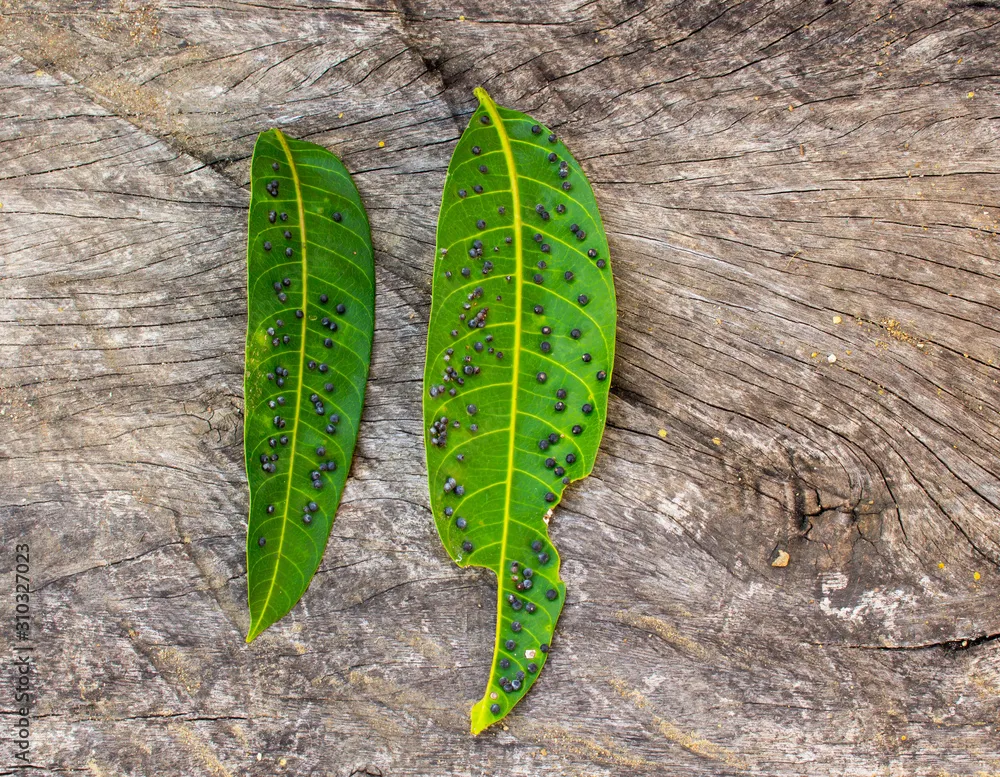
Mango Gall Midge
Erosomyia mangiferae
About Mango Gall Midge
The Mango Gall Midge (*Erosomyia mangiferae*, family Cecidomyiidae) is a highly destructive insect pest that targets commercial mango (*Mangifera indica*) cultivation. This tiny, mosquito-like fly specifically attacks the reproductive structures of the mango tree, targeting young inflorescence buds, emerging floral axes, and newly set fruitlets. The adult midges are minute (1–2 mm long) and relatively short-lived, but their larvae (maggots) are voracious feeding parasites. By tunneling into the succulent tissue of flower stems, flower buds, and tiny mustard-sized mangoes, the larvae disrupt nutrient flow, causing flowers to blacken, die, and fruit to drop prematurely, leading to devastating yield losses up to 80%.
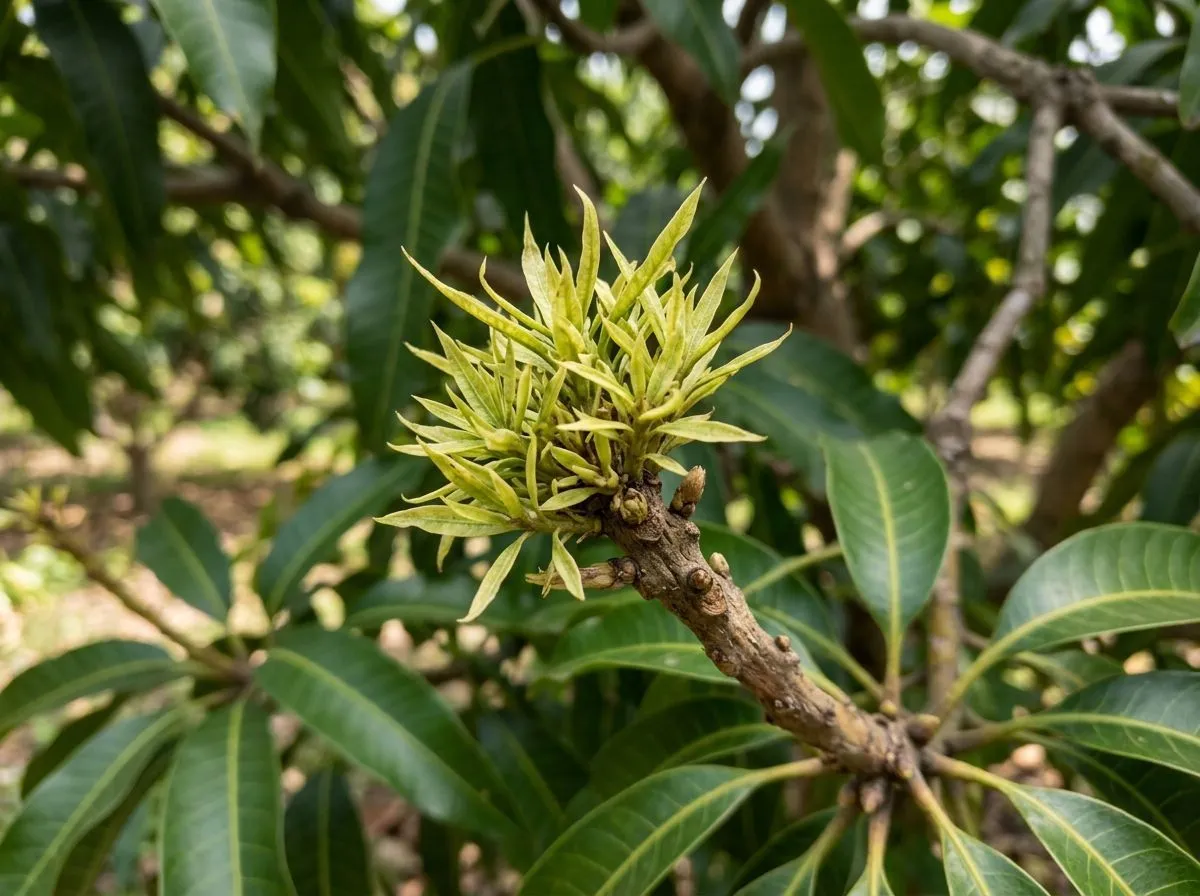
Identifying a Mango Gall Midge infestation is crucial during the flowering season to prevent fruit loss. Early symptoms manifest as small, dark brown or black necrotic spots on the flower stems (peduncles) and inflorescence axes. As larvae feed internally, the flower stalks bend abnormally and dry up. Emerging flower buds remain unopened, turn dry, and drop. Affected newly set fruitlets exhibit tiny exit holes and turn black, shriveling before falling from the tree. Breaking open a blackened inflorescence stem or young fruitlet will reveal tiny, legless, translucent-to-orange maggots (1.5–2.5 mm long) wriggling inside.
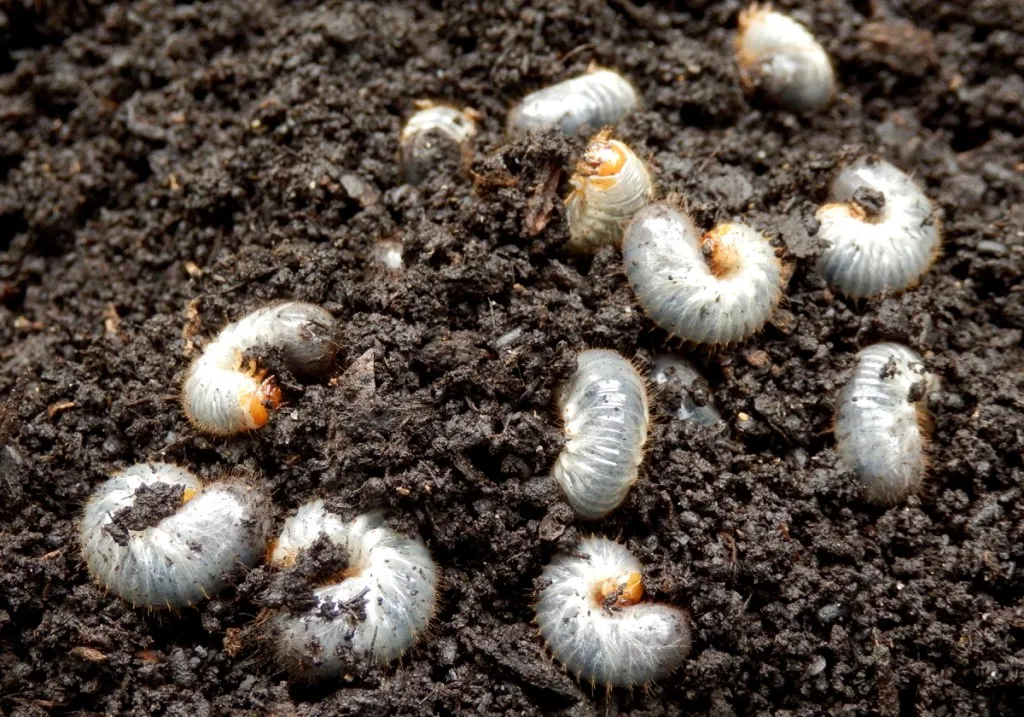
Mango Gall Midge is highly host-specific, primarily targeting commercial mango cultivars. The adult midge active phase matches cool, cloudy, and humid spring weather during mango bud swell. Females lay eggs inside flower buds or stem tissue. Upon hatching, larvae feed internally for 10–12 days before jumping out to drop to the soil, where they pupate in the top 2 inches.
| Mango Cultivar | Severity Rating | Inflorescence Impact |
|---|---|---|
| Alphonso & Kesar | Extreme (⭐⭐⭐) | Heavy blackening of floral stalks, total inflorescence drying |
| Amrapali & Mallika | High (⭐⭐) | Bud rot, shriveled flower clusters, reduced fruitlet set |
| Dasheri & Langra | Medium (⭐) | Moderate fruitlet drop, mild twig scarring |
Effective control of Mango Gall Midge requires managing both the soil-dwelling pupae and the foliar adult midges. Cultural control involves deep plowing of the orchard soil basin under the tree canopy in late autumn to expose pupae to winter cold and bird predators. Applying organic neem cake or a drench of Beauveria bassiana to the soil basin destroys pupating larvae. For foliage protection, apply neem oil or spinosad sprays during early inflorescence emergence. Chemical control requires targeted systemic insecticide sprays like dimethoate, imidacloprid, or lambda-cyhalothrin applied at early bud swell and mustard-sized fruit set. For advanced orchard health guidelines, consult our Plant Disease Identifier Hub, or explore our guides on Thrips, Powdery Mildew, and Citrus Canker.
Taxonomy & Features
- Inflorescence Stem Tunneling: Larvae feed inside flower stalks, causing flower heads to turn black, bend, and dry up.
- Mustard-Size Fruitlet Drop: Young fruits are hollowed out by maggots, leaving tiny escape holes as fruitlets turn black and drop.
- Soil Pupation Habit: Mature larvae actively launch themselves out of floral axes to pupate in the topsoil basin below the canopy.
- Cloudy Weather Active: Adult midges emerge and lay eggs during prolonged cool, cloudy, and humid spring mornings.
- Bud-Break Vulnerability: Females target newly cracking leaf and flower buds, making preventive spraying at bud-swell vital.
- Deep Basin Plowing: Turning soil basins over in late autumn exposes delicate pupating chambers to frost and predatory birds.
Seasonal Outbreak Calendar
Outbreak risk and activity timeline for Mango Gall Midge based on seasonal climate patterns:
Names in Different Languages
Affected Plant Species
Vegetables & Crops
- None documented (Strictly host-specific to mango and highly related wild Mangifera species)
Flowers & Ornamentals
- None documented (Strictly host-specific to mango and highly related wild Mangifera species)
Fruits & Berries
- Mango (Primary host - all commercial cultivars)
- Wild Mango (Mangifera sylvatica)
Prevention & Cure
Natural & Organic Methods
- Basin Cultivation: Plow the soil basins under the tree canopy to a depth of 6 inches in autumn to destroy pupae.
- Neem Cake Drench: Mix organic neem cake into the basin soil to repel and kill falling larvae seeking to pupate.
- Foliar Neem Oil: Spray 2% neem oil during early bud-swell to deter adults from laying eggs in emerging flowers.
- Orchard Sanitation: Rake up, carry away, and burn all fallen inflorescences and blackened fruitlets immediately.
Chemical & Professional Control
- Dimethoate Spray: Apply systemic dimethoate foliar spray at early bud break to control larvae feeding inside flower stems.
- Imidacloprid Spray: Apply a systemic imidacloprid spray at mustard-sized fruit set to target emerging midge generations.
- Lambda-Cyhalothrin: Use as a contact knock-down spray during peak adult fly emergence on warm spring mornings.
Frequently Asked Questions
Why do my mango flower clusters turn black and drop off without setting fruit?
This is a classic sign of Mango Gall Midge infestation (often coupled with Powdery Mildew). The midge larvae feed internally within the flower stalks, cutting off the water and nutrient supply. This causes the flower stalk to rot, turn dry black, and drop off completely.
When is the most critical time to spray for mango gall midge?
The most critical window is preventive—exactly at the bud-burst stage (when flower buds are first emerging and are the size of a match-head) and again when the fruitlets reach 'mustard-seed' size. Once larvae are inside the stalks, external sprays are ineffective.
Can soil treatment help control mango gall midge?
Yes. Because mature larvae drop from the flowers to pupate in the top 2 inches of soil beneath the tree canopy, deep plowing the tree basins and applying neem cake or a Beauveria bassiana drench in late autumn will destroy the pupating chambers and drastically reduce next spring's midge population.
Recommended diagnostics based on crop family and symptoms:
Remedy Disclaimer & Safety Notice
This disease guide is for educational screening purposes only. Pathogen behavior, severity, and host susceptibility can vary dramatically based on seed variety, weather conditions, and regional microclimates. Chemical pesticides and organic treatments are subject to strict regional environmental regulations and registration mandates. Please verify all chemical registrations and review manufacturer safety labels carefully with local certified agronomists or agricultural extension service offices before applying.