
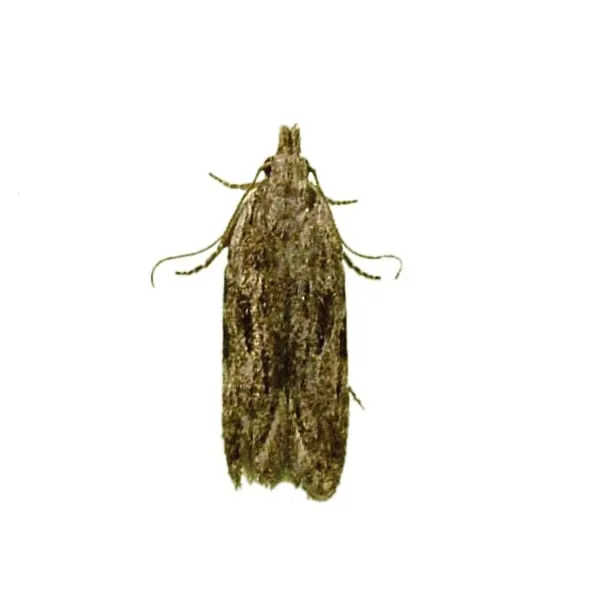
Peach Twig Borer
Anarsia lineatella
About Peach Twig Borer
The Peach Twig Borer (*Anarsia lineatella*), a highly destructive shoot-boring and fruit-chewing caterpillar belonging to the twirler moth family *Gelechiidae* under the order *Lepidoptera*, is a major economic pest of stone fruits, particularly peaches, nectarines, and almonds, globally. This pest is a major threat in commercial orchards. The larvae exhibit a dual feeding habit: the overwintering generation bores into new, succulent shoot tips in early spring, while subsequent summer generations chew into the surface and flesh of ripening fruits, creating direct entry points for rot.
Identifying a peach twig borer infestation involves checking spring shoots and summer fruits. The most diagnostic spring symptom is vegetative shoot tip 'flagging'—the terminal 2 to 4 inches of new green shoots wilt rapidly, turn brown, and die, often displaying a small entry hole plugged with dark frass. Slicing open a flagged shoot reveals the small (10 mm), chocolate-brown caterpillar with distinctive light-colored bands between its body segments. On stone fruits, summer feeding leaves shallow, chewed galleries on the fruit surface near the stem, exuding clear gum.
Peach twig borer is a specialized pest of stone fruits and nuts, presenting an extreme economic hazard to peaches, nectarines, and almonds.
| Affected Stone Fruit & Nut Crops | Severity Rating | Damage Symptoms |
|---|---|---|
| Peaches, Nectarines, Almonds | Extreme (⭐⭐⭐) | Twig tip flagging, stem entry holes, shallow fruit scars, gummy fruit surface |
| Plums, Apricots, Prunes | High (⭐⭐) | Shoot wilting, shallow flesh tunneling, minor early fruit drop, gumming |
| Cherries | Medium (⭐) | Localized shoot dieback, surface fruit grazing, minor yield loss |
Peach twig borers overwinter as tiny, first-instar larvae inside silken chambers called hibernacula, constructed in bark crotches on twigs. In early spring, as buds burst, larvae emerge and bore into shoots, pupating inside bark crevices. Adults emerge as small, grey moths, and females lay eggs on leaves, fruit, or twigs, with 3 to 4 generations overlapping throughout summer. Organic control focuses on applying dormant horticultural oil (2%) combined with spinosad or Bt at delayed dormant phase, pruning out flagged shoots, and using pheromone traps. Chemical sprays rely on pyrethroids or organophosphates. For complete fruit pest guides, browse our Plant Disease Identifier Hub, or explore similar fruit borer profiles like Oriental Fruit Moth, Codling Moth, and Plum Curculio.
Taxonomy & Features
- Dual-Action Feeding: Young spring larvae bore inside fresh green shoots, while older summer generations chew shallow scars on developing fruits.
- Diagnostic Twig Flagging: Feeding tunnels hollow out shoot tips, causing the terminal leaves to wilt, turn brown, and hang downward like flags.
- Bark-Crotch Hibernacula: Immature larvae spend the winter inside tiny silken chambers called hibernacula built in rough bark crotches.
- Banded Chocolate Larvae: caterpillars have a distinctive dark chocolate-brown body with white segment borders, creating a ringed appearance.
- Gummy Surface Scars: Stone fruits exude sticky drops of clear gum near shallow, scarred entry paths chewed near the stem base.
- Dormant Oil Suppression: Applying a 2% dormant mineral oil spray during winter completely suffocates overwintering larvae in their hibernacula.
Seasonal Outbreak Calendar
Outbreak risk and activity timeline for Peach Twig Borer based on seasonal climate patterns:
Names in Different Languages
Affected Plant Species
Vegetables & Crops
- None
Flowers & Ornamentals
- None
Fruits & Berries
- Peach (Highly preferred)
- Nectarine
- Almond (Primary nut host)
- Plum
- Apricot
- Prune
- Cherry
Prevention & Cure
Natural & Organic Methods
- Delayed Dormant Oils: Spray trees thoroughly with 2% horticultural oil combined with Bt or spinosad at the 'delayed dormant' green tip phase.
- Pruning Flagged Twigs: Regularly inspect the canopy in spring; prune off and burn all wilted, flagged twig tips to kill the larvae inside.
- Pheromone Traps: Hang pheromone traps in spring to track adult moth flight and precisely time spray applications.
- Parasitic Wasp Release: Protect natural micro-wasps (like Copidosoma variegatum) that parasitize peach twig borer eggs.
Chemical & Professional Control
- Spring Bt Applications: Apply Bacillus thuringiensis (Bt) twice during the bloom period; it kills young caterpillars feeding on twigs.
- Foliar Pyrethroids: Spray contact insecticides like permethrin or esfenvalerate during active crawler hatches at petal fall.
- Systemic Organophosphates: Spray phosmet at 'shuck split' to protect developing stone fruits from summer boring.
Frequently Asked Questions
What is a 'hibernaculum' in the Peach Twig Borer life cycle?
A hibernaculum is a tiny, protective silk-lined chamber built by the immature first-instar peach twig borer larva. In late autumn, the young caterpillar chews a small cavity in the bark crotches of 1-to-3-year-old twigs and covers it with a mix of silk and bark dust. The larva overwinters safely inside this structure, emerging in early spring as buds burst.
How does Peach Twig Borer damage differ from Oriental Fruit Moth damage?
While both pests cause twig flagging in spring and fruit boring in summer, they can be distinguished by examining the larvae. Peach Twig Borer larvae are chocolate-brown with distinctive white bands between their body segments, and they feed in shallower galleries on the fruit surface. Oriental Fruit Moth larvae are solid pinkish-white with brown heads and bore deeply to feed near the pit.
Why are almonds highly susceptible to this pest?
Almonds are close relatives of stone fruits. In almonds, the first spring generations bore into the vegetative twigs, causing canopy dieback. However, the subsequent summer generations chew directly into the hulls of developing almond nuts. This feeding damages the nut kernel and creates direct entry points for fungal pathogens that produce toxic aflatoxins.
Recommended diagnostics based on crop family and symptoms:
Remedy Disclaimer & Safety Notice
This disease guide is for educational screening purposes only. Pathogen behavior, severity, and host susceptibility can vary dramatically based on seed variety, weather conditions, and regional microclimates. Chemical pesticides and organic treatments are subject to strict regional environmental regulations and registration mandates. Please verify all chemical registrations and review manufacturer safety labels carefully with local certified agronomists or agricultural extension service offices before applying.