
Tikka Disease (Groundnut Leaf)
Cercospora arachidicola
About Tikka Disease (Groundnut Leaf)
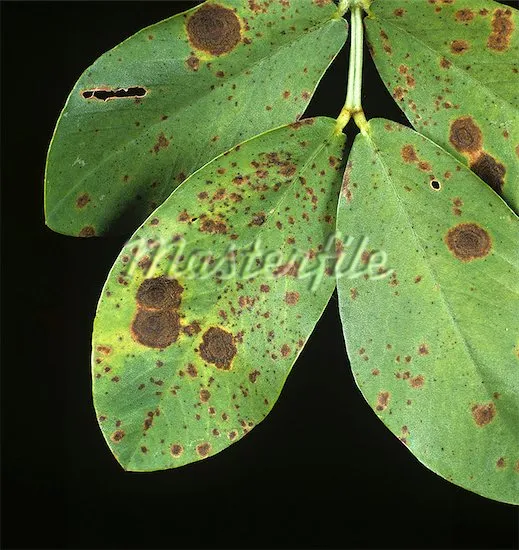
Tikka Disease (Groundnut Leaf Spot), primarily caused by the fungal pathogens *Cercospora arachidicola* (early leaf spot) and *Cercosporidium personatum* (late leaf spot), is the most prominent and economically destructive foliar disease affecting groundnut (peanut) crops worldwide. Belonging to the class *Dothideomycetes* under the phylum *Ascomycota*, this disease triggers severe premature leaf drop, reducing photosynthetic capacity and severely limiting pod development. In high-humidity tropical climates, the pathogen spreads rapidly, causing pod yields to plummet by up to 50% if left untreated.
Identifying Tikka disease involves distinguishing between early and late leaf spot symptoms. Early leaf spot appears on the upper leaf surfaces as circular, dark brown spots (1–10 mm) surrounded by a highly diagnostic, bright yellow chlorotic halo. Late leaf spot manifests as smaller, darker, almost black circular spots that lack the yellow halo and appear intensely on the lower leaf surface, often displaying concentric rings of dusty black spores. As the spots grow and merge, the infected leaves wither, turn dry, and fall off, leaving peanut stems completely stripped.
Tikka disease is highly specialized to groundnuts, but related *Cercospora* species can cause similar leaf spotting symptoms on other legume and bean varieties.
| Affected Crops / Plants | Severity Rating | Damage Symptoms |
|---|---|---|
| Groundnuts (Peanuts) | Extreme (⭐⭐⭐) | Circular leaf spots, severe defoliation, shriveled pods & seeds |
| Cowpeas, Mung Beans | High (⭐⭐) | Brown foliar spotting, premature yellowing, lower pod yields |
| Soybeans, Garden Peas | Medium (⭐) | Minor leaf spot lesions, cosmetic foliage browning |
The fungal pathogens overwinter as spores and mycelium on infected crop residue left in the soil from previous seasons. In the warm, moist conditions of spring and summer (25°C to 30°C with high relative humidity), wind currents and splashing rain disseminate the primary conidia to lower leaves, initiating the infection cycle. Organic management relies on deep summer plowing to bury infected crop residues, rotating groundnuts with non-leguminous crops like sunflower or pearl millet, and dusting foliage with wood ash or baking soda sprays. Chemical control is achieved by seed treatments with carbendazim and foliar sprays of mancozeb or copper oxychloride at the first sign of spotting. For more agricultural support, check our Plant Disease Identifier Hub, or explore similar fungal profiles like Early Blight, Late Blight, and Rust Disease.
Taxonomy & Features
- Double Pathogen Threat: Caused by two distinct fungi—Cercospora arachidicola (early leaf spot) and Cercosporidium personatum (late leaf spot)—which often attack simultaneously.
- Chlorotic Yellow Halos: Early leaf spots possess a characteristic bright yellow ring around a dark brown center, serving as a primary visual marker.
- Aggressive Defoliation: Severe spotting triggers premature leaf drop, reducing photosynthesis and leaving pods small, shriveled, and low in oil content.
- Soil-Borne Overwintering: The pathogens survive on infected peanut shells and leaves in the soil, ready to reinfect young emerging plants.
- High-Humidity Spore Release: Spores are released in massive quantities during humid summer mornings, carried by wind and splashing irrigation water.
- Sanitation & Rotation: Burying crop residue with deep tillage and practicing a 3-year crop rotation breaks the fungus cycle naturally.
Seasonal Outbreak Calendar
Outbreak risk and activity timeline for Tikka Disease (Groundnut Leaf) based on seasonal climate patterns:
Names in Different Languages
Affected Plant Species
Vegetables & Crops
- Peanut (Groundnut)
- Cowpea (Lobia)
- Mung Bean (Green Gram)
- Urad Bean (Black Gram)
- Soybean
Flowers & Ornamentals
- None (Pathogen is highly host-specific to legumes)
Fruits & Berries
- None
Prevention & Cure
Natural & Organic Methods
- Crop Rotation: Practice a 3-year rotation with non-host crops like maize, sorghum, pearl millet, or sunflower.
- Sanitation: Remove and burn all infected crop residues after harvest, or deeply bury them using mouldboard plows.
- Ash Dusting: Dust foliage with wood ash or spray with a dilute baking soda solution to create an alkaline leaf barrier.
- Resistant Cultivars: Plant certified Tikka-resistant groundnut varieties like Girnar 3 or ICGV 86590.
Chemical & Professional Control
- Seed Treatment: Treat groundnut seeds with Carbendazim (2g/kg seed) or Thiram before sowing to prevent early spore germination.
- Foliar Fungicides: Spray Mancozeb (0.2%) or Copper Oxychloride (0.3%) at the first sign of leaf spotting.
- Systemic Sprays: Apply Triazole fungicides like Hexaconazole or Tebuconazole for highly effective curative action during severe outbreaks.
Frequently Asked Questions
What is the difference between Early and Late leaf spot in groundnut?
Early leaf spot (Cercospora arachidicola) appears 3-4 weeks after sowing, producing brown circular spots surrounded by a bright yellow halo on upper leaf surfaces. Late leaf spot (Cercosporidium personatum) appears later, forming smaller, black spots without a yellow halo, primarily on the lower leaf surface, displaying dusty spore pads.
Does Tikka disease affect the peanut pods in the soil directly?
No. The Tikka fungi do not directly infect or rot the underground peanut pods. Instead, they attack the above-ground leaves and stems. By causing massive defoliation, they rob the plant of its ability to photosynthesize, resulting in fewer pods, shriveled kernels, and severely reduced oil yields.
How does weather influence Tikka disease outbreaks?
Tikka disease thrives in warm, highly humid climates with temperatures between 25°C and 30°C. Prolonged leaf wetness caused by heavy morning dews, splashing rains, or overhead sprinkler irrigation accelerates spore release and infection, leading to rapid disease spread.
Recommended diagnostics based on crop family and symptoms:
Remedy Disclaimer & Safety Notice
This disease guide is for educational screening purposes only. Pathogen behavior, severity, and host susceptibility can vary dramatically based on seed variety, weather conditions, and regional microclimates. Chemical pesticides and organic treatments are subject to strict regional environmental regulations and registration mandates. Please verify all chemical registrations and review manufacturer safety labels carefully with local certified agronomists or agricultural extension service offices before applying.