
Lace Bug
Corythucha spp.
About Lace Bug
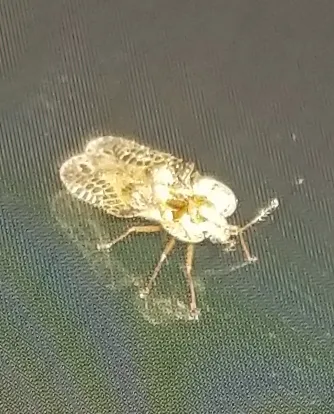
Lace Bugs (*family Tingidae*), comprising numerous specialized sucking insect species within the genus *Corythucha*, are widespread foliar pests that target a variety of deciduous trees and ornamental shrubs. Classed under the order *Hemiptera*, these pests are named for the highly intricate, lace-like sculpted patterns on the hardened wings and thorax of mature adults. Both adults and wingless nymphs feed in dense colonies primarily on the undersides of leaves, utilizing needle-like piercing-sucking mouthparts to drain plant cell sap. This feeding behavior strips foliage of chlorophyll, leading to severe yellow stippling and aesthetic decline.
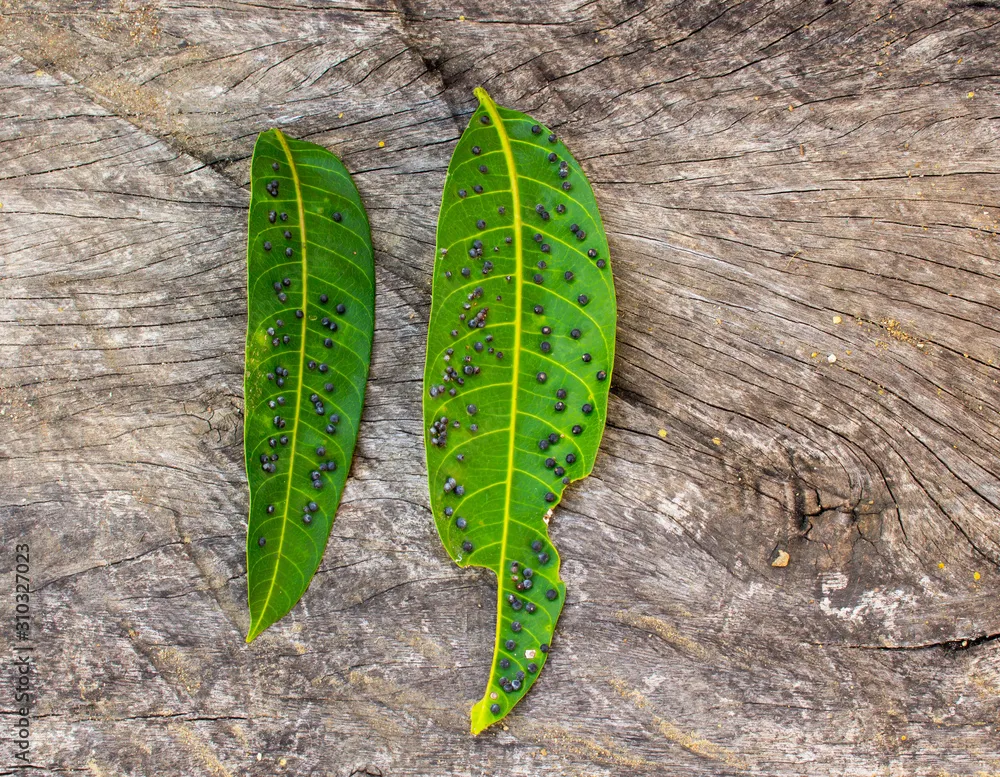
Identifying a lace bug infestation involves looking closely at both sides of leaves. The upper leaf surface displays a highly diagnostic yellow-to-whitish stippling, chlorosis, or bleaching pattern that resembles spider mite injury. However, the underside of the leaf reveals the key diagnostic signs: the small (2–4 mm), flat, rectangular, lace-winged adults and their spiny dark nymphs. Additionally, the lower leaf surface is heavily peppered with sticky, shiny, dark brown or black varnished spots of liquid excrement, often referred to as 'tarry waste' or 'frass,' alongside empty, clear nymphal skins.
Lace bugs attack various ornamental shrubs and deciduous trees, with species-specific preferences for azaleas, rhododendrons, sycamores, and oaks.
| Affected Crops / Trees | Severity Rating | Damage Symptoms |
|---|---|---|
| Azalea, Rhododendron | Extreme (⭐⭐⭐) | Heavy stippling, leaf bleaching, premature defoliation, tarry spots |
| Sycamore, Oak, Elm | High (⭐⭐) | Foliar bronzing, early leaf drop in late summer, black fecal spotting |
| Avocado, Eggplant, Sunflowers | Medium (⭐) | Minor leaf stippling, localized cosmetic foliage browning |
Lace bugs overwinter as mature adults in bark crevices, leaf litter, or as eggs inserted along leaf veins. In warm spring weather, females lay tiny, flask-shaped black eggs glued to the lower leaf surface and covered in dark excrement. Nymphs hatch in 10 to 14 days, maturing through five growth stages in 3 weeks, leading to multiple overlapping generations throughout summer, particularly in dry, sunny, and warm microclimates. Organic management focuses on spraying a forceful stream of water to dislodge nymphs, applying foliar sprays of neem oil or insecticidal soaps, and maintaining plant vigor. Biological control is supported by green lacewings and predatory assassin bugs. Chemical control is achieved with systemic neonicotinoids like imidacloprid for ornamentals. For complete pest guides, browse our Plant Disease Identifier Hub, or explore similar sucking pest profiles like Thrips, Aphids, and Spider Mites.
Taxonomy & Features
- Sculpted Lace Wings: Flat, rectangular adults possess highly intricate, transparent, lace-like patterns on wings and thorax, serving as a primary visual marker.
- Lower-Surface Colonization: Cluster exclusively on the lower leaf surface, making thorough spraying of leaf undersides critical for control.
- Chlorotic Stippling: Upper leaf surface develops extensive white-to-yellow stippling, which can merge and bleach the entire leaf white.
- Tarry Excrement Spots: Leaves are heavily peppered underneath with sticky, shiny, black-to-dark brown varnished spots of liquid fecal waste.
- Dry/Sunny Vulnerability: Thrives in hot, dry weather; plants growing in full sun or next to hot paved driveways experience the most extreme infestations.
- Systemic Soil Treatment: Soil drenches of systemic neonicotinoids (imidacloprid) provide highly effective 1-year control on non-edible shrubs.
Seasonal Outbreak Calendar
Outbreak risk and activity timeline for Lace Bug based on seasonal climate patterns:
Names in Different Languages
Affected Plant Species
Vegetables & Crops
- Eggplant
Flowers & Ornamentals
- Azaleas
- Rhododendrons
- Sunflowers
- Aster
Fruits & Berries
- Avocado
Prevention & Cure
Natural & Organic Methods
- Water Jet Blast: Blast leaf undersides with a strong stream of water from a garden hose to physically dislodge and kill nymphs.
- Insecticidal Soap: Spray leaf undersides thoroughly with a 1-2% concentration of insecticidal soap or potassium salts of fatty acids.
- Horticultural/Neem Oils: Apply a 1% concentration of cold-pressed neem oil to suffocate nymphs and eggs on lower leaf surfaces.
- Shade Planting: Plant susceptible shrubs like azaleas in partial shade; shade-grown plants exhibit lower lace bug densities.
Chemical & Professional Control
- Systemic Soil Drench: Apply a soil drench of Imidacloprid or Dinotefuran around the base of ornamental shrubs in early spring for season-long root intake.
- Foliar Bifenthrin Sprays: Spray contact pyrethroids like bifenthrin, permethrin, or cyfluthrin on leaf undersides during early spring nymph hatches.
- Acephate Treatments: Apply systemic foliar sprays of acephate to rapidly suppress heavy summer feeding outbreaks.
Frequently Asked Questions
How do I distinguish Lace Bug damage from Spider Mite stippling?
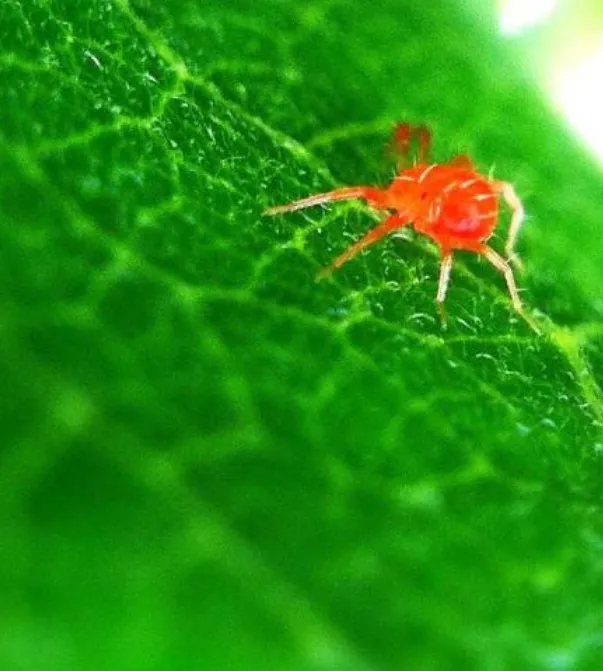
While both pests cause yellow stippling on upper leaf surfaces, lace bugs are easily identified by flipping the leaf over. The underside of a lace-bug infested leaf will display black, sticky, varnished-looking tarry spots of excrement, empty white nymphal skins, and flat, lace-winged insects. Mite infestations will instead display fine webbing, dusty debris, and tiny crawling mites.
Can Lace Bugs kill my mature sycamore or oak tree?
Rarely. While severe lace bug infestations in late summer can cause a mature oak or sycamore tree to look heavily bronzed or lose its leaves early (premature defoliation), healthy trees tolerate this cosmetic damage easily and will leaf out normally the following spring. However, young nursery saplings and heavily shaded shrubs can be weakened.
Why are azaleas in full sun more susceptible to lace bugs?
Lace bugs thrive and multiply much faster in hot, dry, and bright sunny conditions. Furthermore, azaleas growing in full sun experience higher drought stress, which weakens their natural chemical defenses. Shifting azaleas to partial shade or keeping them well-watered dramatically reduces lace bug survival and damage.
Recommended diagnostics based on crop family and symptoms:
Remedy Disclaimer & Safety Notice
This disease guide is for educational screening purposes only. Pathogen behavior, severity, and host susceptibility can vary dramatically based on seed variety, weather conditions, and regional microclimates. Chemical pesticides and organic treatments are subject to strict regional environmental regulations and registration mandates. Please verify all chemical registrations and review manufacturer safety labels carefully with local certified agronomists or agricultural extension service offices before applying.