
Leaf Miner
Liriomyza spp. (Agromyzidae)
About Leaf Miner
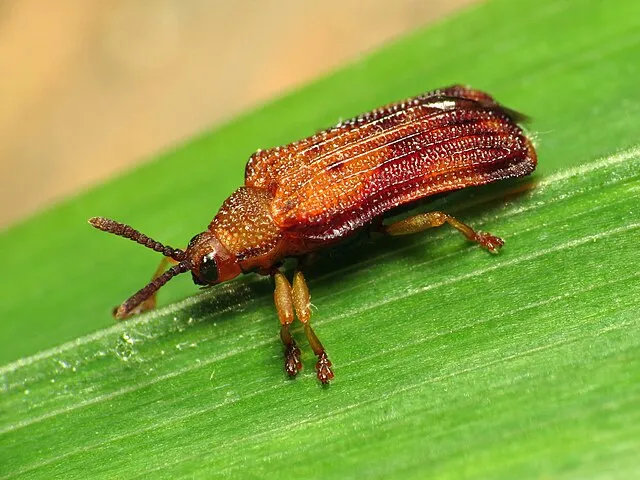
Leaf miners are not a single species, but the larval stage of various insect groups, most commonly tiny flies belonging to the family Agromyzidae (such as *Liriomyza spp.*), as well as certain moths and beetles. The adult females feed on sap by puncturing leaves, but the major damage is caused by the larvae. These tiny, legless maggots hatch directly inside the leaf tissue and feed on the nutrient-rich mesophyll layer between the upper and lower epidermis. By consuming the photosynthetic tissue while leaving the outer leaf membrane intact, they create visible, serpentine tunnels that compromise the plant's food-producing capacity, stunt growth, and cause leaves to dry up and drop.
Identifying leaf miner damage is simple and unmistakable due to the unique markings left on the plant. The most striking symptom is the appearance of winding, serpentine white-to-light-yellow trails or 'mines' meandering across the leaf surface. As the larva grows, the trail becomes wider and may contain a thin, dark line of fecal pellets (frass) running down its center. Under heavy feeding stress, these mines merge into large, dry brown papery patches (blotches), causing the entire leaf to curl, dry, and drop. Adult activity is marked by tiny white speckles or 'stipples' on leaves where female flies punctured the tissue to feed or lay eggs.
Leaf miners are highly prolific in warm climates (20°C to 30°C), with greenhouse populations reproducing year-round. Female flies insert eggs directly into leaves, and the larvae emerge to mine inside the leaf for 1 to 2 weeks before cutting a slit in the epidermis and dropping to the soil to pupate.
| Affected Crops / Plants | Severity Rating | Tunnel & Leaf Symptoms |
|---|---|---|
| Tomatoes, Peppers, Eggplants | Extreme (⭐⭐⭐) | Dense serpentine mines, early defoliation, sunscalded fruit |
| Leafy Greens (Spinach, Chard) | Extreme (⭐⭐⭐) | Total leaf ruin, crop is completely unmarketable |
| Chrysanthemums, Gerberas | High (⭐⭐) | Ruined floral aesthetics, reduced vigor, stunted blooms |
Managing leaf miners requires targeting the larvae inside the leaf and the adults. Deploying yellow sticky cards just above the plant canopy captures flying adults and monitors migration. For organic treatment, apply foliar sprays of Spinosad, which penetrates the leaf tissue to kill feeding larvae, or neem oil, which deters egg-laying. Releasing beneficial parasitic wasps (*Diglyphus isaea*) provides highly effective biological control by hunting larvae inside the mines. Chemical options include abamectin or cyromazine, which specifically targets dipterous leafminer larvae. For complete pest guides, browse our Plant Disease Identifier Hub, or read related articles on Thrips, Aphids, and Spider Mites, and our complete Garden Pest Classification Guide.
Taxonomy & Features
- Serpentine White Trails: Larvae feed inside leaves, leaving highly visible, winding white-to-yellow serpentine trails.
- Mesophyll Feeding Habit: Larvae specifically target the cell-rich mesophyll layer, leaving outer leaf membranes intact as a shield.
- Stippled Egg Marks: Adult females use sharp ovipositors to puncture leaves, leaving tiny white stipple marks to suck sap.
- Protected Mine Life: Larvae live entirely inside leaf tunnels, making them immune to non-translaminar contact chemical sprays.
- Diglyphus Parasitism: Microscopic Diglyphus isaea wasps act as highly efficient biological controls, stinging and destroying miner larvae.
- Soil-Surface Pupation: Mature larvae chew through the leaf skin and drop to the soil below to complete pupation.
Seasonal Outbreak Calendar
Outbreak risk and activity timeline for Leaf Miner based on seasonal climate patterns:
Names in Different Languages
Affected Plant Species
Vegetables & Crops
- Tomato
- Spinach (Highly susceptible)
- Chard
- Lettuce
- Pepper
- Eggplant
Flowers & Ornamentals
- Chrysanthemums
- Gerberas
- Marigolds
- Dahlias
- Petunias
- Verbena
Fruits & Berries
- Melon
- Watermelon
- Citrus (Lemon, Orange - by Citrus Leafminer)
Prevention & Cure
Natural & Organic Methods
- Yellow Sticky Cards: Deploy yellow sticky cards just above the leaf canopy to capture egg-laying adult females.
- Translaminar Spinosad: Spray organic Spinosad, which is absorbed into leaf layers to reach and eliminate mining larvae.
- Parasitic Wasps: Release Diglyphus isaea parasitic wasps to hunt and destroy leafminer larvae inside tunnels.
- Handpicking Leaves: In home gardens, pinch and remove leaves showing early narrow serpentine trails.
Chemical & Professional Control
- Abamectin: Apply systemic abamectin sprays during vegetative growth to control deep larval infestations.
- Cyromazine: Apply cyromazine, which specifically targets dipterous leafminer larvae and disrupts shedding.
- Permethrin: Use as a protective foliar contact spray to deter adults from feeding and laying eggs.
Frequently Asked Questions
Can leaf miners survive winter in my soil?
Yes. Leaf miners spend their pupal stage in the top 2 inches of soil or leaf litter beneath host plants. In cold climates, they overwinter as pupae and emerge as adult flying flies in early spring, making crop rotation and clean soil tillage vital.
Is Spinosad effective against leaf miners?
Yes, Spinosad is highly effective because it has translaminar properties. This means when sprayed on the leaf surface, it is absorbed into the leaf tissue where the larvae are feeding, killing them while leaving beneficial surface predators unharmed.
Are vegetables harvested from plants with leaf miner trails safe to eat?
Yes, the leaf miner larvae only feed on the leaf tissue and are completely harmless to humans. However, for leafy greens like spinach, chard, or lettuce, the visual trails make the crop unmarketable and unappealing to eat.
Recommended diagnostics based on crop family and symptoms:
Remedy Disclaimer & Safety Notice
This disease guide is for educational screening purposes only. Pathogen behavior, severity, and host susceptibility can vary dramatically based on seed variety, weather conditions, and regional microclimates. Chemical pesticides and organic treatments are subject to strict regional environmental regulations and registration mandates. Please verify all chemical registrations and review manufacturer safety labels carefully with local certified agronomists or agricultural extension service offices before applying.