
Bacterial Speck
Pseudomonas syringae pv. tomato
About Bacterial Speck
Bacterial Speck is a highly specialized and damaging bacterial plant disease caused by the gram-negative phytopathogen *Pseudomonas syringae pv. tomato*. This disease primarily targets tomato crops (*Solanum lycopersicum*), posing a serious threat to both open-field crops and commercial greenhouse operations. Unlike many bacterial diseases that thrive in hot climates, bacterial speck is a cool-season disease, finding its sweet spot in wet, chilly weather. The bacterial cells reside on seed coats, volunteer weed hosts, and leaf surfaces, remaining dormant until weather conditions trigger a systemic cellular invasion through natural leaf pores (stomata) and mechanical wounds, disrupting plant cell structure.
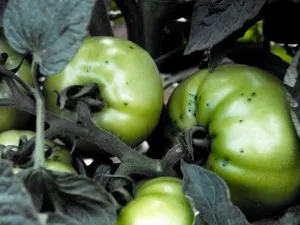
Identifying Bacterial Speck early is crucial, as its symptoms can be easily confused with other foliar diseases. Leaves show tiny, circular, dark brown-to-black pinpoint spots (less than 2 mm) surrounded by a narrow, translucent yellow halo. As the infection progresses, these specks congregate near the leaf margins, causing the leaf edges to dry out and turn brown (marginal necrosis). On the fruit, symptoms are highly characteristic: tiny, slightly raised black specks (less than 1/16 inch) appear on the skin. These fruit specks are superficial and do not penetrate deep into the flesh, but they make the tomatoes unsightly and unmarketable.
The lifecycle of *Pseudomonas syringae* is heavily optimized for cool, moist spring climates (13°C to 24°C) with high relative humidity and free leaf water from heavy dew or rain. The bacteria spread rapidly through splashing rain, overhead sprinkler irrigation, and handling plants when foliage is wet.
| Target Tomato Variety | Severity Rating | Foliage & Fruit Speck Symptoms |
|---|---|---|
| Fresh Market Slicers (Beefsteak) | Extreme (⭐⭐⭐) | Pinpoint black specks on skin, ruined visual quality, leaf drop |
| Processing Tomatoes (Roma) | High (⭐⭐) | Defoliation, reduced canopy shade, increased fruit sunscald |
| Cherry & Grape Tomatoes | Medium (⭐) | Scattered leaf spots, rare superficial fruit specks |
Managing Bacterial Speck requires clean seed stocks and moisture control. Avoid overhead irrigation and only handle tomato plants when leaves are completely dry to prevent spread. For organic control, apply copper-based bactericides early in the spring, or spray with *Bacillus subtilis* to suppress bacterial colonization. Utilizing clean, certified disease-free seeds is critical. Chemical options include applying streptomycin or tank-mixing copper with mancozeb to overcome copper-resistant strains. For complete tomato health guides, browse our Plant Disease Identifier Hub, or explore related threat profiles like Bacterial Spot, Early Blight, and Late Blight.
If your tomatoes are showing signs of disease in the cool, wet spring, you are likely dealing with Bacterial Speck rather than Bacterial Spot or Bacterial Canker. Bacterial Speck is caused by the bacterium *Pseudomonas syringae pv. tomato* which thrives in temperatures below 24°C (75°F). In contrast, Bacterial Spot is a hot-weather disease caused by *Xanthomonas* species. While both diseases cause dark leaf spots, Bacterial Speck can be identified by its tiny, flat, sandpaper-like pinpoint black specks (<2 mm) on the fruit skin, whereas Bacterial Spot produces larger, blister-like raised scabs. Review the side-by-side comparison below to distinguish Bacterial Speck from Bacterial Spot:
| Feature / Trait | Bacterial Speck (Pseudomonas) | Bacterial Spot (Xanthomonas) |
|---|---|---|
| Primary Pathogen | Pseudomonas syringae pv. tomato | Xanthomonas euvesicatoria (and related spp.) |
| Optimal Temperature | Cool & Wet: 13°C to 24°C (55°F to 75°F) | Hot & Humid: 24°C to 35°C (75°F to 95°F) |
| Foliar Leaf Lesions | Tiny circular pinpoint spots surrounded by a bright, translucent neon-yellow halo. | Small water-soaked circular spots that quickly turn dark brown, greasy, and angular. |
| Fruit Scabbing | Pinpoint black speckles (<2 mm) on the skin, flat or slightly raised (sandpaper-like). | Raised brown scab-like blisters (up to 6 mm) that become sunken with cracked borders. |
| Crop Host Range | Highly host-specific to tomatoes; sweet and hot peppers are rarely affected. | Both tomato and pepper plants are highly susceptible to severe defoliation. |
Taxonomy & Features
- Pinpoint Black Spots: Leaves develop tiny, 1 mm black specks surrounded by narrow, translucent neon-yellow halos.
- Marginal Leaf Necrosis: Lesions concentrate heavily along leaf margins, causing edges to dry, turn brown, and die.
- Raised Fruit Specks: Developing tomatoes develop superficial, raised black speckles that look like sand grains.
- Cool Season Affinity: Thrives in cool (13-24°C), wet weather, striking early tomato plants during spring rains.
- Splashing Water Vector: Rapidly carried through crop fields via wind-blown splashing rain and overhead sprinkler drops.
- Certified Seed Protection: Eradicated effectively from orchards by planting strictly certified, disease-free starter seeds.
Seasonal Outbreak Calendar
Outbreak risk and activity timeline for Bacterial Speck based on seasonal climate patterns:
Names in Different Languages
Affected Plant Species
Vegetables & Crops
- Tomato (Primary host)
- Eggplant (Occasional)
- Pepper (Occasional)
Flowers & Ornamentals
- None documented (Pathogen is strictly host-specific to tomatoes and highly related wild Solanaceous weed hosts)
Fruits & Berries
- None documented
Prevention & Cure
Natural & Organic Methods
- Certified Seeds: Always sow certified disease-free seed to prevent introduction of Pseudomonas.
- Drip Irrigation: Use drip tape instead of overhead sprinklers to keep tomato leaves dry.
- Sanitize Tools: Disinfect pruning shears in 70% isopropyl alcohol between plants.
- Debris Clean Up: Rake and burn all crop residues after harvest to prevent overwintering in soil.
Chemical & Professional Control
- Copper Hydroxide: Apply preventive copper sprays when cool, wet weather is forecast.
- Mancozeb Mix: Mix copper with mancozeb to overcome copper-resistant strains of Pseudomonas.
- Streptomycin: Apply as a protective antibiotic seed treatment to destroy bacterial cells on seed coats.
Frequently Asked Questions
What is the difference between Bacterial Speck and Bacterial Spot?
Bacterial Speck is caused by Pseudomonas and thrives in cool, wet weather (13-24°C), producing tiny pinpoint black specks on fruit. Bacterial Spot is caused by Xanthomonas, thrives in hot, wet weather (24-35°C), and produces larger, raised scab-like lesions.
Can I eat tomatoes that have bacterial speck on them?
Yes. The Pseudomonas bacteria are completely harmless to humans and do not affect the flesh inside. However, you should peel or cut away the superficial black specks to improve the texture and taste of the fruit.
Why did my copper spray fail to stop bacterial speck?
Pseudomonas syringae has developed widespread resistance to copper in many agricultural zones. To achieve control, you must tank-mix your copper fungicide with a protective carbamate fungicide like mancozeb, which reacts with copper to form a more potent bacterial toxin.
Recommended diagnostics based on crop family and symptoms:
Remedy Disclaimer & Safety Notice
This disease guide is for educational screening purposes only. Pathogen behavior, severity, and host susceptibility can vary dramatically based on seed variety, weather conditions, and regional microclimates. Chemical pesticides and organic treatments are subject to strict regional environmental regulations and registration mandates. Please verify all chemical registrations and review manufacturer safety labels carefully with local certified agronomists or agricultural extension service offices before applying.