
Loose Smut
Ustilago tritici
About Loose Smut
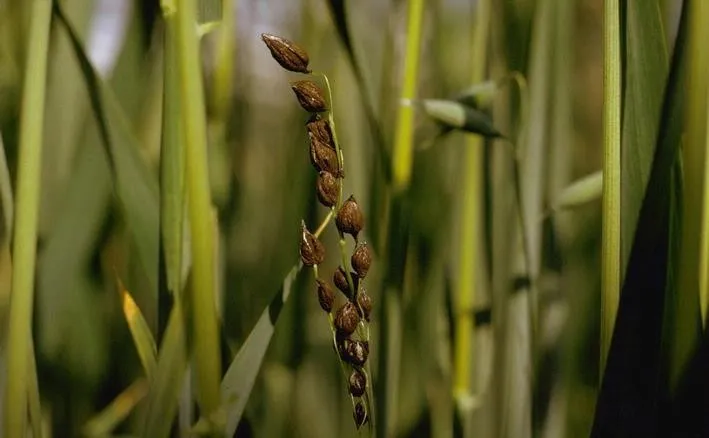
Loose smut is a serious seed-borne fungal disease caused primarily by Ustilago tritici in wheat and Ustilago nuda in barley. Unlike many other plant diseases that affect leaves or stems, loose smut is a systemic infection that remains dormant inside the seed embryo. The disease is deceptively invisible until the plant begins to head out, at which point the developing grain kernels are replaced by a characteristic mass of olive-black fungal spores (teliospores).
The infection process begins when spores from a diseased head are carried by wind to the healthy flowers of neighboring plants during the previous growing season. The spores germinate on the stigma and grow into the developing seed, where the fungus enters a state of dormancy. When this infected seed is planted, the fungus wakes up and grows internally along with the plant's growing point, eventually invading the young head before it emerges from the boot.
As the infected head emerges, the black spore mass is initially covered by a thin, silvery membrane which quickly ruptures, releasing millions of wind-borne spores.
| Crop/Plant Type | Severity Rating | Impact Description |
|---|---|---|
| Wheat & Barley | Extreme (⭐⭐⭐) | Complete conversion of kernels into black powdery teliospore masses, resulting in total yield loss per head |
| Triticale & Rye | High (⭐⭐) | Systemic head infection, smutted spikes, and complete grain loss on affected tillers |
| Wild Grasses (Poaceae) | Medium (⭐) | Incidental floral infections and spore dispersal; acts as wild inoculum source |
Managing loose smut is critical because it directly reduces yield—every infected head represents a total loss of grain for that plant. Since the fungus is located deep within the seed embryo, surface seed treatments are ineffective. Control strategies must focus on systemic fungicides that can penetrate the seed or physical treatments like hot water soaking that can kill the internal fungus without damaging the seed's viability. For a detailed lookup of crop hazards, check the Plant Disease Identifier Hub, or see related profiles like Yellow Rust, Fusarium Head Blight, and Ergot.
Taxonomy & Features
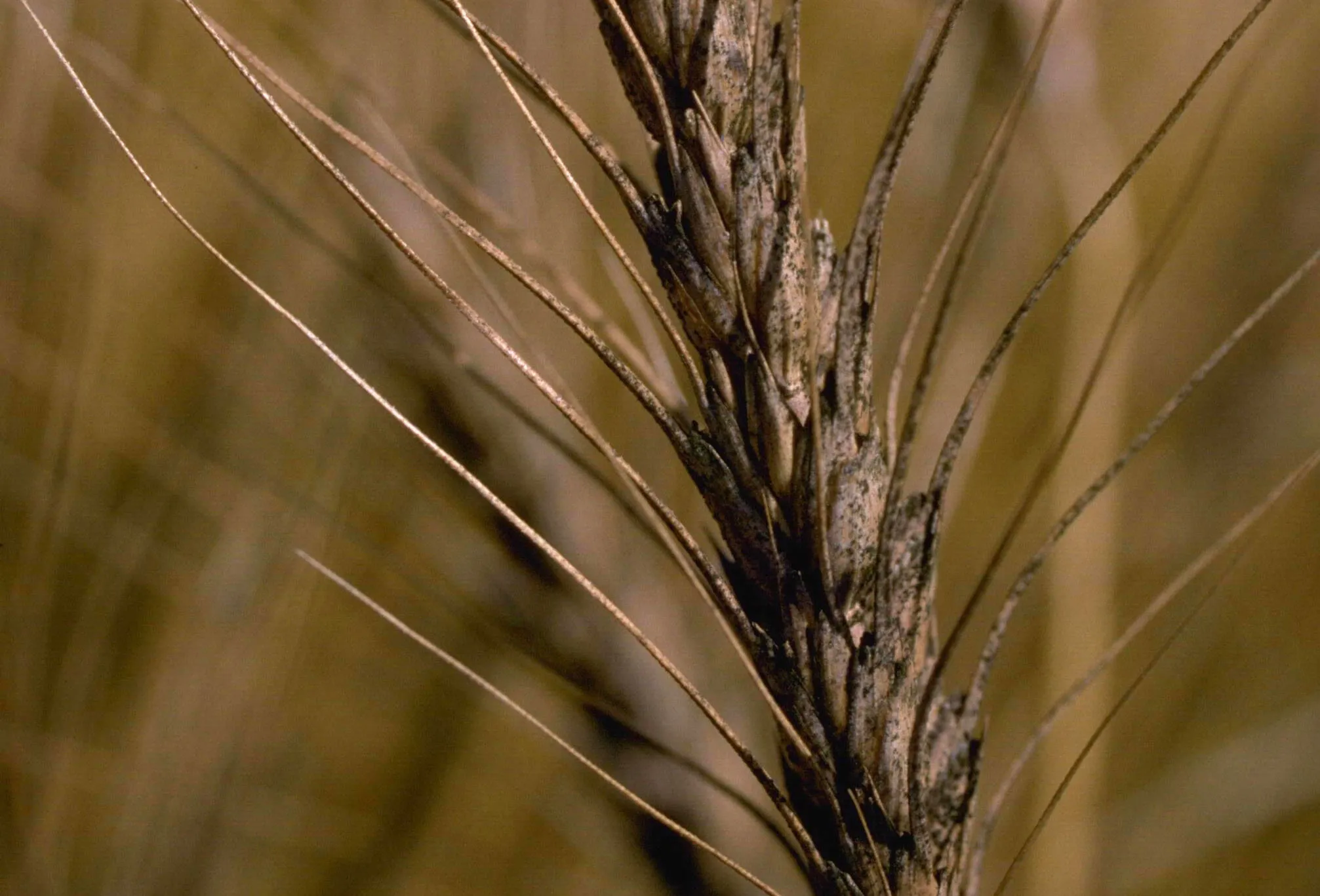
- Black Spore Mass: Grain kernels are completely replaced by a powdery, olive-black mass of teliospores.
- Silvery Membrane: Emerging heads are initially covered by a delicate membrane that quickly ruptures and disappears.
- Bare Rachis: After spores are dispersed by wind, only the naked central stalk of the head remains.
- Early Heading: Infected plants often emerge and head out slightly earlier than healthy plants in the same field.
- Stunted Growth: While systemic, the infection can cause subtle stunting of the plant height compared to healthy neighbors.
- Floral Infection: The disease spreads by infecting the open flowers of healthy plants, which then produce infected seeds for the next year.
Seasonal Outbreak Calendar
Outbreak risk and activity timeline for Loose Smut based on seasonal climate patterns:
Names in Different Languages
Affected Plant Species
Vegetables & Crops
- Wheat (Triticum aestivum)
- Barley (Hordeum vulgare)
- Triticale
- Rye (rarely)
Flowers & Ornamentals
- Wild Poaceae (incidental)
- Some ornamental grasses
Fruits & Berries
- None (Specific to small grains)
Prevention & Cure
Natural & Organic Methods
- Hot Water Treatment: Soak seeds in hot water (54°C or 129°F) for 10-15 minutes; this is the most effective organic way to kill internal fungal mycelium.
- Solar Energy Treatment: Soak seeds in water for 4 hours, then spread in the intense summer sun for 4-6 hours to thermally neutralize the internal fungus.
- Neem Oil Spray: Apply a 1-2% Neem oil solution to the heads during flowering. While it cannot cure the internal infection, its antifungal properties help reduce the viability of wind-borne spores landing on healthy flowers.
- Soap Solution & Water Spray: Use a mild soap solution (5ml/liter) or forceful water spray to wash off external spores from healthy heads during the flowering stage to minimize cross-contamination.
- Certified Seed: Use only certified disease-free seeds; rogueing (manual removal) of infected black heads before they release spores is also essential.
Chemical & Professional Control
- Systemic Seed Dressings: Apply systemic fungicides like Carboxin (Vitavax) or Carbendazim before sowing.
- Triazole Treatments: Modern seed treatments using Tebuconazole or Triticonazole are highly effective against internal smut.
- Embryo Test: Conduct laboratory embryo tests on seed lots to quantify the percentage of infection before large-scale planting.
Frequently Asked Questions
Can I tell if a seed is infected with loose smut just by looking at it?
No. The fungus lives inside the seed embryo and does not affect the seed's outward appearance, weight, or germination rate.
Is it safe to feed grain from a field with loose smut to livestock?
Yes, the spores are not known to be toxic to animals. However, the dust can be an irritant, and the overall nutritional value of the batch is lower due to grain loss.
Does loose smut spread through the soil?
No. Unlike some other smut diseases, loose smut is strictly seed-borne and wind-borne. It does not survive in the soil from one season to the next.
Recommended diagnostics based on crop family and symptoms:
Remedy Disclaimer & Safety Notice
This disease guide is for educational screening purposes only. Pathogen behavior, severity, and host susceptibility can vary dramatically based on seed variety, weather conditions, and regional microclimates. Chemical pesticides and organic treatments are subject to strict regional environmental regulations and registration mandates. Please verify all chemical registrations and review manufacturer safety labels carefully with local certified agronomists or agricultural extension service offices before applying.