
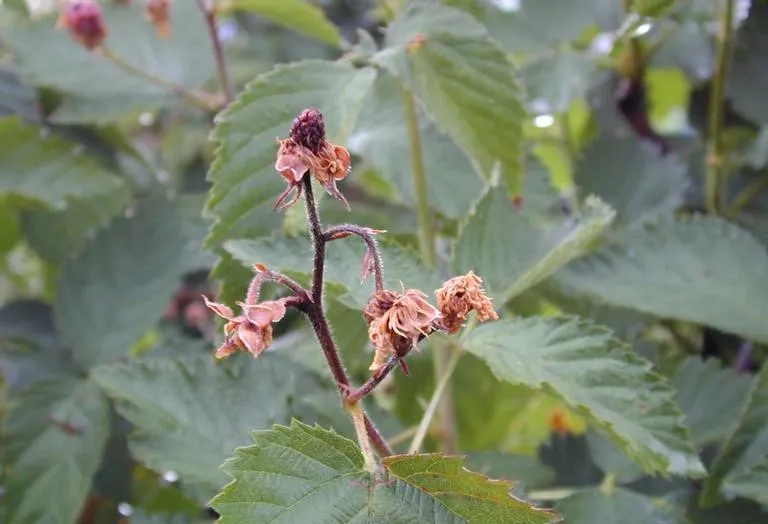
Fire Blight
Erwinia amylovora
About Fire Blight
Fire Blight, caused by the highly contagious Gram-negative bacterium *Erwinia amylovora*, is a destructive, potentially lethal systemic disease that targets pome fruits, particularly apples, pears, quinces, and other members of the rose family (*Rosaceae*). Belonging to the class *Gammaproteobacteria* under the phylum *Proteobacteria*, this pathogen targets the vascular tissues of shoots, blooms, leaves, and fruits. The disease spreads rapidly during warm, wet spring weather, moving systemically through the plant and causing infected branches to dry, blacken, and shrivel as if scorched by fire.
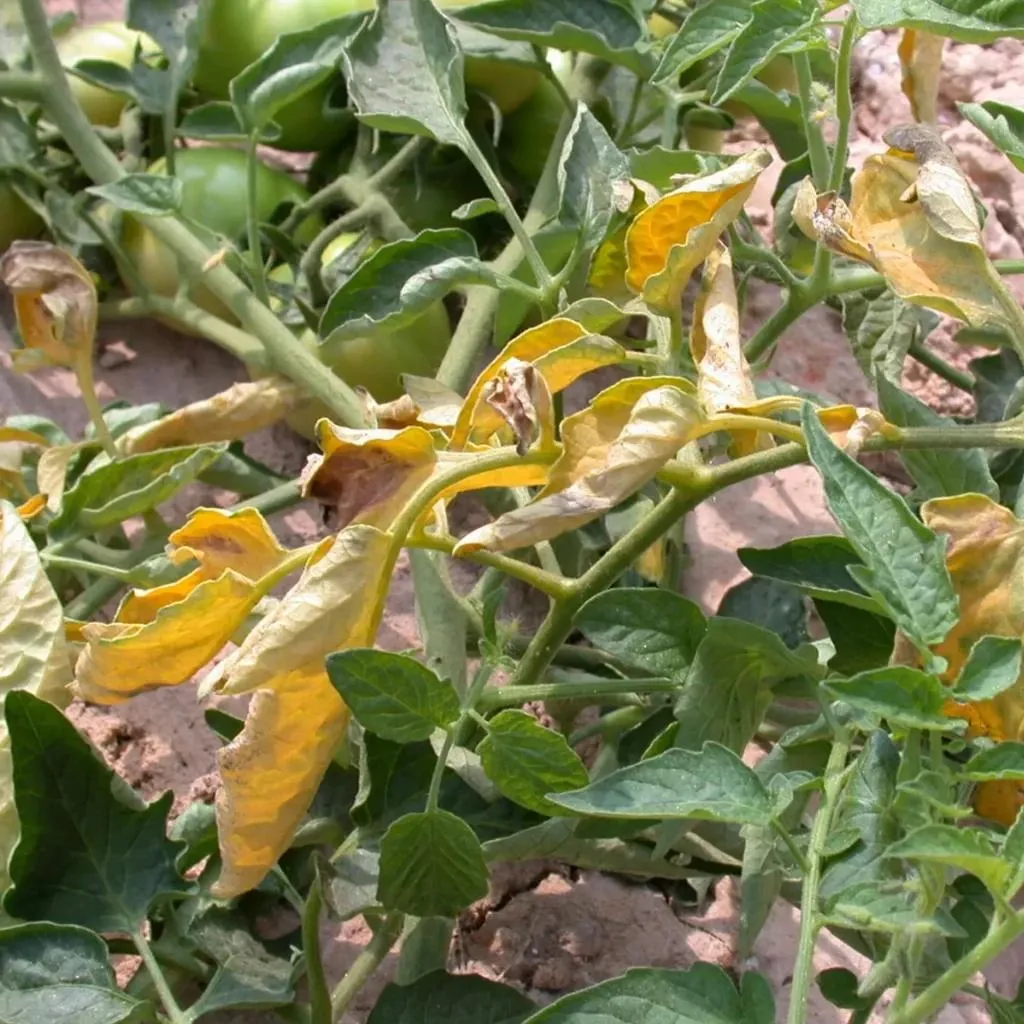
Identifying fire blight involves checking blossoms, shoots, and branches for key diagnostic symptoms. Blossoms turn brown-to-black and wilt rapidly. The most iconic above-ground visual symptom is the 'shepherd's crook'—new succulent shoot tips rapidly wilt, turn black, and bend sharply downward into a hook shape. Leaves turn deep brown (on apples) or jet black (on pears), shriveling but remaining firmly attached to the dead twig for months. During warm, humid spring mornings, drops of sticky, amber-colored bacterial ooze can be seen weeping from active branch cankers.
Fire blight is highly specialized to members of the *Rosaceae* family, presenting an extreme hazard to pear and apple orchards, as well as ornamental shrubs.
| Affected Pome / Rose Species | Severity Rating | Damage Symptoms |
|---|---|---|
| Pears (European & Asian Pears) | Extreme (⭐⭐⭐) | Jet-black leaves, rapid twig blighting, shepherd's crook shoots, tree death |
| Apples, Quinces, Crabapples | Extreme (⭐⭐⭐) | Brown scorched branches, blossom blight, oozing stem cankers, fruit shrivel |
| Cotoneaster, Pyracantha, Hawthorn | High (⭐⭐) | Shoot wilting, minor foliar canopy browning, localized cankers |
The bacteria overwinter in margins of bark cankers on twigs and trunks from previous seasons. In spring, as temperatures rise above 18°C, the cankers actively exude sweet, sticky bacterial ooze. Insects (such as bees and flies) are attracted to this ooze, carrying the bacteria directly to fresh blossoms during pollination. Wind-blown rain also spreads the bacteria into fresh pruning cuts and storm wounds. Organic management focuses on pruning out blighted branches during winter dormancy (cutting 8-12 inches below the visible canker) and applying preventative copper sprays. Chemical control relies on spraying streptomycin or oxytetracycline antibiotics during the critical bloom window. For complete orchard disease guides, check our Plant Disease Identifier Hub, or explore similar fruit-tree profiles like Apple Scab, Bacterial Canker, and Brown Rot. For specialized diagnosis of related crop threats, see our guide on Cedar-Apple Rust.
Taxonomy & Features
- Lethal Systemic Scorch: Multiplies rapidly within the vascular system, causing shoots, leaves, and flowers to blacken and shrivel as if burned.
- Diagnostic Shepherd's Crook: Succulent new shoot tips wilt rapidly and bend 180 degrees downward, forming a highly characteristic hook shape.
- Persistent Leaf Retention: Dead leaves turn brown or black but remain firmly attached to the blighted twig, serving as a prominent year-round alert.
- Amber Bacterial Ooze: Oozes a sweet, sticky, amber-colored bacterial fluid from branch cankers, attracting pollinating insects that vector the disease.
- Vascular Wood Discoloration: Slicing into blighted twigs reveals reddish-brown water-soaked streaking in the inner cambium sapwood.
- Strict Sanitized Pruning: Requires pruning tools to be sterilized between every cut to prevent mechanical dissemination of the bacteria.
Seasonal Outbreak Calendar
Outbreak risk and activity timeline for Fire Blight based on seasonal climate patterns:
Names in Different Languages
Affected Plant Species
Vegetables & Crops
- None
Flowers & Ornamentals
- Cotoneaster
- Pyracantha (Firethorn)
- Hawthorn
- Amelanchier (Serviceberry)
- Roses
Fruits & Berries
- Pear (Highly susceptible)
- Apple
- Quince
- Crabapple
- Raspberry (Specific strains)
Prevention & Cure
Natural & Organic Methods
- Dormant Pruning: Prune out all blighted twigs during winter dormancy. Make cuts at least 8 to 12 inches below the visible canker edge.
- Tool Disinfection: Dip pruning shears in a 10% bleach solution or 70% isopropyl alcohol between every single cut to prevent spreading.
- Resistant Rootstocks: Plant pome trees grafted onto fire-blight resistant rootstocks (such as Geneva series or Old Home x Farmingdale).
- Copper Sprays: Apply a preventative copper-based spray (Bordeaux mix) in early spring before green leaf tips emerge.
Chemical & Professional Control
- Antibiotic Sprays: Spray Streptomycin (Agri-Mycin) or Oxytetracycline during the critical bloom window when temperatures exceed 18°C.
- Growth Regulators: Apply prohexadione-calcium (Apogee) to reduce vegetative shoot growth, making tissues less susceptible to infection.
- Canker Painting: Apply professional chemical canker paints containing copper to trunk lesions to suppress bacterial oozing.
Frequently Asked Questions
Can I prune out fire blight during the active spring growing season?
Pruning during the active spring growth is highly risky, as the bacteria are multiplying rapidly and can easily be spread mechanically by your pruning tools. If you must prune in spring, wait for dry weather, make cuts at least 12-18 inches below the visible canker, and sterilize your shears with a sanitizer between every single cut.
Why does Fire Blight spread so quickly during the bloom period?
Fire Blight bacteria overwinter in wood cankers and produce sticky, sugary ooze in spring. Bees, flies, and other pollinators are attracted to this sweet ooze, picking up the bacteria on their bodies. As they visit flowers to collect nectar, they deposit the bacteria directly onto the warm, moist stigmas of blossoms, triggering rapid systemic infection.
What is the 'shepherd's crook' symptom of Fire Blight?
The 'shepherd's crook' is the highly diagnostic wilting symptom of succulent new terminal shoots. As the bacteria colonize the fast-growing twigs, they block the vascular tissue. The shoot tip wilts rapidly and bends sharply downward 180 degrees, resembling the curved hook of a traditional shepherd's walking staff.
Recommended diagnostics based on crop family and symptoms:
Remedy Disclaimer & Safety Notice
This disease guide is for educational screening purposes only. Pathogen behavior, severity, and host susceptibility can vary dramatically based on seed variety, weather conditions, and regional microclimates. Chemical pesticides and organic treatments are subject to strict regional environmental regulations and registration mandates. Please verify all chemical registrations and review manufacturer safety labels carefully with local certified agronomists or agricultural extension service offices before applying.