
Rust Disease
Puccinia spp., Uromyces spp.
About Rust Disease
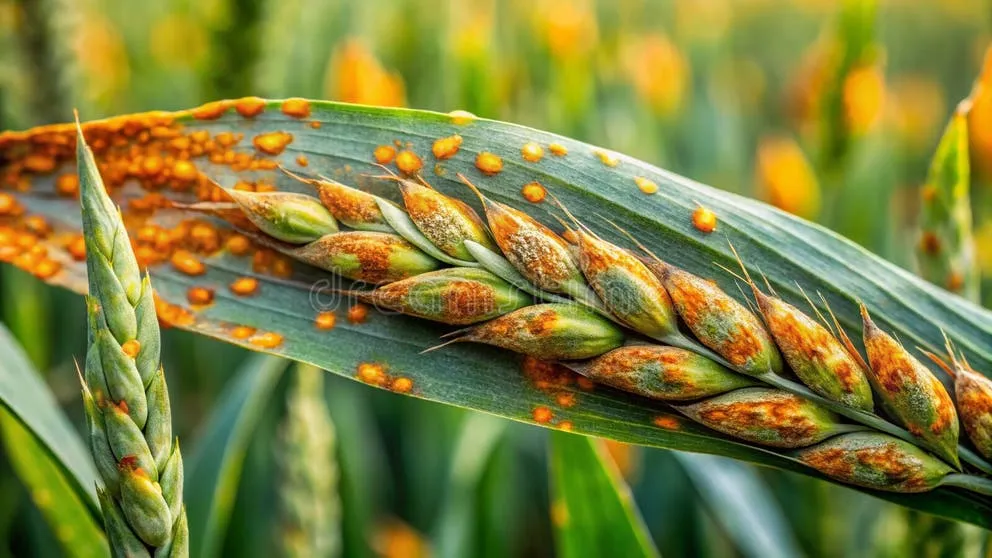
Rust Disease (caused by obligate biotrophic fungi in the order Pucciniales, primarily genera Puccinia and Uromyces) is a highly prevalent and economically damaging fungal leaf infection affecting thousands of plant species worldwide. Characterized as specialized pathogens, rust fungi cannot survive without living plant host tissue. They attack a wide array of foliage, including cereal grains like wheat, ornamental flowers like roses and hollyhocks, and vegetables like beans. Highly visible, rust creates thousands of dusty, raised pustules containing microscopic spores that rupture through the leaf skin, rapidly depleting host nutrients and reducing plant health.
Identifying a Rust Disease infection involves checking leaf surfaces, particularly the undersides. The initial symptom appears as tiny, pale-yellow spots on the upper leaf surface. Soon, these spots correspond to raised, powdery, blister-like pustules on the leaf undersides, colored bright orange, yellow, reddish-brown, or black. Rubbing these pustules leaves a dusty, rust-colored residue on fingers. As the disease advances, affected leaves yellow, dry up, curl, and experience premature drop (defoliation). Stems and flower buds can also develop swollen, distorted orange growths under heavy spore pressure.
Rust fungi thrive in high-humidity, cool-to-warm conditions (15°C to 24°C) with persistent leaf wetness—requiring free water on leaves for at least 4 to 8 hours to germinate. The powdery summer spores (urediniospores) spread rapidly by wind, rain splash, or physical contact, starting new infection cycles in as little as 10 days. Many rust species require two completely different plant hosts to complete their complex five-spore life cycles, overwintering as dark, tough teliospores in leaf debris.
| Crop/Plant Type | Severity Rating | Impact Description |
|---|---|---|
| Roses & Hollyhocks | Extreme (⭐⭐⭐) | Massive leaf drops, distorted stems, and ruined ornamental bloom quality |
| Beans & Garlic | High (⭐⭐) | Stunted growth, leaf necrosis, and severe reduction in pod/bulb yields |
| Wheat & Corn Crops | Medium (⭐) | Reduced photosynthesis, shriveled grains, and susceptibility to lodging |
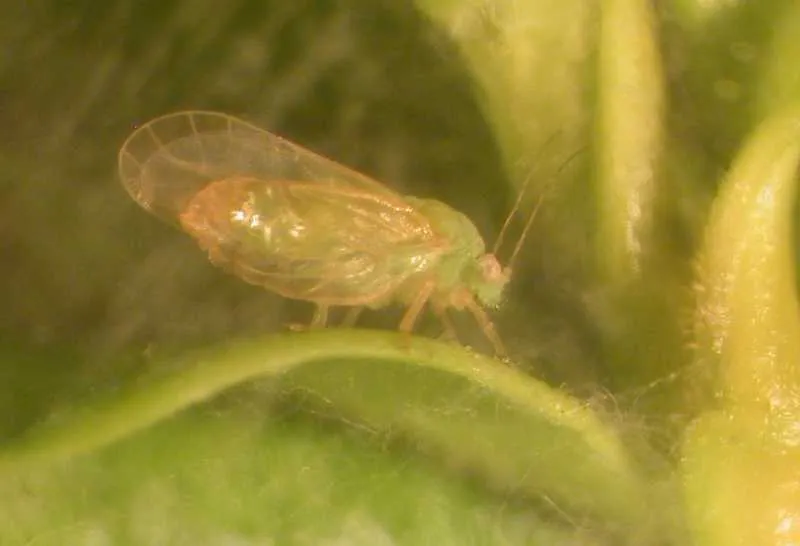
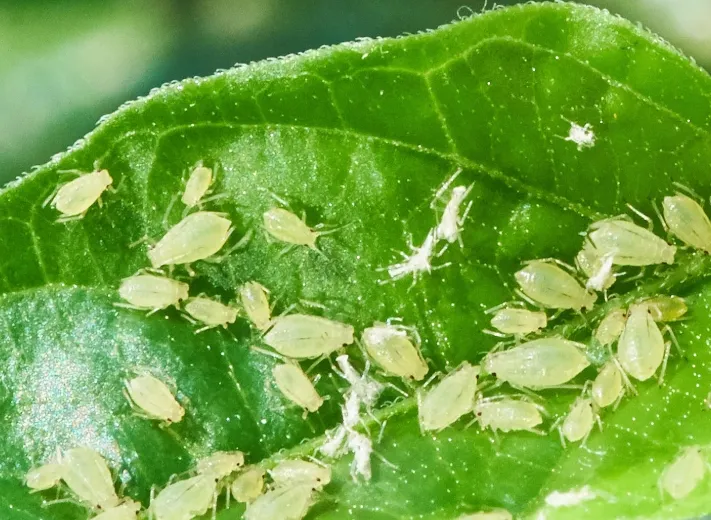
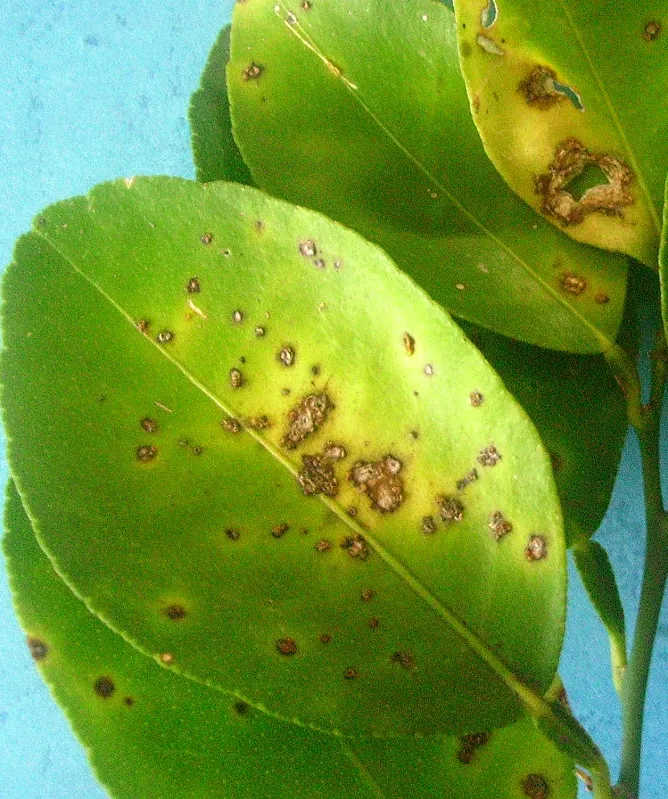
Managing Rust Disease relies heavily on reducing moisture on foliage. Natural treatments include using drip irrigation, spraying baking soda leaf washes, and pruning to maximize air circulation. Chemical controls are highly effective when spraying preventative fungicides like chlorothalonil or using curative systemic myclobutanil solutions. For comprehensive disease identification guidelines, visit our Plant Disease Identifier Hub, or explore related threat profiles like Bacterial Canker, Leafhopper, and Cucumber Beetle.
Taxonomy & Features
- Dusty Spore Blisters: Features thousands of raised, powdery pustules releasing rust-colored, airborne spores.
- Obligate Parasitism: The fungal pathogen requires living host plant tissues to grow and complete its lifecycle.
- Yellow-to-Orange Blight: Destroys leaf green areas, replacing them with dry, necrotic yellow-orange patches.
- Premature Foliage Drop: Severely infected leaves curl, dry out, and drop prematurely, weakening the host plant.
- Multi-Host Complex: Many species require two completely different botanical plant families to complete their cycles.
- Wind-Borne Spread: Microscopic, dry summer spores travel immense distances on air currents to infect new areas.
Seasonal Outbreak Calendar
Outbreak risk and activity timeline for Rust Disease based on seasonal climate patterns:
Names in Different Languages
Affected Plant Species
Vegetables & Crops
- Beans
- Garlic
- Onions
- Asparagus
- Maize
Flowers & Ornamentals
- Roses
- Hollyhocks
- Snapdragons
- Carnations
- Geraniums
Fruits & Berries
- Apples
- Pears
- Blackberries
- Plums
Prevention & Cure
Natural & Organic Methods
- Baking Soda Spray: Spray a mixture of 1 tablespoon baking soda, 1 teaspoon horticultural oil, and 1 gallon water to raise leaf pH and inhibit spores.
- Pruning and Thinning: Prune dense plant branches and remove lower leaves to increase sun penetration and internal air circulation.
- Debris Removal: Meticulously clean up and burn fallen infected leaves in autumn to prevent rust spores from overwintering on the ground.
- Drip Irrigation: Irrigate plants strictly at soil level using drip systems to prevent water from splashing onto leaf surfaces.
Chemical & Professional Control
- Chlorothalonil Fungicide: Apply chlorothalonil foliar sprays early in spring as a protective barrier before rust pustules emerge.
- Myclobutanil Systemic: Apply systemic myclobutanil (like Immunox) to cure and protect ornamental plants from active rust infections.
- Copper Fungicide: Spray organic-approved copper octanoate solutions onto leaves showing early signs of rust spot development.
Frequently Asked Questions
What is the most recognizable symptom of Rust Disease?
The appearance of small, powdery, raised pustules colored bright orange, yellow, brown, or rust-red on the undersides of leaves and stems.
Does Rust Disease kill plants?
Rust rarely kills mature plants instantly, but it severely weakens them by destroying leaf tissue, reducing photosynthesis, and causing premature leaf drop.
Why is Rust Disease so persistent?
Rust fungi have complex life cycles producing up to five distinct spore stages, and their powdery spores are easily blown miles away by wind to infect new hosts.
Recommended diagnostics based on crop family and symptoms:
Remedy Disclaimer & Safety Notice
This disease guide is for educational screening purposes only. Pathogen behavior, severity, and host susceptibility can vary dramatically based on seed variety, weather conditions, and regional microclimates. Chemical pesticides and organic treatments are subject to strict regional environmental regulations and registration mandates. Please verify all chemical registrations and review manufacturer safety labels carefully with local certified agronomists or agricultural extension service offices before applying.