
Asian Citrus Psyllid
Diaphorina citri
About Asian Citrus Psyllid
The Asian Citrus Psyllid (*Diaphorina citri*, family Liviidae) is a highly destructive, species-specific sap-sucking insect pest of citrus crops worldwide. Measuring only 3 to 4 mm, this pest represents a critical threat to citrus production. While the psyllid's sap-feeding stunts shoot growth, its greatest danger lies in its role as the exclusive insect vector for the lethal, uncurable plant bacterium *Candidatus Liberibacter asiaticus*. This bacterium causes Citrus Greening disease (also known as Huanglongbing or HLB), which blocks nutrient transport, turning leaves yellow, rendering fruit bitter and unmarketable, and ultimately killing the citrus tree within a few years.
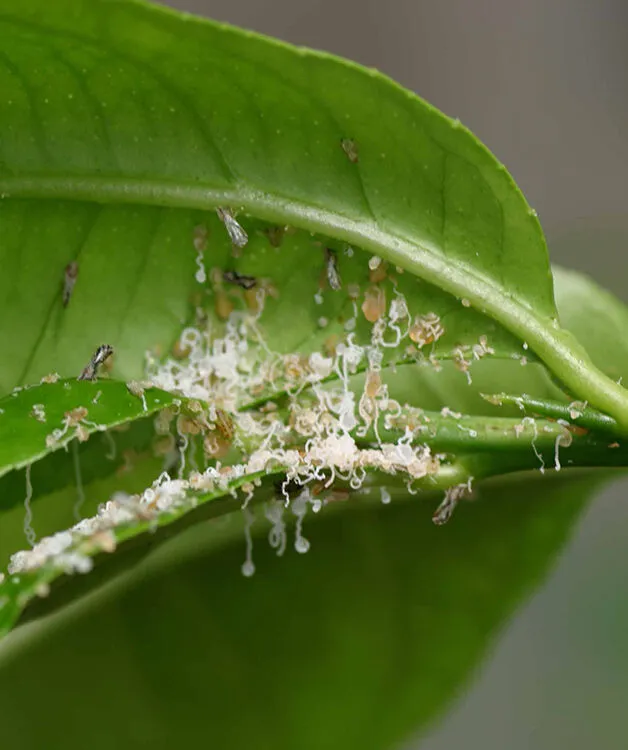
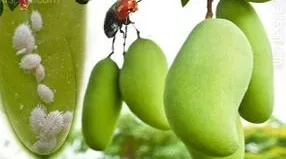
Identifying the Asian Citrus Psyllid is vital for citrus orchard health. The adults are small, mottled-brown insects (3–4 mm long) with a pointed head and red eyes. When feeding, they assume a highly diagnostic, head-down posture at a 45-degree angle to the leaf surface. The nymphs (young stages) are tiny, flat, and bright orange-to-yellow, clustering on young, succulent shoots. These nymphs excrete distinctive, curly white waxy tubules (threads) from their rears and produce sugary honeydew, which attracts ants and leads to black sooty mold.
To understand how *Diaphorina citri* differs from broader jumping plant lice, review this taxonomic and risk comparison:
| Taxonomic & Trait Dimension | Asian Citrus Psyllid (Diaphorina citri) | General Psyllid Superfamily (Psylloidea) |
|---|---|---|
| Biological Rank | Single Species (Family *Liviidae*, Genus *Diaphorina*) | Insect Superfamily (~3,000+ species, Family *Psyllidae*) |
| Primary Host Scope | Strictly Citrus & Rutaceae (Oranges, Lemons, Limes, Orange Jasmine) | Multi-crop: Pears, Potatoes, Tomatoes, Eucalyptus, Acacia, Boxwood |
| Vectored Plant Disease | Citrus Greening (HLB / Candidatus Liberibacter asiaticus) | Pear Decline, Psyllid Yellows (Zebra Chip in potatoes), Witches' Broom |
| Nymph Excretions | Curly white waxy tubules + sticky honeydew | Waxy lerp shells, honeydew droplets, or cottony threads |
| Biological Control | Tamarixia radiata parasitic wasp (highly host-specific) | Ladybugs, lacewings, pirate bugs, generalist parasitoids |
| Hub Reference Page | Dedicated Species Profile | See our General Psyllid Pest Family Guide |
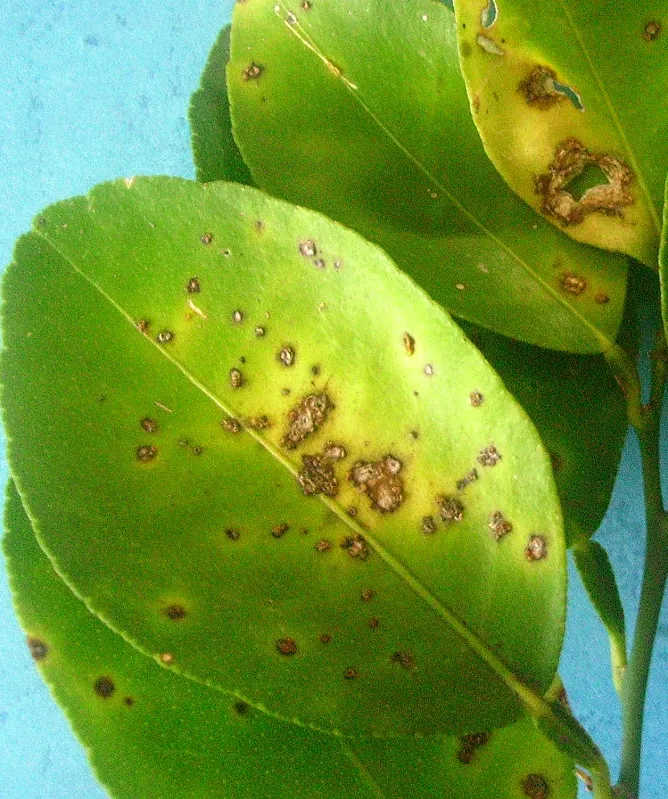
Managing the Asian Citrus Psyllid requires strict quarantine and targeted treatment to prevent Citrus Greening disease. For organic control, apply thorough foliar sprays of neem oil or horticultural mineral oils during new leaf flushes to suffocate nymphs. Releasing the highly efficient parasitic wasp *Tamarixia radiata* provides excellent biological control by parasitizing psyllid nymphs. Chemical options include systemic imidacloprid soil drenches or foliar sprays of cyantraniliprole and beta-cyfluthrin. For complete citrus health guides, consult our Plant Disease Identifier Hub, or read related guides on our General Psyllid Pest Family Guide, Citrus Greening, Citrus Canker, and Aphids.
Taxonomy & Features
- Diagnostic 45-Degree Feeding: Adults feed head-down, holding their bodies at a unique 45-degree angle to leaf surfaces.
- Curly Waxy Tubules: Bright orange nymphs excrete distinctive, curly white waxy tubes from their rears while feeding.
- Citrus Greening Vector: Transmits the uncurable Candidatus Liberibacter bacterium, causing terminal citrus decline (HLB).
- Almond-Shaped Yellow Eggs: Females lay bright yellow, almond-shaped eggs tucked inside the folds of emerging leaf buds.
- Jumping Plant Lice: Adults have strong hind legs, allowing them to jump or fly rapidly when leaves are disturbed.
- Tamarixia Parasitism: Releasing the tiny Tamarixia radiata wasp provides natural biological control of psyllid nymphs.
Seasonal Outbreak Calendar
Outbreak risk and activity timeline for Asian Citrus Psyllid based on seasonal climate patterns:
Names in Different Languages
Affected Plant Species
Vegetables & Crops
- None documented (Pathogen is strictly host-specific to citrus crops and related Rutaceae hosts)
Flowers & Ornamentals
- Orange Jasmine (Murraya paniculata - Favorite alternative host)
- Curry Leaf Tree (Bergera koenigii - Breeding host)
- Mock Orange (Philadelphus)
Fruits & Berries
- Sweet Orange
- Mandarin (Clementine)
- Lemon
- Lime
- Grapefruit
- Kumquat
- Pomelo
Prevention & Cure
Natural & Organic Methods
- Foliar Oil Sprays: Apply 1-2% lightweight horticultural mineral oils or neem oil to smother nymphs on new shoots.
- Tamarixia radiata: Release Tamarixia radiata parasitic wasps, which lay eggs inside psyllid nymphs to destroy them.
- Yellow Sticky Traps: Install yellow sticky cards around leaf flushes to monitor and capture adult psyllids.
- Eradicate Orange Jasmine: Avoid planting ornamental Orange Jasmine near commercial citrus orchards.
Chemical & Professional Control
- Imidacloprid: Apply as a systemic soil drench in spring to protect trees from psyllid sap feeding.
- Cyantraniliprole: Use as a targeted foliar spray to eliminate active adult flights on emerging leaves.
- Beta-Cyfluthrin: Spray during peak seasonal flushes to establish immediate contact protective barriers.
Frequently Asked Questions
Why is the Asian Citrus Psyllid considered so dangerous?
While its direct feeding damage stunts leaf shoots, the real danger is that the Asian Citrus Psyllid is the vector for Citrus Greening disease (Huanglongbing). This bacterial disease is 100% uncurable, stops nutrient flow, causes lopsided, bitter fruit, and kills citrus trees within 3-5 years.
What does the 45-degree angle mean when identifying psyllids?
This is the easiest way to identify adult psyllids: when resting or feeding on leaves, they insert their mouthparts and lift their hind bodies up into the air, forming a distinct 45-degree angle. No other common citrus pest assumes this feeding posture.
Can Orange Jasmine attract psyllids to my citrus trees?
Yes. Orange Jasmine (*Murraya paniculata*) is a popular landscape ornamental plant belonging to the same family as citrus. It is a favorite host and breeding ground for the Asian Citrus Psyllid. Planting them near citrus orchards is highly discouraged.
Recommended diagnostics based on crop family and symptoms:
Remedy Disclaimer & Safety Notice
This disease guide is for educational screening purposes only. Pathogen behavior, severity, and host susceptibility can vary dramatically based on seed variety, weather conditions, and regional microclimates. Chemical pesticides and organic treatments are subject to strict regional environmental regulations and registration mandates. Please verify all chemical registrations and review manufacturer safety labels carefully with local certified agronomists or agricultural extension service offices before applying.