
Flea Beetle
Alticinae (Subfamily)
About Flea Beetle
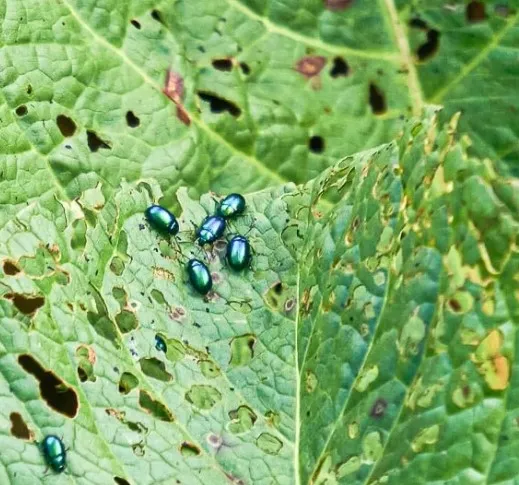
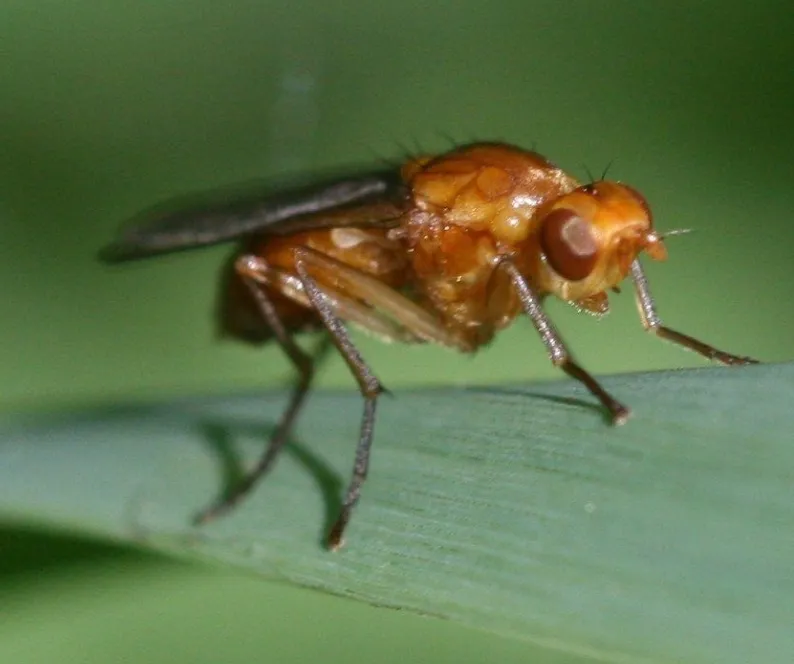
Flea Beetles (*subfamily Alticinae* of the leaf beetle family *Chrysomelidae*, order *Coleoptera*), comprising thousands of small beetle species (most notably *Phyllotreta striolata* and *Epitrix fuscula*), are highly active, leaf-chewing insect pests that represent a premier threat to spring seedlings. These tiny, hard-shelled beetles are defined by their enlarged hind legs (femora) that function as powerful springs, allowing them to jump great distances like fleas when disturbed. They chew numerous small holes in leaf tissues, severely weakening young plants.
Identifying a flea beetle infestation involves observing the highly diagnostic 'shotgun' feeding pattern on foliage—hundreds of tiny, circular holes (1–2 mm) that give leaves a lacy, shot-riddled, or sieve-like appearance. The beetles themselves are very small, measuring only 1.5 to 4 mm in length, with an oval, compact body that shines with a metallic bronze, blue-green, or shiny black luster, though some species display distinct yellow stripes. Under threat, they display their signature rapid jumping behavior.
Flea beetles target young seedlings across brassica and nightshade crops.
| Affected Crops / Plants | Severity Rating | Damage Symptoms |
|---|---|---|
| Cabbage, Radish, Broccoli | Extreme (⭐⭐⭐) | Lacy seedling leaves, destroyed cotyledons, leaf drying |
| Eggplants, Potatoes, Tomatoes | Extreme (⭐⭐⭐) | Shotholes, stunted growth, vectoring of bacterial wilt |
| Spinach, Beets, Swiss Chard | High (⭐⭐) | Foliar spotting, ruined leaf appearance, lower yields |
Flea beetles overwinter as mature adults in garden weeds, grassy borders, and leaf litter. In early spring, as temperatures rise, they emerge to feed actively on emerging weeds and young seedlings. Females lay tiny eggs in the soil at the base of host plants. These hatch into thin white larvae that spend 2 to 3 weeks underground feeding on plant root hairs and stems before pupating. Multiple generations overlap throughout summer. For organic management, cover young crops immediately with lightweight floating row covers, dust dry foliage with diatomaceous earth to lacerate their bodies, or spray leaves with kaolin clay to form a powdery, unpalatable physical barrier. Spinosad and neem oil sprays are highly effective contact deterrents. Chemical control is achieved with foliar sprays of contact pyrethroids like permethrin or systemic soil drenches of imidacloprid for ornamentals. Prevent infestations by keeping garden borders weed-free to eliminate overwintering sites, planting trap crops like nasturtium, and using thick organic mulches to deter soil egg-laying. For complete pest guides, browse our Plant Disease Identifier Hub, or explore related chewing pest profiles like Japanese Beetles, Cabbage Worms, and Parsley Worms. For specialized diagnosis of related crop threats, see our guide on Mexican Bean Beetle.
Taxonomy & Features
- Springing Hind Legs: Named 'flea beetles' because of their powerful enlarged hind legs that enable them to jump like fleas when threatened or disturbed.
- Shotgun Foliar Spots: Devours leaf tissues in tiny circular holes, producing a highly characteristic shotgun shot-riddled lacy appearance.
- Seedling Lethality: Feeding is highly dangerous to young seedlings and cotyledons, which quickly dry up, brown, and collapse.
- Wilt Vector Hazard: Feeding punctures act as direct entry points for bacterial plant pathogens, transmitting bacterial wilt and spindle tuber viroid.
- Underground Larval grubs: Larval stage consists of thin white grubs that feed silently on subterranean roots and organic matter.
- Kaolin Clay Deterrent: Spraying kaolin clay creates a dusty white film on foliage that acts as a sensory and visual feeding deterrent.
Seasonal Outbreak Calendar
Outbreak risk and activity timeline for Flea Beetle based on seasonal climate patterns:
Names in Different Languages
Affected Plant Species
Vegetables & Crops
- Eggplant (Highly susceptible)
- Radish
- Potatoes
- Tomatoes
- Cabbage
- Broccoli
- Spinach
Flowers & Ornamentals
- Nasturtiums (Often used as trap crops)
- Zinnias
- Petunias
- Alyssum
- Stocks
Fruits & Berries
- Strawberries
- Cranberries
Prevention & Cure
Natural & Organic Methods
- Floating Row Covers: Cover newly emerged seedlings with fine mesh covers to prevent beetles from reaching leaves.
- Diatomaceous Earth: Dust dry foliage with food-grade diatomaceous earth to physically cut and dehydrate beetles.
- Kaolin Clay: Spray leaves with kaolin clay (Surround WP) to form a protective white clay barrier that deters feeding.
- Trap Cropping: Plant radishes or nasturtiums nearby to attract flea beetles away from valuable eggplants and tomatoes.
Chemical & Professional Control
- Spinosad Sprays: Apply Spinosad formulations for highly effective natural bacterial contact control.
- Foliar Permethrin: Spray contact synthetic pyrethroids like permethrin or bifenthrin to knock down heavy beetle clusters.
- Systemic Dinotefuran: Treat soil bases systemically to protect ornamental leaves and stems from chewing damage.
Frequently Asked Questions
Will Flea Beetles kill my established garden plants?
Rarely. While flea beetles can chew hundreds of holes in mature, established plants (like large tomato plants or potato vines), healthy plants easily tolerate this cosmetic foliar damage without losing yield. However, they are highly lethal to young, tender seedlings and transplants, which have very few leaves and can be completely defoliated and killed in a single day.
Can Flea Beetles transmit plant diseases?
Yes! Flea Beetles are efficient vectors for several highly destructive plant pathogens. As they feed and move between host plants, they can transmit bacterial wilt (*Clavibacter*) and spindle tuber viroid in potatoes, and brown rot in tomatoes, introducing serious pathogens through their feeding wounds.
How do I distinguish Flea Beetles from regular garden fleas?
Despite their confusing name, Flea Beetles are hard-shelled chewing beetles (*Coleoptera*) that strictly feed on plants. Regular fleas are tiny, soft-bodied blood-sucking parasites (*Siphonaptera*) that strictly target mammals and birds. They share nothing in common except their outstanding jumping ability.
Recommended diagnostics based on crop family and symptoms:
Remedy Disclaimer & Safety Notice
This disease guide is for educational screening purposes only. Pathogen behavior, severity, and host susceptibility can vary dramatically based on seed variety, weather conditions, and regional microclimates. Chemical pesticides and organic treatments are subject to strict regional environmental regulations and registration mandates. Please verify all chemical registrations and review manufacturer safety labels carefully with local certified agronomists or agricultural extension service offices before applying.