
Early Blight
Alternaria solani, Alternaria tomatophila
About Early Blight
Early blight is a highly prevalent and damaging fungal disease caused by Alternaria solani (and sometimes Alternaria tomatophila), primarily targeting members of the Solanaceae (nightshade) family. Belonging to the Pleosporaceae family, this airborne pathogen causes severe foliar damage, stem lesions, and post-harvest fruit rot. Despite the name 'early blight', it can affect plants at any stage of growth, causing extensive premature defoliation that weakens the host plant, restricts photosynthesis, and reduces harvest yields significantly in tomato, potato, and eggplant crops.
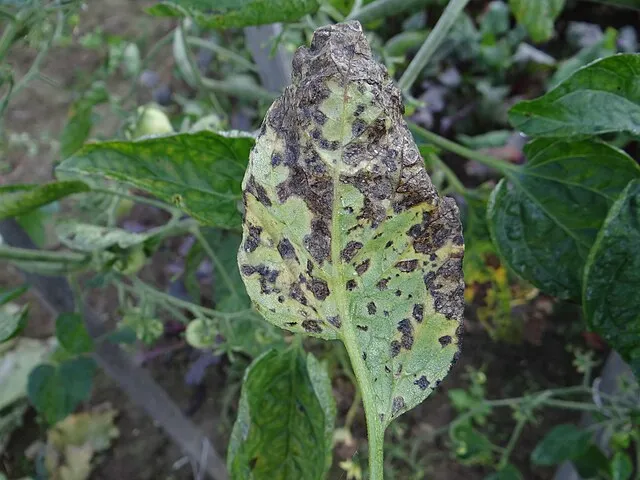
Identifying Early Blight is highly direct due to the distinctive target-like symptoms it produces on mature tissues. The primary symptom is the presence of dark brown-to-black circular spots (up to 12 mm in diameter) containing prominent concentric rings resembling a bullseye or target board. These spots appear first on older, lower leaves and are surrounded by a bright yellow chlorotic halo. Stems develop dark, sunken, oval-shaped lesions near the soil line (known as collar rot). Ripening fruits display leathery, sunken, dark-brown spots with concentric rings near the stem junction. Our diagnostic close-up image reveals the classic target pattern on a tomato leaf, illustrating the cellular necrosis of Alternaria.
The life cycle of Alternaria solani is highly persistent. The fungus overwinters in infected plant debris, volunteer nightshades, and contaminated soil. In spring, warming temperatures prompt the release of microscopic spores (conidia) spread by wind, splashing rain, and insect activity. Multiple infection cycles run in a single season when temperatures range between 24-29°C (75-84°F) accompanied by high humidity above 90%.
| Crop / Plant Type | Severity Rating | Damage Symptoms |
|---|---|---|
| Tomatoes & Potatoes | Extreme (⭐⭐⭐) | Target-like leaf spots, stem collar rot, severe defoliation |
| Eggplants & Peppers | High (⭐⭐) | Sunken stem lesions, leathery dark fruit spots, early leaf drop |
| Cucurbits (Cucumbers, Squash) | Medium (⭐) | Localized leaf spots, mild yellowing, slowed growth |
Managing Early Blight requires a combination of organic controls and active prevention. For organic treatment, spray foliage with copper-based fungicides, cold-pressed neem oil, or biological sprays containing *Bacillus subtilis* to stop spore germination. For commercial orchards, chemical controls include chlorothalonil, mancozeb, or azoxystrobin applied preventatively every 7 to 14 days during warm, wet periods. Prevent outbreaks by practicing a strict 3-year crop rotation, applying organic straw mulch to block soil splash, staking plants off the ground, and pruning lower foliage to enhance airflow. For further guidance, consult our Plant Disease Identifier Hub, or view profiles on Late Blight, Septoria Leaf Spot, and Bacterial Speck.
Taxonomy & Features
- Target-Board Spots: Produces dark brown circular lesions with prominent concentric rings resembling a bullseye.
- Premature Defoliation: Starts on older, lower leaves, causing them to turn yellow and drop off, exposing fruit to sunscald.
- Collar Rot: Attacks young stems near the soil line, creating dark, sunken lesions that can girdle and stunt seedlings.
- Leathery Fruit Rot: Causes dark, leathery, sunken lesions near the stem end of fruits, ruining the harvest.
- Rain Splash Spread: Spores overwinter in soil debris and are splashed onto lower leaves by rain or overhead watering.
- Basal Mulch Defense: Best prevented by staking plants, mulching the soil, and avoiding overhead sprinkler irrigation.
Seasonal Outbreak Calendar
Outbreak risk and activity timeline for Early Blight based on seasonal climate patterns:
Names in Different Languages
Affected Plant Species
Vegetables & Crops
- Tomato
- Potato
- Eggplant
- Pepper
- Tomatillo
- Okra
Flowers & Ornamentals
- Petunias
- Nicotiana
- Calibrachoa
- Zinnias
- Marigolds
Fruits & Berries
- Watermelon
- Cantaloupe
- Squash
Prevention & Cure
Natural & Organic Methods
- Copper Fungicide: Spray copper-based organic dusts or liquids on leaves to act as a preventative barrier against Alternaria spores.
- Neem Oil: Apply organic cold-pressed neem oil to leaves to suppress fungal development and disrupt spore germination.
- Organic Mulching: Place a thick layer of straw or leaf mulch around plant bases to prevent soil-borne spores from splashing onto lower leaves.
- Basal Pruning: Clip off and destroy the bottom 12 inches of plant foliage once established to eliminate contact with the soil.
Chemical & Professional Control
- Chlorothalonil: Spray foliage thoroughly to provide excellent protectant action against early blight spore germination.
- Mancozeb: Apply as a broad-spectrum preventative fungicide during early summer wet periods to protect green tissue.
- Azoxystrobin: Use as an effective systemic treatment to stop existing fungal penetration and prevent foliar spread.
Frequently Asked Questions
What is the difference between Early Blight and Late Blight?
Early Blight is caused by Alternaria solani, creating dry brown spots with distinct concentric rings (target board) mostly on lower leaves in warm weather. Late Blight is caused by Phytophthora infestans, creating dark, water-soaked, greasy-looking lesions that rapidly turn black and fuzzy in cool, wet weather, destroying plants within days.
Can I compost plants infected with Early Blight?
No, you should never compost plants infected with Early Blight. Alternaria spores are highly durable and can easily survive standard home composting temperatures, returning to infect your garden when the compost is applied.
Does Early Blight affect the seeds of tomatoes?
Yes, Early Blight can be seed-borne. The fungus can infect the fruit and penetrate the seed coat. Always buy certified disease-free seeds or practice hot-water seed treatment to prevent introducing the pathogen into your soil.
Recommended diagnostics based on crop family and symptoms:
Remedy Disclaimer & Safety Notice
This disease guide is for educational screening purposes only. Pathogen behavior, severity, and host susceptibility can vary dramatically based on seed variety, weather conditions, and regional microclimates. Chemical pesticides and organic treatments are subject to strict regional environmental regulations and registration mandates. Please verify all chemical registrations and review manufacturer safety labels carefully with local certified agronomists or agricultural extension service offices before applying.