
Grasshopper
Schistocerca spp.
About Grasshopper
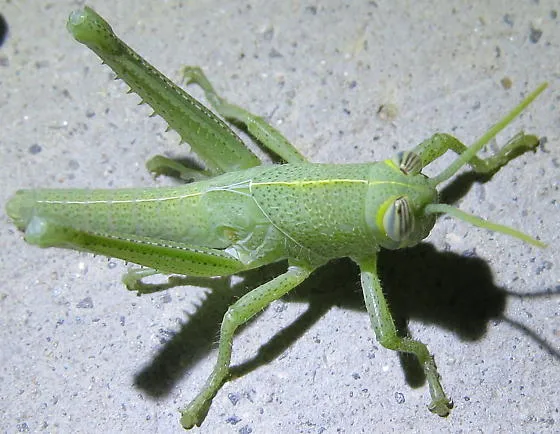
Grasshoppers and their migratory phase variants, known as locusts, are highly voracious chewing insect pests belonging to the suborder Caelifera of the order Orthoptera (most notably the family Acrididae, containing genera like *Schistocerca*). Characterized by powerful jumping hind legs and chewing mouthparts, these insects are among the most destructive pests in agricultural history. While solitary grasshoppers feed steadily in fields, certain species exhibit a density-dependent behavioral shift under crowded conditions, changing color, swarming, and marching as 'locusts'. These swarms cover hundreds of square kilometers, stripping all green vegetation, grasses, and crops in their path, causing severe famine and economic loss.
Identifying grasshopper activity is straightforward due to their large size and characteristic chewing damage. They range from 1 to 7 cm in length, featuring green-to-brown camouflaged bodies, large compound eyes, and short antennae. Damage is marked by large, ragged, irregular holes chewed out of leaf margins, often leaving only the tough woody stems behind. During severe locust invasions, the physical presence of massive clouds of insects and noise of chewing foliage is unmistakable, with crop rows skeletonized in minutes.
Grasshoppers are generalist feeders that eat almost any plant matter, consuming their own body weight in food every day. They thrive in hot, dry weather, which favors egg survival and nymph development. Females lay pod-like egg clusters (containing 20-120 eggs) deep in the soil during autumn.
| Cereal or Crop Family | Severity Rating | Defoliation & Swarm Symptoms |
|---|---|---|
| Cereals (Maize, Wheat, Rice) | Extreme (⭐⭐⭐) | Total defoliation, chewed grain spikes, complete crop loss in hours |
| Fruit Orchards (Citrus, Stone Fruit) | Extreme (⭐⭐⭐) | Stripped bark, total leaf loss, chewed young developing fruits |
| Vegetables (Beans, Melons) | High (⭐⭐) | Ragged foliar holes, chewed vine margins, ruined yields |
Eradicating grasshopper swarms requires rapid, coordinated physical and chemical action. For organic control in home gardens, deploy physical netting barriers and apply foliar sprays of neem oil or insecticidal soaps, which act as feeding deterrents. Applying *Nosema locustae* (a natural microsporidian protozoan) bait specifically targets and kills grasshoppers without harming beneficial insects. Encourage natural predators like poultry (chickens, ducks) and birds. Chemical options include foliar sprays of pyrethroids or carbaryl for immediate knock-down of advancing swarms. For advanced pest management, browse our Plant Disease Identifier Hub, or explore related guides like Armyworms, Pink Bollworm, and Thrips.
Taxonomy & Features
- Jumping Hind Legs: Possess extremely enlarged, muscular hind legs designed for high-powered jumping.
- Dense Migratory Swarming: Crowding triggers a physiological change, shifting solitary grasshoppers into swarming 'locusts'.
- Powerful Chewing Mouthparts: Equipped with heavy mandibles that chew leaves, tender bark, and fruit structures rapidly.
- Soil-Buried Egg Pods: Females insert long ovipositors into autumn soil to bury durable, protective egg pods.
- Generalist Crop Damage: Generalist feeders consuming grains, orchard trees, vegetables, and weeds alike.
- Dry Climate Proliferation: Nymph populations explode and thrive during hot, dry summer periods (30-40°C).
Seasonal Outbreak Calendar
Outbreak risk and activity timeline for Grasshopper based on seasonal climate patterns:
Names in Different Languages
Affected Plant Species
Vegetables & Crops
- Maize (Sweet Corn)
- Beans
- Tomato
- Lettuce
- Potato
- Cabbage
Flowers & Ornamentals
- Zinnia
- Chrysanthemum
- Marigold
- Sunflower
- Dahlia
Fruits & Berries
- Citrus (Orange, Lemon)
- Peach
- Plum
- Grapevine
- Banana Leaves
Prevention & Cure
Natural & Organic Methods
- Nosema locustae Bait: Scatter bran bait loaded with Nosema locustae spore microsporidian to selectively target grasshoppers.
- Physical Netting: Use lightweight garden mesh covers to physically exclude hungry jumping grasshoppers from raised beds.
- Encourage Poultry: Keep chickens, ducks, or guinea fowl in orchards to hunt and feed on jumping grasshoppers and nymphs.
- Deep Tilling: Till soil in late autumn to expose buried egg pods to winter frost and birds.
Chemical & Professional Control
- Carbaryl Sprays: Apply carbaryl bran baits or foliar contact sprays to establish immediate chewing barriers.
- Bifenthrin: Spray along field edges to intercept migrating nymphs and adult populations.
- Malathion: Use as an effective, fast-acting commercial contact spray for emergency knock-down of swarms.
Frequently Asked Questions
What is the difference between a grasshopper and a locust?
All locusts are grasshoppers, but not all grasshoppers are locusts. A locust is a specific grasshopper species that can change its color, body structure, brain chemistry, and behavior when crowded. Under high densities, they enter a 'gregarious phase', form massive migratory swarms, and travel long distances.
Does neem oil deter grasshoppers from eating my plants?
Yes. Squirting a high-quality neem oil spray thoroughly on foliage acts as a natural feeding deterrent. Grasshoppers hate the bitter compounds (azadirachtin) in neem and will seek alternative weeds, slowing down garden defoliation.
How deep do grasshoppers lay their eggs?
Female grasshoppers use their sharp abdominal ovipositors to drill 1 to 2 inches (2.5 to 5 cm) deep into firm, undisturbed autumn soil. They deposit a frothy, cylinder-shaped 'egg pod' containing up to 120 eggs, which hardens to protect them through winter.
Recommended diagnostics based on crop family and symptoms:
Remedy Disclaimer & Safety Notice
This disease guide is for educational screening purposes only. Pathogen behavior, severity, and host susceptibility can vary dramatically based on seed variety, weather conditions, and regional microclimates. Chemical pesticides and organic treatments are subject to strict regional environmental regulations and registration mandates. Please verify all chemical registrations and review manufacturer safety labels carefully with local certified agronomists or agricultural extension service offices before applying.