
Onion Maggot
Delia antiqua
About Onion Maggot
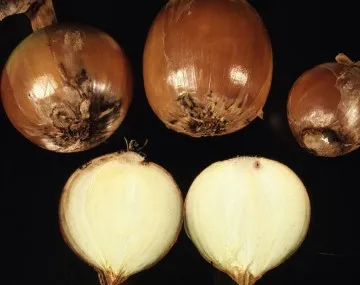
The Onion Maggot (*Delia antiqua*), belonging to the root fly family *Anthomyiidae* under the order *Diptera*, is the most destructive insect pest of onion (*Allium cepa*) and related crops worldwide. The primary damage is caused by the larval stage—a small, legless white maggot—that feeds on the subterranean bulbs of onions, garlic, leeks, and shallots. By tunneling through developing bulbs, the larvae disrupt water and nutrient transport, introduce rot, and quickly destroy young seedlings.
Identifying onion maggot damage requires checking the plant base and roots. Early symptoms include leaf yellowing, stunting, and wilting, especially in late spring. Young seedlings easily pull out of the ground, revealing clean-cut tunnels in the small bulbs. The maggots themselves are tapered, cream-colored, and legless, growing up to 8 mm. Affected bulbs emit a foul, rotting odor due to secondary soft rot bacteria invading the chewed tissues.
The onion maggot is a highly specialized pest of the Allium family.
| Affected Crops / Plants | Severity Rating | Damage Symptoms |
|---|---|---|
| Onions (Red, Yellow, Green) | Extreme (⭐⭐⭐) | Hollowed-out bulbs, seedling collapse, soft bacterial rot, and total crop failure |
| Garlic & Shallots | High (⭐⭐) | Tunneled cloves, rotten bulbs, leaf yellowing, and stunted maturity |
| Leeks, Chives, Allium Flowers | Medium (⭐) | Localized root tunneling, slow seedling development, and minor stunting |
Adult flies are greyish-brown (6 mm) and resemble small houseflies. They emerge from the soil in spring to lay white eggs in the soil around the base of onion plants. The eggs hatch in 2 to 5 days, and larvae immediately burrow into the bulbs. Organic management focuses on physical exclusion using row covers, crop rotation, and applying beneficial nematodes (*Steinernema feltiae*). Chemical control includes soil drenches with insecticides like chlorpyrifos or spinosad at planting. For comprehensive Allium support, check our Plant Disease Identifier Hub, or explore similar root pests like Cabbage Maggot, Wireworm, and White Grub.
Taxonomy & Features
- Subterranean Bulb Tunneling: Legless white maggots tunnel directly into onion bulbs, destroying the crop's vascular base.
- Foliar Wilting & Yellowing: Chewed roots prevent water uptake, causing leaves to turn yellow, wilt, and die.
- Foul Rotting Smell: Tunneling introduces soft rot bacteria, causing the bulbs to decompose and release a putrid odor.
- Grey Fly Adults: Adult flies (6 mm) look like small houseflies and lay eggs in soil cracks near host stems.
- Overwintering Soil Pupae: Survives the winter as reddish-brown pupal capsules buried in the soil of previous crops.
- Row Cover Exclusion: Covering beds with fine mesh row covers at planting blocks adult flies from laying eggs.
Seasonal Outbreak Calendar
Outbreak risk and activity timeline for Onion Maggot based on seasonal climate patterns:
Names in Different Languages
Affected Plant Species
Vegetables & Crops
- Onion
- Garlic
- Leek
- Shallot
- Chives
Flowers & Ornamentals
- Ornamental Alliums
Fruits & Berries
- None
Prevention & Cure
Natural & Organic Methods
- Floating Row Covers: Install fine mesh netting immediately at seeding to prevent egg-laying flies from landing.
- Beneficial Nematodes: Drench planting soil with Steinernema feltiae nematodes to destroy larvae naturally.
- Crop Rotation: Practice a strict 3-4 year rotation of Alliums to prevent emerging soil flies from finding hosts.
Chemical & Professional Control
- Spinosad Drench: Drench the root zone with spinosad (Entrust) during transplanting for effective larval control.
- Chlorpyrifos Inoculation: Treat soil furrow beds with granular organophosphates during mechanical seeding.
- Soil Pyrethroids: Apply bifenthrin soil drenches at planting to create a toxic barrier against emerging maggots.
Frequently Asked Questions
Will companion planting garlic next to onions help deter onion maggots?
No. Onion maggots feed on all members of the Allium family, including garlic, shallots, and chives. Planting them together will actually attract more flies to the bed.
Can I eat onions that have been tunneled by maggots?
It is not recommended. The maggot tunnels introduce decay organisms and soft rot bacteria. Affected bulbs quickly decompose, turn mushy, and release a highly offensive odor.
How do onion maggots overwinter in my garden?
They overwinter as small, reddish-brown pupae (resembling grains of wheat) buried 2 to 6 inches deep in the soil where infected onions grew during the summer.
Recommended diagnostics based on crop family and symptoms:
Remedy Disclaimer & Safety Notice
This disease guide is for educational screening purposes only. Pathogen behavior, severity, and host susceptibility can vary dramatically based on seed variety, weather conditions, and regional microclimates. Chemical pesticides and organic treatments are subject to strict regional environmental regulations and registration mandates. Please verify all chemical registrations and review manufacturer safety labels carefully with local certified agronomists or agricultural extension service offices before applying.