
Ergot
Claviceps purpurea
About Ergot
Ergot is a highly specialized and historically infamous plant disease caused by the obligate biotrophic ascomycete fungus *Claviceps purpurea*. This pathogen attacks cereal crops—particularly rye, wheat, triticale, barley, and various forage grasses—replacing healthy grain seeds with dark, toxic fungal structures. While ergot reduces grain yields by consuming seed-producing tissues, its main danger lies in the production of highly toxic ergot alkaloids (including ergotamine). Consuming contaminated grains in bread or feed causes ergotism (historically called 'St. Anthony's Fire' or 'Holy Fire') in humans and livestock, causing hallucinations, gangrene, and convulsions.
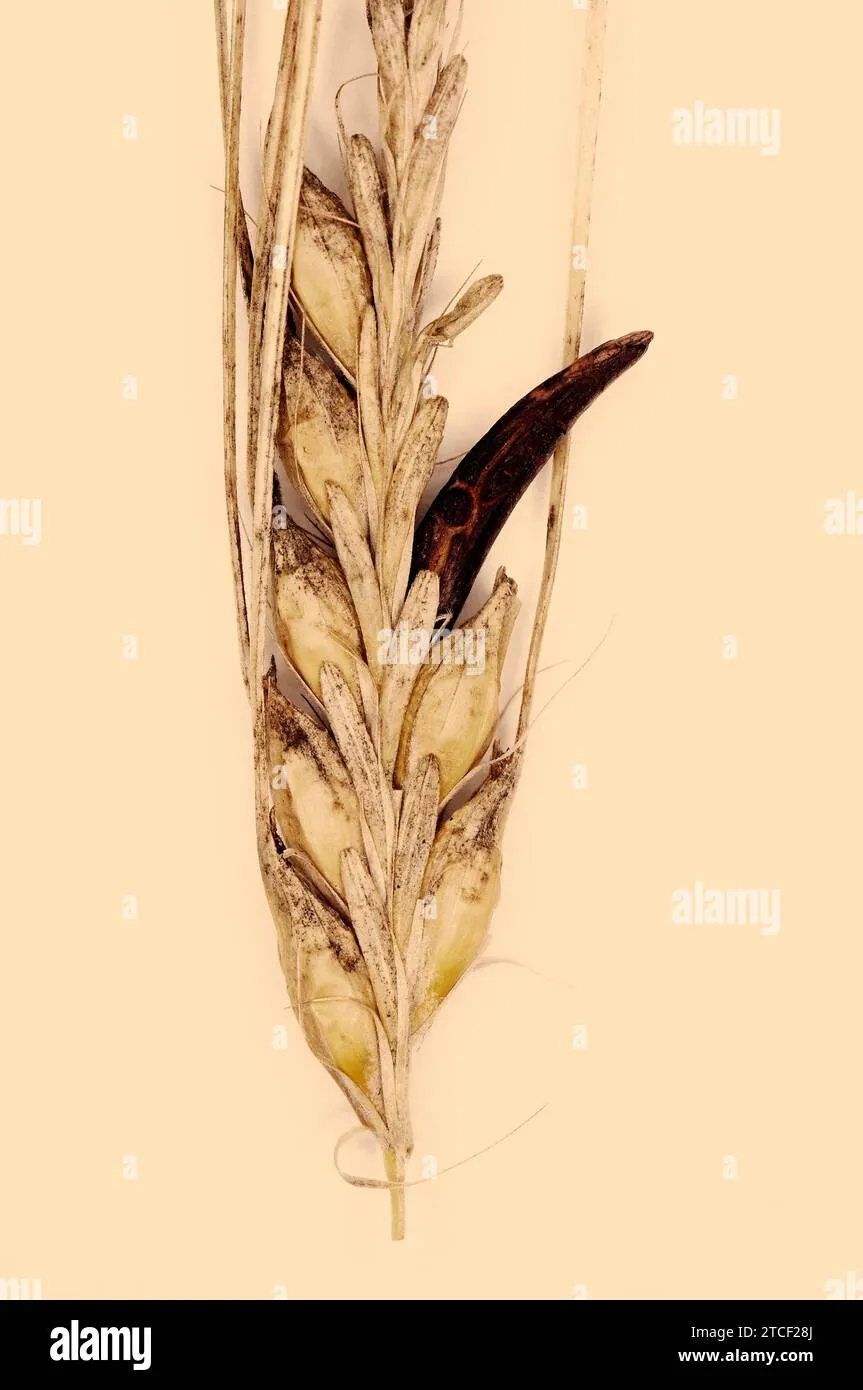
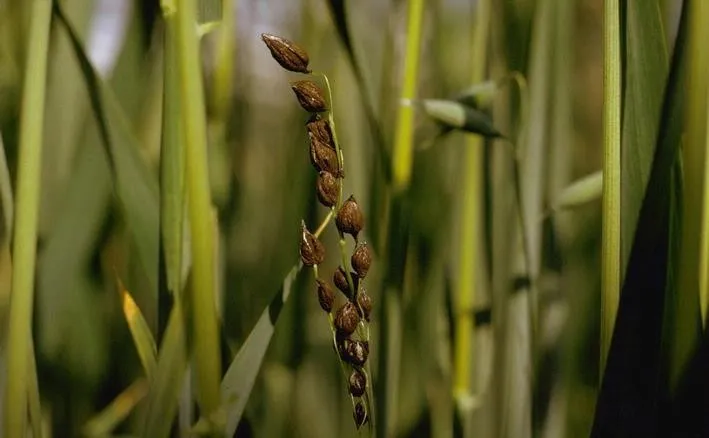
Identifying Ergot is straightforward once the fungal structures emerge on grain heads (spikes). In early spring, the first sign is the 'honeydew' stage: infected flowers exude a sticky, cream-colored, sugary fluid that drips down stems, attracting spore-carrying insects. As summer matures, the honey-like sap stops flowing, and the fungus replaces the developing grain with a hard, curved, dark-purple-to-coal-black spur-like structure (sclerotium). These sclerotial spurs are much larger than healthy grain seeds, protruding from the grain spike.
The lifecycle of *Claviceps purpurea* is heavily dependent on cool, damp, and highly humid spring weather during the host's flowering period, which prolongs pollination and leaves flowers open to infection. The fungus overwinters as sclerotial spurs in the soil or mixed with stored seed.
| Cereal Host Crop | Severity Rating | Spike & Sclerotia Symptoms |
|---|---|---|
| Rye (Secale cereale) | Extreme (⭐⭐⭐) | Highly vulnerable; massive protruding black spurs, high alkaloid hazard |
| Triticale & Wheat | High (⭐⭐) | Creamy honeydew drippings, scattered dark sclerotia spikes |
| Forage Pasture Grasses | Medium (⭐) | Infected grass seed heads, toxic threat to grazing cattle |
Managing Ergot requires high-quality seed sorting and deep soil tillage. Use modern sorting equipment, such as color sorters and gravity tables, which separate lighter-weight ergot spurs from healthy grain seeds. Deep plow soil (to a depth of 10 cm or more) to bury soil-borne sclerotial spurs, preventing them from germinating. For organic field suppression, rotate fields with non-cereal crops (like legumes or brassicas) for 2 years to break the cycle. Chemical seed dressings with protective triazole fungicides can help suppress early germination. For complete agricultural safety guides, browse our Plant Disease Identifier Hub, or read related files on Loose Smut, Fusarium Head Blight, Powdery Mildew, and Botrytis or Gray Mold.
Taxonomy & Features
- Protruding Black Spurs: Replaces grain kernels with long, curved, hard purple-to-black spurs (sclerotia).
- Creamy Honeydew stage: Early flowers exude sticky, sugary cream-colored honeydew dripping down stems.
- High Alkaloid Toxicity: Sclerotia produce highly toxic ergot alkaloids, causing ergotism in humans and cattle.
- Mushroom Ascocarps: Fallen spurs germinate in spring soil to grow tiny, round-headed mushroom-like spore-releasing stalks.
- Prolonged Spring Pollination: Cooler, wet spring weather delays pollination, leaving grain flowers open to fungal infection.
- Gravity Separator Cleaning: Easily separated from healthy heavy grains because sclerotia are lighter in weight.
Seasonal Outbreak Calendar
Outbreak risk and activity timeline for Ergot based on seasonal climate patterns:
Names in Different Languages
Affected Plant Species
Vegetables & Crops
- None documented
Flowers & Ornamentals
- None documented
Fruits & Berries
- None (Pathogen strictly targets grasses and cereal crops of the Poaceae family)
Prevention & Cure
Natural & Organic Methods
- Gravity Seed Cleaning: Clean harvest grain using a gravity separator or a 20% saltwater brine bath to float off light ergot spurs.
- Deep Tillage: Deep plow soil over 10 cm deep to bury fallen sclerotial spurs, preventing spring germination.
- Field Rotation: Rotate grain fields with non-cereal crops (legumes, brassicas) for 2 years to break the spore cycle.
- Mowing Pastures: Mow wild grasses around fields before they flower to eliminate wild reservoirs.
Chemical & Professional Control
- Triticonazole: Apply as a chemical seed dressing to inhibit early germinating spore stalks in spring.
- Tebeconazole: Spray as a protective systemic fungicide during early boot stage to prevent blossom infection.
- Propiconazole: Use during commercial flowering to protect high-value cereal seed stock.
Frequently Asked Questions
What is 'St. Anthony's Fire'?
St. Anthony's Fire is the historical medieval name for Ergotism—poisoning caused by eating bread made from ergot-contaminated rye flour. The alkaloids cause intense burning sensations in limbs (due to severe vasoconstriction), which eventually turns gangrenous and falls off, alongside hallucinations and convulsions.
Can animals eat grain contaminated with ergot?
No. Livestock (especially cattle, horses, sheep, and pigs) are highly sensitive to ergot alkaloids. Consuming ergot in grass or grain feed causes livestock ergotism, leading to the loss of hooves, tails, and ears, severe lameness, reduced milk yield, and spontaneous abortion.
How do I float-test rye seed for ergot?
Dissolve 40 pounds of agricultural salt in 25 gallons of water (producing a 20% brine solution). Pour your rye grain in and stir; the dense, healthy rye seeds will sink to the bottom, while the lighter, hollow ergot sclerotial spurs will float to the surface where they can be skimmed off and destroyed.
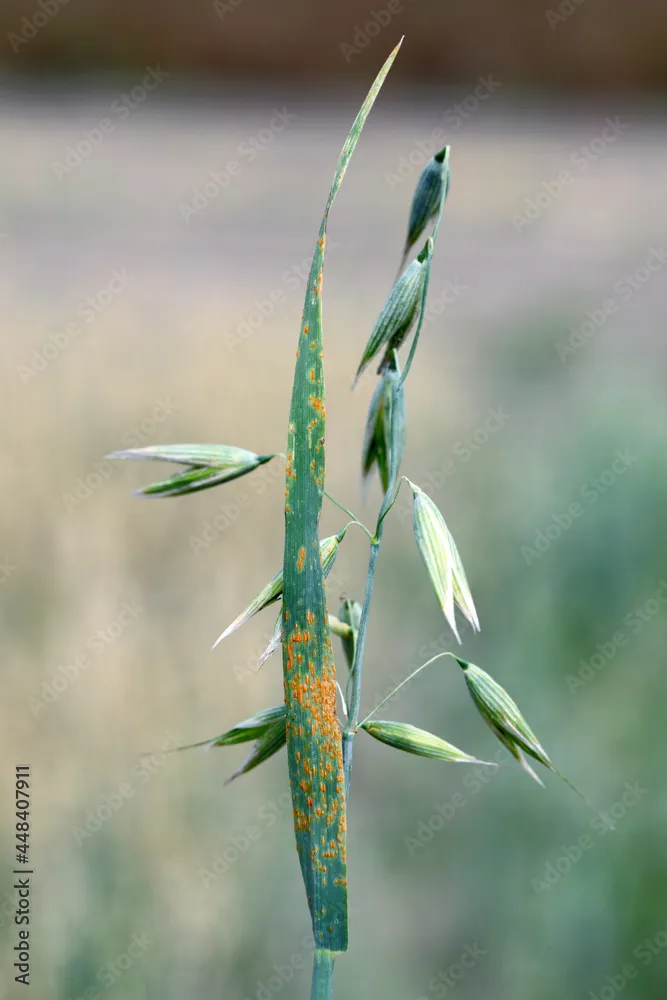
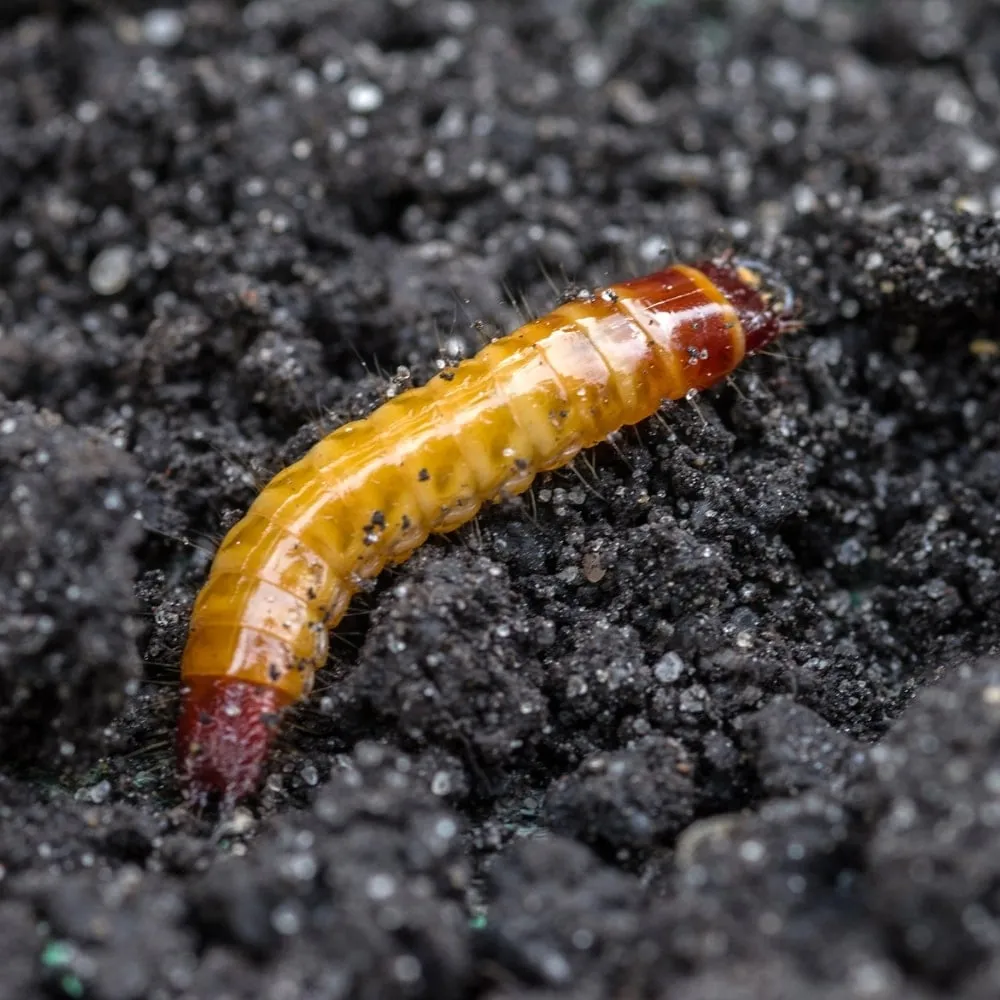
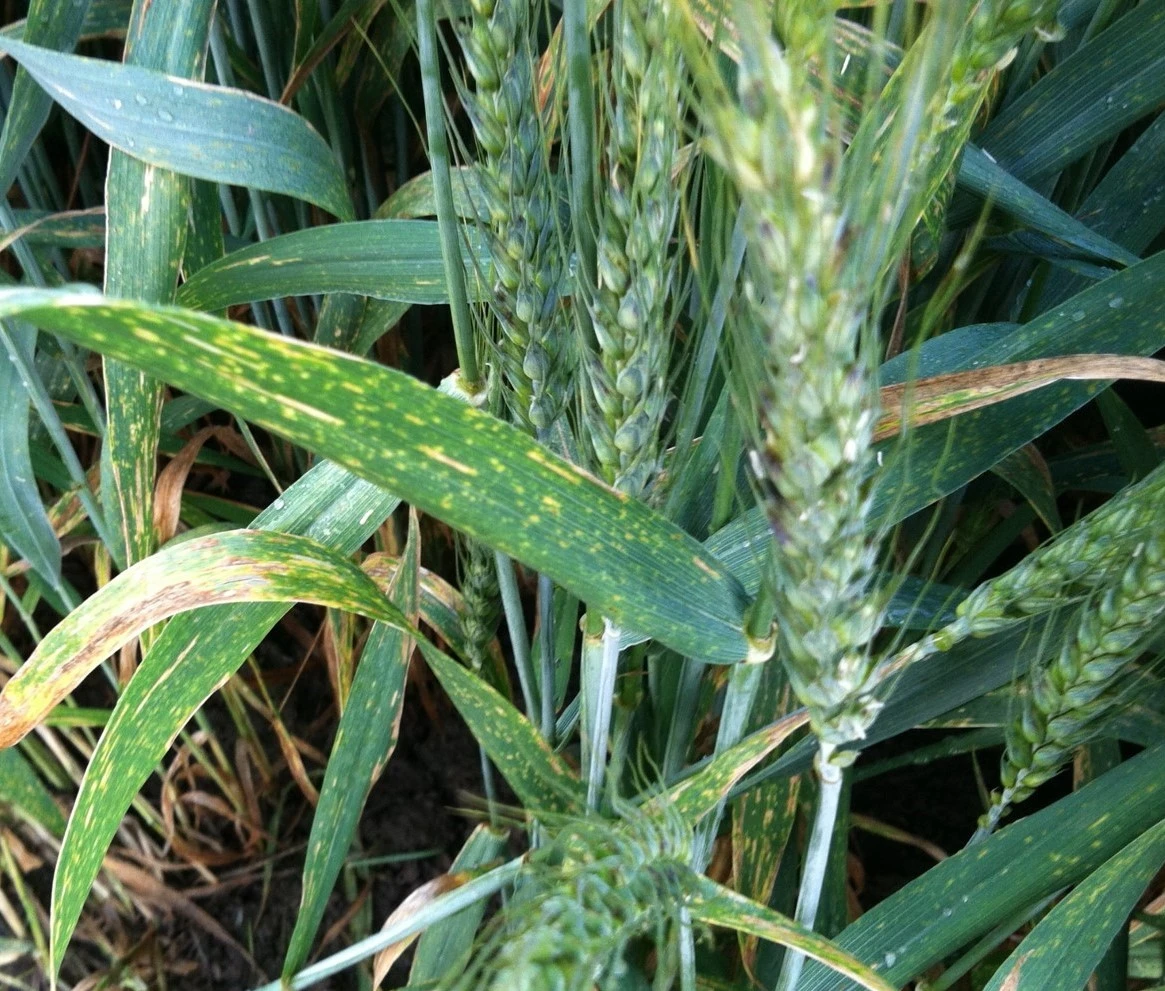
Recommended diagnostics based on crop family and symptoms:
Remedy Disclaimer & Safety Notice
This disease guide is for educational screening purposes only. Pathogen behavior, severity, and host susceptibility can vary dramatically based on seed variety, weather conditions, and regional microclimates. Chemical pesticides and organic treatments are subject to strict regional environmental regulations and registration mandates. Please verify all chemical registrations and review manufacturer safety labels carefully with local certified agronomists or agricultural extension service offices before applying.