
Wireworm
Agriotes spp.
About Wireworm
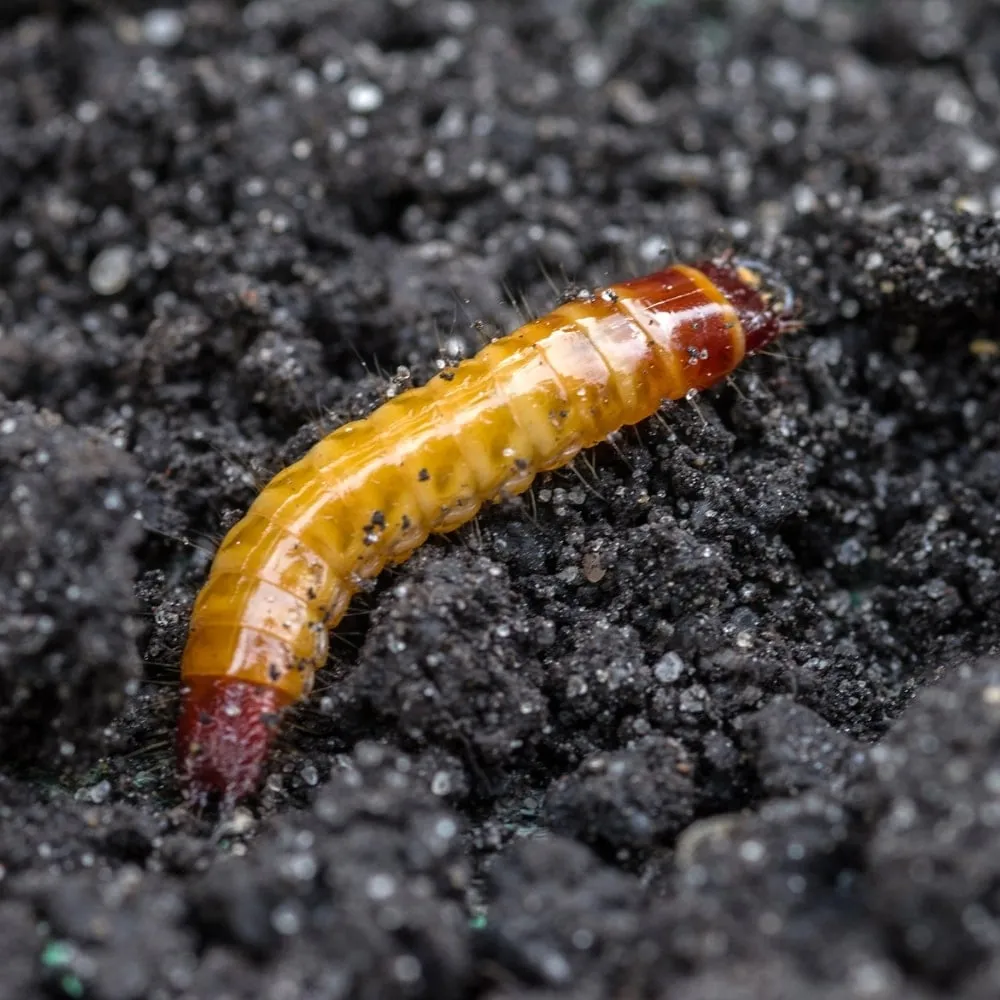
The Wireworm (primarily Agriotes spp.) is a highly destructive soil-dwelling agricultural insect pest representing the larval stage of click beetles belonging to the beetle family Elateridae. Distributed worldwide, these tough subterranean pests are major threats to a vast range of crops, particularly root vegetables like potatoes and carrots, sweet corn, and small grain cereals. The larvae are easily distinguished by their long, highly cylindrical, wire-like bodies that are exceptionally hard, shiny, and colored golden-yellow to orange-brown. Wireworms spend several years underground, chewing through seeds, boring into stems, and tunneling through tubers, causing substantial economic losses in agriculture.
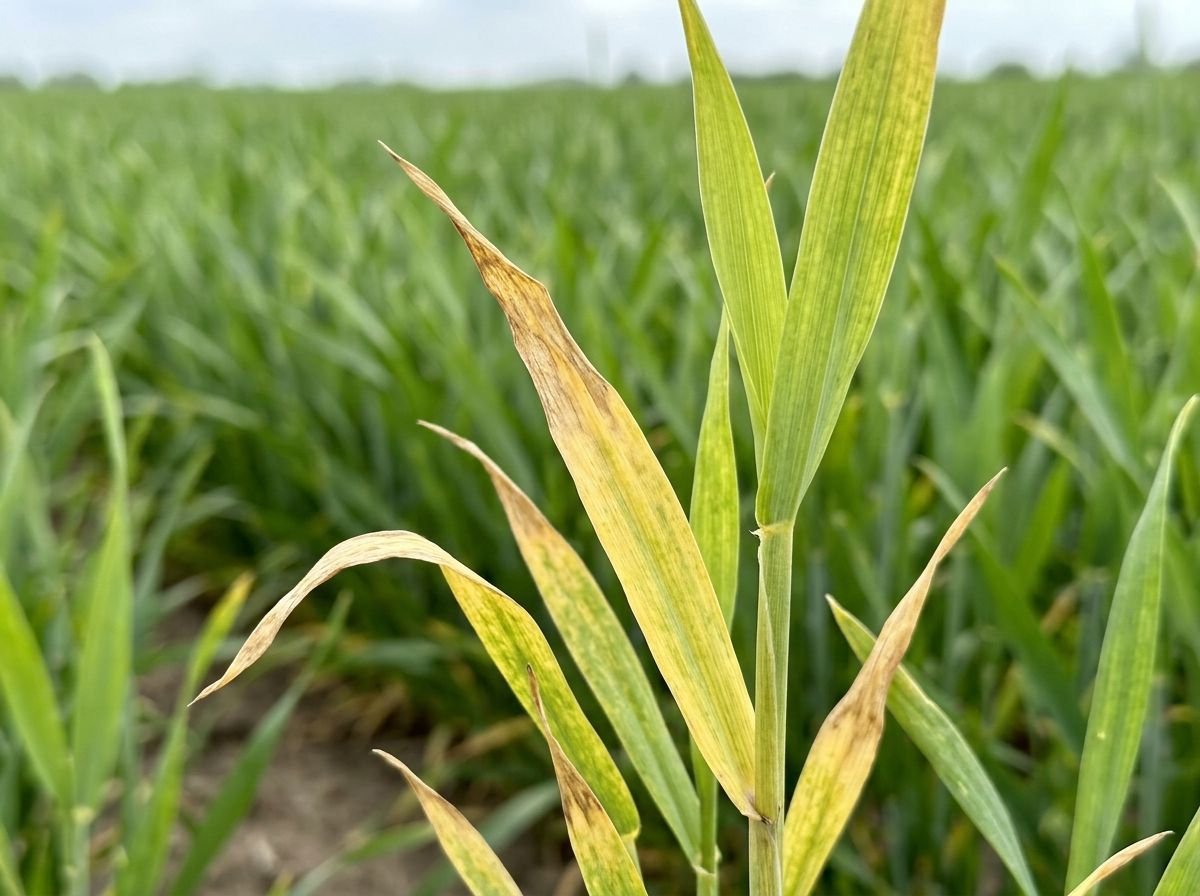
Identifying a Wireworm infestation requires inspecting seeds, plant bases, and underground tubers. Above-ground symptoms appear as poor germination, sudden patchy seedling death (damping-off), or stunting. When young corn or grain crops are attacked, the central leaves wilt and turn brown. Underground, look for deep, narrow, circular tunnel holes bored into potato tubers, carrots, or flower bulbs, often filled with rot-inducing bacteria. In newly planted fields, digging will reveal the hard, shiny yellow worms actively feeding inside germinating seeds or chewing directly on the root crowns.
Wireworms have an exceptionally long life cycle, living in the soil for 2 to 6 years. Adult click beetles lay eggs in moist grassy soils in late spring. The hatched larvae feed constantly, moving vertically in the soil profile: they migrate upward to feed in cool, damp spring and autumn conditions (10°C to 20°C) and burrow deep (up to 24 inches) to survive extreme summer heat and winter freezes. They pupate in late summer, emerging as adults the following spring.
| Crop/Plant Type | Severity Rating | Impact Description |
|---|---|---|
| Potatoes & Carrots | Extreme (⭐⭐⭐) | Deep circular boring tunnels, introducing rot and ruining harvest |
| Corn & Wheat Seeds | High (⭐⭐) | Hollowed seeds, stand reduction, and early seedling death |
| Gladiolus & Dahlias | Medium (⭐) | Boring into flower bulbs and corms, causing growth stunts |
Successful control of Wireworms focuses on soil preparation and bait trapping. Natural methods involve burying potato bait traps, planting biofumigant mustard cover crops, and deep plowing. Chemical control includes treating seeds with fipronil or applying bifenthrin granules into crop planting furrows. For complete agricultural insect guidelines, visit our Plant Disease Identifier Hub, or explore related threat profiles like White Grub, Stem Borer, and Rust Disease.
Taxonomy & Features
- Shiny Wire Body: Larvae have highly cylindrical, rigid, yellow-orange bodies that feel tough and wire-like.
- Years of Tunneling: Larvae reside and feed in the soil for 2 to 6 years, making them highly persistent threats.
- Deep Potato Boring: Chews clean, circular, narrow tunnels deep into potatoes and carrots, inviting rot.
- Vertical Migration: Migrates up to feed in cool damp months and travels deep down to survive extreme heat and cold.
- Seed Hollowing Havoc: Chews out the interior of germinating crop seeds, causing severe germination failures.
- Adult Click Behavior: Mature beetles feature a mechanical joint that allows them to snap and flip upright with a click.
Seasonal Outbreak Calendar
Outbreak risk and activity timeline for Wireworm based on seasonal climate patterns:
Names in Different Languages
Affected Plant Species
Vegetables & Crops
- Potatoes
- Carrots
- Sweet Corn
- Onions
- Beets
- Turnips
Flowers & Ornamentals
- Dahlias
- Gladiolus
- Tulips
- Chrysanthemums
Fruits & Berries
- Strawberries
- Melon Seedlings
Prevention & Cure
Natural & Organic Methods
- Potato Traps: Bury potato halves 4 inches deep with a stick marker, digging them up every 3 days to collect and destroy gathered wireworms.
- Mustard Cover Crops: Plant biofumigant mustard crops which release natural toxic glucosinolates into the soil when chopped and incorporated.
- Frequent Cultivation: Till the soil repeatedly in late autumn and spring to damage wireworms and expose them to birds.
- Entomopathogenic Fungi: Apply Metarhizium anisopliae spore suspensions to infect and kill soil-dwelling wireworms organically.
Chemical & Professional Control
- Fipronil Seed Treatment: Treat crop seeds with fipronil to protect emerging roots from tunneling wireworm larvae.
- Bifenthrin Soil Spray: Apply bifenthrin or tefluthrin granules directly into planting furrows at planting time.
- Chlorpyrifos Drench: Apply chlorpyrifos drenches in professional agriculture where heavy wireworm damage is historically predicted.
Frequently Asked Questions
What do wireworms look like?
Wireworms are slender, cylindrical, hard-bodied, jointed larvae that are yellow-to-orange-brown and have a shiny, smooth, wire-like appearance, growing up to 1 to 1.5 inches.
What are click beetles?
Click beetles are the adult form of wireworms. They get their name from their ability to make a distinct 'clicking' sound and snap their bodies in the air to flip upright when placed on their backs.
Why are wireworms so difficult to manage?
Wireworms can live in the soil for 2 to 6 years as active feeding larvae, migrating vertically up and down in response to temperature and moisture, making them highly resilient.
Recommended diagnostics based on crop family and symptoms:
Remedy Disclaimer & Safety Notice
This disease guide is for educational screening purposes only. Pathogen behavior, severity, and host susceptibility can vary dramatically based on seed variety, weather conditions, and regional microclimates. Chemical pesticides and organic treatments are subject to strict regional environmental regulations and registration mandates. Please verify all chemical registrations and review manufacturer safety labels carefully with local certified agronomists or agricultural extension service offices before applying.