
Botrytis Mold
Botrytis cinerea
About Botrytis Mold
Botrytis cinerea (commonly known as grey mold or noble rot) is an aggressive, necrotrophic airborne fungus belonging to the phylum Ascomycota. It targets an exceptionally broad range of plant hosts—exceeding 200 species globally—disrupting both outdoor agricultural crops and greenhouse nurseries. As a prominent member of the Sclerotiniaceae family, Botrytis operates by releasing cell-killing enzymes and toxins that rapidly break down host plant tissue, resulting in quick soft rot. It can destroy flowers, foliage, stems, and ripening fruits within days, making it one of the most economically devastating fungal pathogens in global horticulture and viticulture.
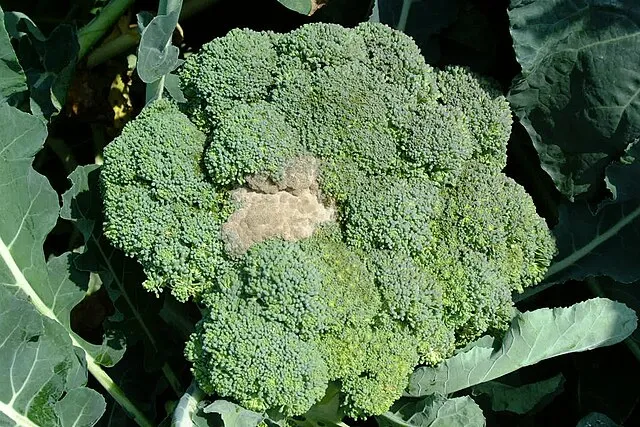
Identifying a Botrytis infestation is direct due to its signature visual markers and fuzzy growths. The most prominent symptom is a soft, watery brown rot followed by a characteristic fuzzy, dusty ash-grey or light-brown mold blanketed over decaying flower buds, leaves, or fruit. On fruits like strawberries, grapes, and raspberries, it starts as a localized brown spot that rapidly expands into a mushy, mold-covered mess. Stems develop dark, sunken lesions or cankers that can girdle and kill upper branches. Our diagnostic identification photograph captures the dense grey conidiophores of Botrytis cinerea releasing powdery dust-like spores upon contact with delicate rose petals.
The life cycle of Botrytis cinerea is highly prolific. The fungus overwinters as tough, black resting bodies (sclerotia) in soil and plant debris, or as dormant mycelium. Under cool, damp conditions in spring, these structures produce millions of microscopic spores (conidia) that are easily spread by wind, water splash, and human handling. Infection is rapid, requiring cool temperatures between 15-23°C (60-74°F) and high relative humidity above 90% with prolonged leaf wetness.
| Crop / Plant Type | Severity Rating | Damage Symptoms |
|---|---|---|
| Soft Fruits (Strawberries, Grapes, Raspberries) | Extreme (⭐⭐⭐) | Complete fruit rot, fuzzy gray covering, mushy ruins |
| Ornamentals (Roses, Lilies, Peonies) | High (⭐⭐) | Blossom blight, brown leaf spots, bud rot |
| Vegetables (Tomatoes, Peppers, Onions) | Medium (⭐) | Stem cankers, ghost spots on fruit, foliar wilt |
Managing Botrytis requires a robust combination of home organic and professional methods. For organic control, spray plants thoroughly with insecticidal soap, cold-pressed neem oil, or potassium bicarbonate solutions to create an alkaline surface hostile to spores. Releasing beneficial bio-fungicides like *Bacillus subtilis* helps outcompete the fungus. For professional applications, chemical control is achieved using targeted active ingredients like fenhexamid, fludioxonil, or cyprodinil during early flowering. Prevent infections by maintaining wide spacing for airflow, watering solely at the base, and removing dead flowers. For further crop protection advice, consult our Plant Disease Identifier Hub, or explore guides on Peach Leaf Curl, Brown Rot, and Early Blight.
Taxonomy & Features
- Fuzzy Grey Growth: Develops a distinctive, thick, dusty ash-grey or tan mold blanket on decaying flowers and fruits.
- Rapid Soft Fruit Rot: Siphons moisture and nutrients, turning strawberries and grapes into mushy, moldy ruins.
- Damp Climate Activist: Requires water films or high humidity to germinate and infect, peaking in temperatures of 15-23°C.
- Durable Sclerotia: Overwinters as tough, weather-resistant black resting structures in soil and infected plant debris.
- Blossom Blight: Easily enters plants through aging flower petals, causing blossoms to turn brown and rot prematurely.
- Basal Irrigation Defense: Best prevented by avoiding overhead watering and maintaining wide spacing for leaf-drying airflow.
Seasonal Outbreak Calendar
Outbreak risk and activity timeline for Botrytis Mold based on seasonal climate patterns:
Names in Different Languages
Affected Plant Species
Vegetables & Crops
- Tomato
- Pepper
- Onion
- Lettuce
- Cucumber
- Bean
Flowers & Ornamentals
- Roses
- Lilies
- Peonies
- Geraniums
- Begonias
- Dahlias
Fruits & Berries
- Strawberry
- Grape
- Raspberry
- Blackberry
- Blueberry
- Fig
Prevention & Cure
Natural & Organic Methods
- Potassium Bicarbonate: Spray with potassium bicarbonate solutions to shift leaf surface pH and inhibit spore germination.
- Neem Oil: Apply organic cold-pressed neem oil to leaves and flower buds to form a natural protective barrier against fungal hyphae.
- Bacillus subtilis: Apply commercial bio-fungicides containing Bacillus subtilis to actively outcompete and suppress Botrytis mycelium.
- Debris Sanitation: Rake and destroy all fallen leaves, spent flowers, and rotting fruit to eliminate overwintering sclerotia.
Chemical & Professional Control
- Fenhexamid: Apply as a highly specific protectant fungicide during early flower bloom to prevent fruit infections.
- Fludioxonil: Thoroughly spray crops to target fungal respiration and prevent spore development under high-risk conditions.
- Cyprodinil: Use as an effective systemic treatment to stop early fungal penetration and control stem cankers.
Frequently Asked Questions
What is 'noble rot' and how does it relate to Botrytis?
Noble rot is a beneficial form of Botrytis cinerea infection on wine grapes. Under specific warm, dry afternoon conditions, the fungus partially dries the grapes, concentrating sugars and acids to create highly prized, sweet dessert wines.
How can I tell the difference between Botrytis and Powdery Mildew?
Botrytis creates a thick, fuzzy, dusty grey-to-brown mold mostly on rotting fruits, stems, and decaying flowers. Powdery Mildew appears as a dry, flat, white-to-light-grey powdery coating solely on the upper surfaces of active green leaves.
Does Botrytis require physical wounds to infect plants?
No, while physical wounds from pruning, insects, or wind make infection easier, Botrytis cinerea can directly penetrate healthy tissues. It commonly enters plants through delicate, aging flower petals or direct contact with wet leaf surfaces.
Recommended diagnostics based on crop family and symptoms:
Remedy Disclaimer & Safety Notice
This disease guide is for educational screening purposes only. Pathogen behavior, severity, and host susceptibility can vary dramatically based on seed variety, weather conditions, and regional microclimates. Chemical pesticides and organic treatments are subject to strict regional environmental regulations and registration mandates. Please verify all chemical registrations and review manufacturer safety labels carefully with local certified agronomists or agricultural extension service offices before applying.