
Stem Borer
Chilo partellus, Scirpophaga incertulas
About Stem Borer
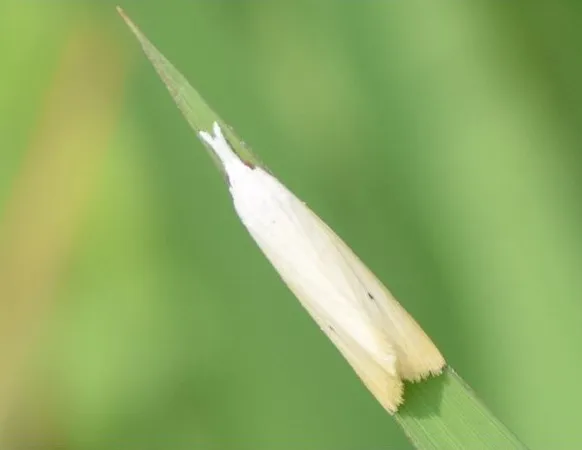
The Stem Borer (primarily Chilo partellus, the Spotted Stem Borer, and Scirpophaga incertulas, the Yellow Stem Borer) is a major, highly destructive agricultural caterpillar pest belonging to the moth family Crambidae. This internal feeder specializes in targeting graminaceous crops, particularly rice, maize (corn), sorghum, and sugarcane. The adult moths are small, straw-colored, and active at night, while the caterpillars are pale yellow or white with dark heads. Because the larval caterpillars feed exclusively inside the stalks of plants, they are shielded from most external predators and standard topical chemical contact sprays. They hollow out stems, cut off essential sap flow, and cause catastrophic crop failures across Asia and Africa.
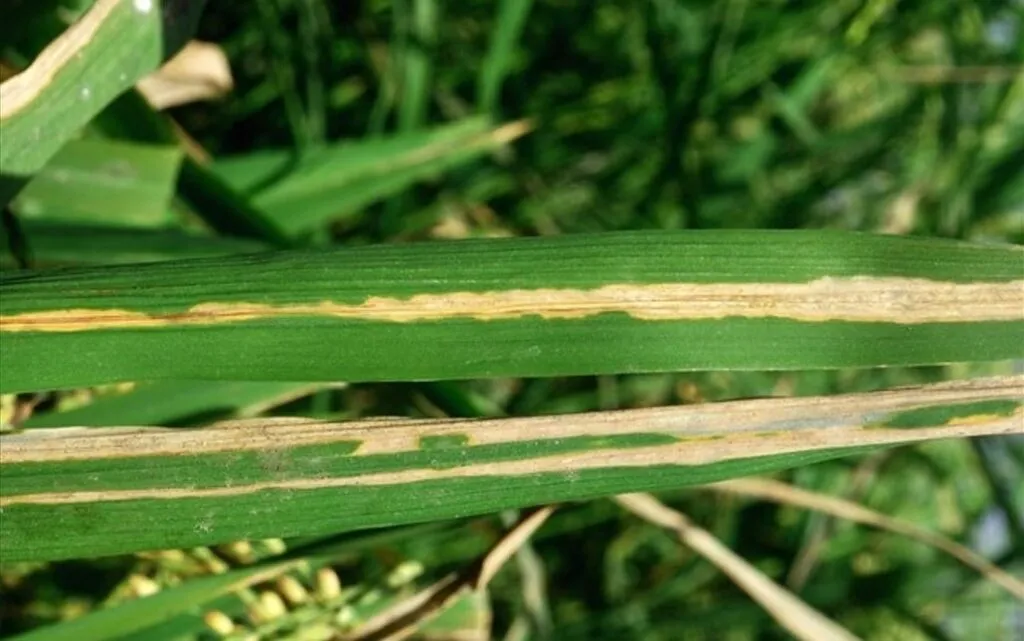
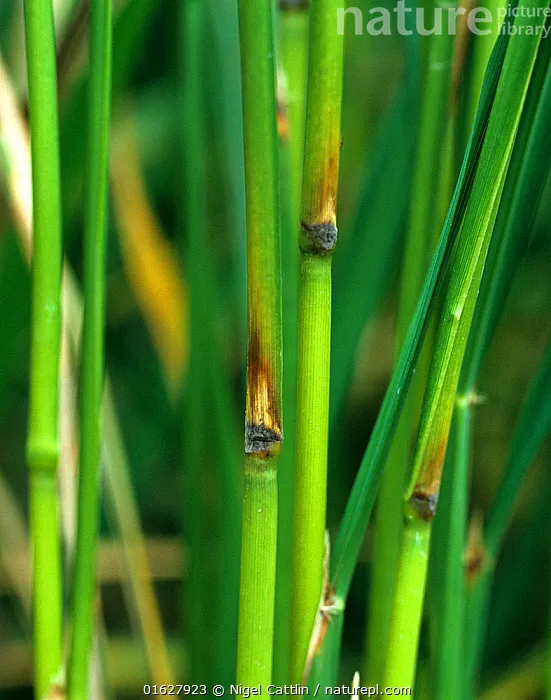
Identifying a Stem Borer infestation involves checking the central whorl and main stems of grass-like crops. Early symptoms include tiny pinholes or parallel lines of feeding holes across emerging leaves. As the caterpillars tunnel deeper, they sever the vascular tissue, causing the central leaf whorl to wilt, dry, and turn brown—a diagnostic symptom known as 'dead heart'. In maturing rice plants, boring during panicle emergence causes the seed heads to emerge empty, dry, and bleached-white, known as 'whitehead'. Look for small entry holes at the base of stems, plugged with powdery, light-brown sawdust-like frass (feces). Stalks will feel soft and easily snap under wind pressure.
Stem Borers thrive in high-humidity, warm environments (25°C to 33°C). Female moths lay flat, scale-like clusters of 100–300 eggs on the undersides of leaves. Larvae hatch in 6 days, crawl down to bore into the stalk, and tunnel for 3 to 4 weeks. They then chew a small circular exit hole before pupating inside the hollow stem. The entire cycle completes in 35 to 50 days. Diapause allows larvae to hibernate inside overwinter stubble, emerging as adult moths in the spring to trigger new cycles.
| Crop/Plant Type | Severity Rating | Impact Description |
|---|---|---|
| Rice Crops | Extreme (⭐⭐⭐) | Whiteheads, massive lodging (falling stalks) & empty grain heads |
| Maize & Sweet Corn | High (⭐⭐) | Dead hearts, weak stalks prone to wind breakage, ruined ears |
| Sugarcane & Sorghum | Medium (⭐) | Internode tunneling, reduced sugar yields, yellowed foliage |
Successful control of Stem Borer requires a combination of early preventive and systemic treatments. Natural management relies on releasing Trichogramma egg-parasitoid wasps, installing pheromone traps, and deep plowing post-harvest stubble to destroy overwintering larvae. Chemical methods are highly effective when applying systemic granules like chlorantraniliprole or fipronil into crop whorls or soil water, killing tunneling larvae from within. For comprehensive agricultural disease guides, visit our Plant Disease Identifier Hub, or explore related threat profiles like White Grub, Wireworm, and Rust Disease, and our diagnostic Garden Pest Classification Guide.
Taxonomy & Features
- Dead Heart Collapse: Larval chewing severs central leaf whorl vascular supply, causing it to brown and die.
- Empty Whitehead Rice: Boring during heading stages halts sap, causing empty, dry, bleached white grain heads.
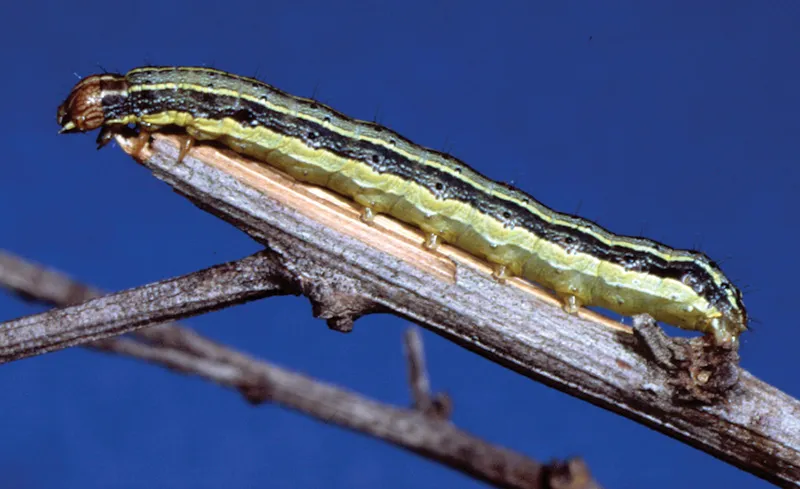
- Hollow Tunneling Larvae: White-to-pinkish caterpillars tunnel extensively inside stems, weakening the physical structure.
- Stubble Hibernation: Overwinters successfully inside old agricultural crop residues and stubbles through dry seasons.
- Sawdust Frass Plugs: Entry/exit holes on stalks are plugged with sticky, sawdust-like powdery fecal deposits.
- Internal Shelter Defense: Larvae stay entirely inside stems, protecting themselves from contact chemical sprays.
Seasonal Outbreak Calendar
Outbreak risk and activity timeline for Stem Borer based on seasonal climate patterns:
Names in Different Languages
Affected Plant Species
Vegetables & Crops
- Sweet Corn
- Sorghum
- Sugar Cane
Flowers & Ornamentals
- Pampas Grass
- Large Ornamental Sedges
- Canna Lilies
Fruits & Berries
- Rice
- Wild Rice
Prevention & Cure
Natural & Organic Methods
- Trichogramma Wasps: Release parasitic Trichogramma wasps during early crop cycles to destroy stem borer eggs before hatching.
- Pheromone Traps: Place female sex pheromone traps throughout fields to trap adult male moths and disrupt mating cycles.
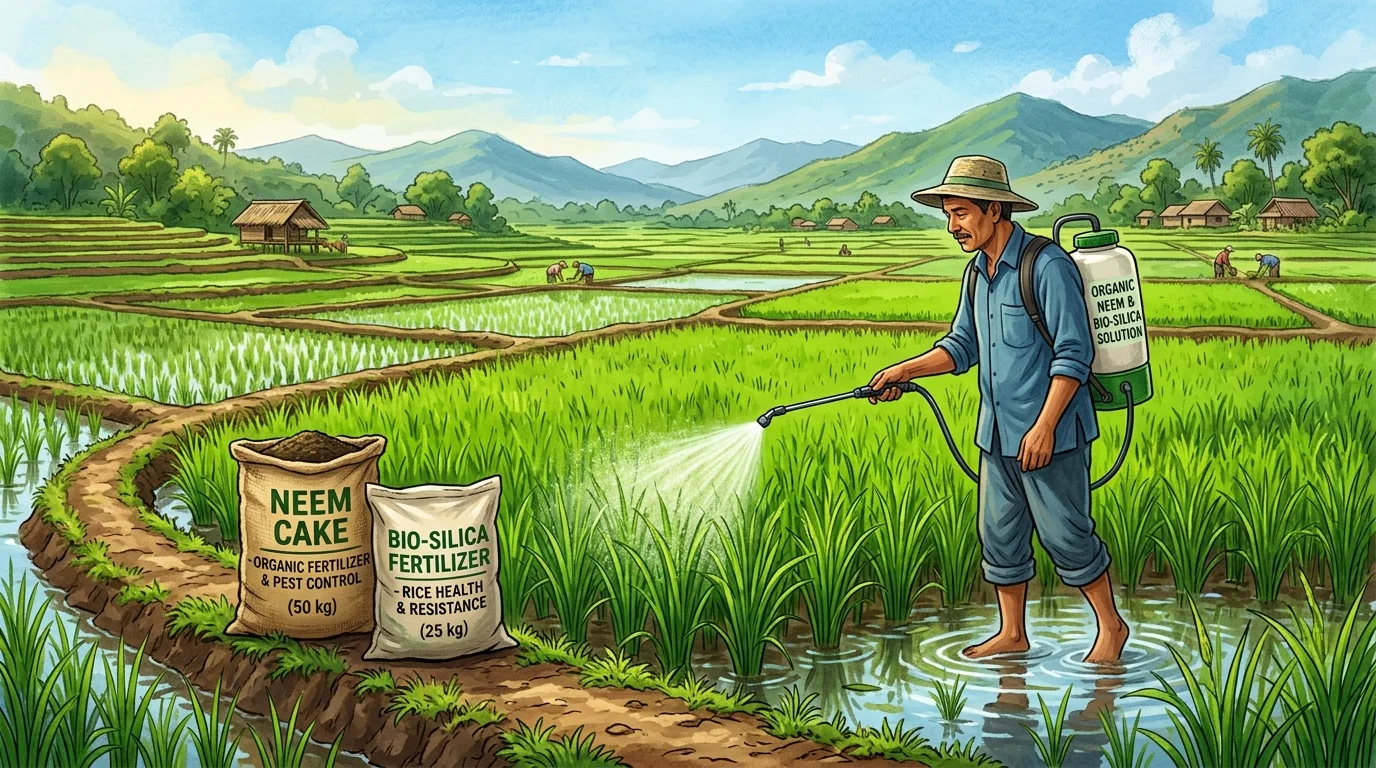
- Neem Seed Extract: Apply 5% neem seed kernel extract (NSKE) on young crops to deter egg-laying and larval boring activity.
- Crop Residue Burning: Deep plow or clear and burn infected stubble post-harvest to destroy hibernating larvae inside stems.
Chemical & Professional Control
- Chlorantraniliprole Granules: Apply systemic chlorantraniliprole granules (like Ferterra) in soil or crop whorls for long-lasting borer protection.
- Fipronil Granules: Apply fipronil 0.3G granules to standing water or soil around young plants to control tunneling larvae.
- Cartap Hydrochloride: Apply cartap hydrochloride systemic dusts to provide fast knockdown of internal stem-boring caterpillars.
Frequently Asked Questions
What is 'dead heart' in crops affected by Stem Borers?
'Dead heart' is a classic symptom where the central growing shoot of a grass or cereal crop turns brown, dries up, and dies because larval tunneling has severed its vascular connections.
What is 'whitehead' in rice crops?
'Whitehead' occurs when larvae bore into the stem during the panicle emergence stage, cutting off nutrient flow and leaving the seed head empty, bleached white, and grainless.
How do Stem Borer larvae enter the plant?
After hatching on the leaves, young larvae crawl down the plant and bore directly into the stem or central whorl, sealing the entry hole with silk and frass to feed safely inside.
Recommended diagnostics based on crop family and symptoms:
Remedy Disclaimer & Safety Notice
This disease guide is for educational screening purposes only. Pathogen behavior, severity, and host susceptibility can vary dramatically based on seed variety, weather conditions, and regional microclimates. Chemical pesticides and organic treatments are subject to strict regional environmental regulations and registration mandates. Please verify all chemical registrations and review manufacturer safety labels carefully with local certified agronomists or agricultural extension service offices before applying.