
Verticillium Wilt
Verticillium dahliae, Verticillium albo-atrum
About Verticillium Wilt
Verticillium Wilt is a highly destructive soil-borne fungal disease caused by the ascomycete pathogens *Verticillium dahliae* and *Verticillium albo-atrum*. This vascular parasite represents a severe threat to over 350 species of plants, including vegetables, fruit trees, and ornamental shrubs. The fungus enters through the roots and invades the xylem vessels, multiplying and physically blocking the flow of water and nutrients, which results in systemic wilting and eventual plant decline.
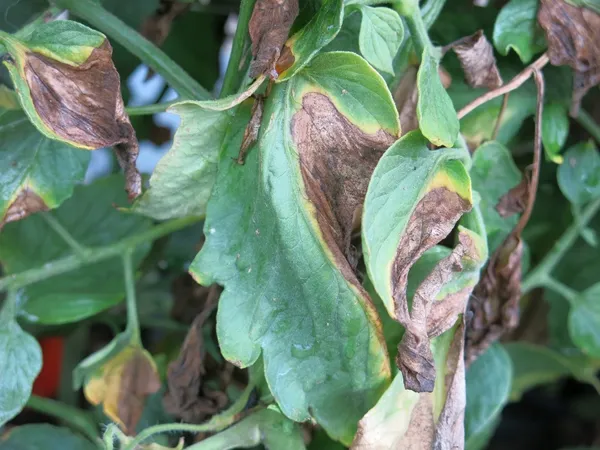
Identifying Verticillium wilt requires observing foliar symptoms and checking internal wood. The classic symptom is "one-sided wilting," where branches on only one side of a plant wilt and turn yellow while the other side remains healthy. Leaf margins turn yellow, curl, and die back, forming distinct V-shaped lesions. When the stem is cut open, a diagnostic dark brown discoloration of the outer wood (xylem ring) is revealed.
Verticillium targets high-value solanaceous vegetables and woody ornamentals.
| Crop/Plant Type | Severity Rating | Impact Description |
|---|---|---|
| Potatoes & Tomatoes | Extreme (⭐⭐⭐) | Sudden wilting, V-shaped foliar chlorosis, vascular ring browning, and significant yield loss |
| Strawberries & Raspberries | High (⭐⭐) | Outer leaf collapse, stunting, runner death, and blackening crown rot |
| Maples & Elms (Shade Trees) | High (⭐⭐) | Branch dieback, wood staining, premature leaf drop, and slow death over several seasons |
Management focuses on prevention and crop rotation, as the fungus forms tough micro-sclerotia that survive in the soil for over a decade. Sowing certified disease-free seed and resistant cultivars is critical. Soil solarization during summer helps reduce fungal spores. For advanced vascular wilt guides, visit our Plant Disease Identifier Hub, or explore related threat profiles like Fusarium Wilt, Bacterial Wilt, and Root Rot.
Taxonomy & Features
- One-Sided Branch Wilting: Wilting and yellowing affect branches on only one side of the plant, leaving the rest green.
- V-Shaped Leaf Lesions: Yellowing starts at leaf margins and progresses inward in a characteristic V-shape.
- Vascular Wood Browning: Scraping back bark or splitting stems reveals dark brown streaking in the xylem rings.
- Soil Micro-Sclerotia: Produces dark, tough survival structures that remain dormant in soil for up to 15 years.
- Xylem Clogging: Fungal mycelium physically plugs the plant's water-conducting vessels, causing dehydration.
- Broad Host Range: Attacks a massive variety of dicotyledonous crops, making crop rotation challenging.
Seasonal Outbreak Calendar
Outbreak risk and activity timeline for Verticillium Wilt based on seasonal climate patterns:
Names in Different Languages
Affected Plant Species
Vegetables & Crops
- Potato
- Tomato
- Eggplant
- Pepper
- Cucumber
- Melon
Flowers & Ornamentals
- Dahlia
- Chrysanthemum
- Rose
- Sunflower
- Geranium
Fruits & Berries
- Strawberry
- Raspberry
- Blackberry
- Peach
- Plum
- Maple
Prevention & Cure
Natural & Organic Methods
- Resistant Cultivars: Plant crop varieties certified with a "V" (e.g., VFN tomatoes) for genetic resistance.
- Soil Solarization: Cover moist soil with clear plastic sheet during peak summer heat to kill soil-borne pathogens.
- Sanitation: Sterilize pruning tools with 10% bleach between plants, and remove and burn dead crop debris.
Chemical & Professional Control
- Soil Fumigation: Commercial pre-planting soil treatment with chloropicrin or metam sodium.
- Fungicide Root Drenches: Apply systemic fungicides like thiophanate-methyl to soils of container plants to suppress symptoms.
- Bio-Fungicides: Apply Trichoderma harzianum to colonize roots and prevent Verticillium colonization.
Frequently Asked Questions
Can I cure a plant that has Verticillium Wilt?
No. Once the fungus enters the vascular system, there is no chemical cure. Management focuses on pruning infected branches, proper watering, and fertilizing to prolong tree life.
How do I distinguish Verticillium Wilt from Fusarium Wilt?
Both cause vascular browning. Verticillium wilt thrives in cooler soil temperatures (13°C to 22°C) and has a broader host range. Fusarium wilt prefers hot summer temperatures (over 28°C) and is highly host-specific.
How does the fungus spread?
Verticillium spreads through contaminated soil, runoff water, infected planting stock, and micro-sclerotia carried on tools or footwear.
Recommended diagnostics based on crop family and symptoms:
Remedy Disclaimer & Safety Notice
This disease guide is for educational screening purposes only. Pathogen behavior, severity, and host susceptibility can vary dramatically based on seed variety, weather conditions, and regional microclimates. Chemical pesticides and organic treatments are subject to strict regional environmental regulations and registration mandates. Please verify all chemical registrations and review manufacturer safety labels carefully with local certified agronomists or agricultural extension service offices before applying.