
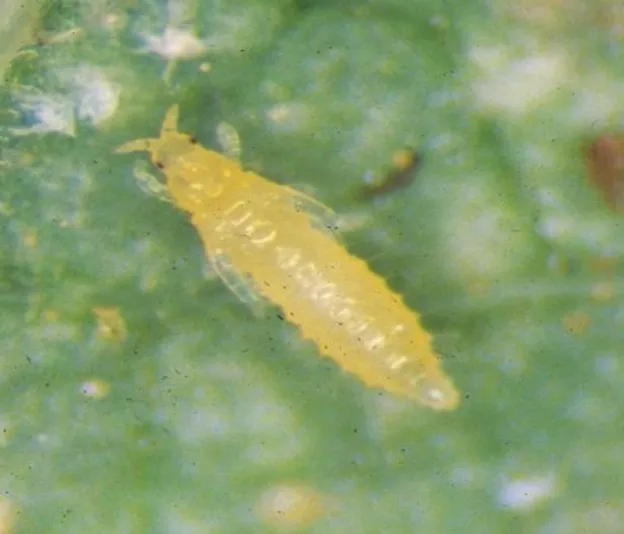
Thrips
Thrips spp. (Thysanoptera)
About Thrips
Thrips (order Thysanoptera) are tiny, slender, fringe-winged insects that represent a major global threat to agriculture, horticulture, and floriculture. With thousands of species—most notably the Western Flower Thrips (*Frankliniella occidentalis*) and Onion Thrips (*Thrips tabaci*)—these minute pests damage plants using unique piercing-sucking mouthparts. They pierce the outer epidermal layer of leaves, petals, and fruits, and suck out the underlying cell contents. This feeding pattern causes plant tissue to fill with air, leaving behind a characteristic silvery-white scar, reducing photosynthesis, distorting new growth, and introducing devastating viral pathogens.
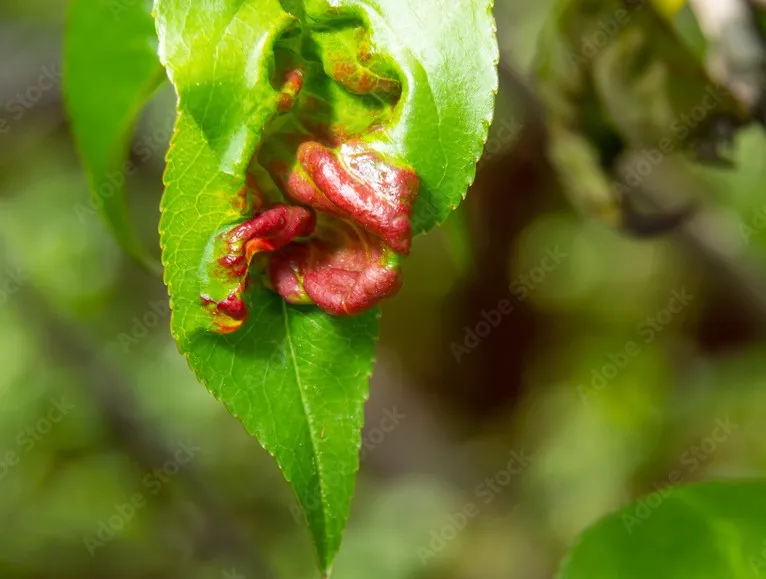
Identifying a thrips infestation early requires close inspection of leaf undersides, flower buds, and growing tips, as these tiny pests are barely visible to the naked eye. Infested foliage displays distinct silvery, bleached streaks or patches peppered with tiny, shiny black drops of fecal matter. Under feeding stress, leaves and petals become severely puckered, deformed, and curled upward. Thrips themselves are extremely slender, pencil-like insects measuring 0.5 to 2 mm, varying in color from translucent yellow and amber to dark brown. When disturbed, they can be seen crawling rapidly or jumping across flower petals.
Thrips are highly prolific in warm, dry climates with low humidity, where their reproductive cycle accelerates to blinding speeds. Female thrips use a saw-like ovipositor to insert up to 80 eggs directly into plant tissue, shielding them from insecticides. Hatching nymphs feed actively through two stages before dropping to the soil or leaf litter to pupate.
| Affected Crops / Flowers | Severity Rating | Damage Symptoms |
|---|---|---|
| Roses, Carnations, Orchids | Extreme (⭐⭐⭐) | Brown petal edges, distorted blooms & bud drop |
| Onions, Garlic, Peppers | Extreme (⭐⭐⭐) | Silvery leaves, premature drying, TSWV virus spread |
| Cucumbers, Tomatoes, Citrus | High (⭐⭐) | Corky scarring on fruit skin, leaf stippling |
Managing thrips requires an integrated approach because they reproduce rapidly and quickly develop resistance to chemical sprays. Control begins with deploying blue sticky cards (which are highly attractive to thrips) to monitor and trap adult flyers. For organic control, regular foliar sprays of Spinosad, neem oil, or insecticidal soap are highly effective when targeted to leaf undersides and flowers. Releasing predatory mites (*Amblyseius swirskii*) or minute pirate bugs (*Orius*) provides excellent biological suppression. For advanced pest-management strategies, browse our Plant Disease Identifier Hub, or read related guides on Aphids, Spider Mites, and Lace Bugs, and our comprehensive Garden Pest Classification Guide.
Taxonomy & Features
- Fringed Feather Wings: Adults possess unique, feather-like fringed wings under magnification, allowing them to drift on wind currents over vast distances.
- Silvery Scar Feeding: Feeding ruptures host epidermal cells, causing empty cells to fill with air, leaving a highly diagnostic silvery-grey shine.
- Black Frass Specks: Leaf and flower feeding sites are consistently peppered with tiny, varnished-black droplets of insect fecal deposit (frass).
- Lethal Virus Vector: Highly efficient vectors for destructive plant viruses, most notably Tomato Spotted Wilt Virus (TSWV) and Iris Yellow Spot Virus.
- Rapid Thrip Shuffling: When flower petals are pulled back, thrips display a diagnostic rapid lateral shuffling to hide from direct light.
- Blue Sticky Attractant: Uniquely attracted to the blue visual spectrum; blue sticky cards trap adult thrips far better than standard yellow cards.
Seasonal Outbreak Calendar
Outbreak risk and activity timeline for Thrips based on seasonal climate patterns:
Names in Different Languages
Affected Plant Species
Vegetables & Crops
- Onion (Highly susceptible)
- Garlic
- Chili Pepper
- Tomato
- Cucumber
- Eggplant
Flowers & Ornamentals
- Roses (Highly susceptible)
- Gladiolus
- Orchids
- Carnations
- Gerberas
- Marigolds
Fruits & Berries
- Citrus (Orange, Lemon)
- Grapes
- Strawberries
- Blueberries
- Avocados
Prevention & Cure
Natural & Organic Methods
- Blue Sticky Cards: Hang blue sticky cards just above the plant canopy to trap adults and monitor flights.
- Reflective Mulch: Use silver or aluminum-colored reflective mulches to confuse flying thrips and prevent them from landing.
- Beneficial Predators: Release minute pirate bugs (Orius spp.) or predatory mites (Amblyseius cucumeris) directly into foliage.
- Insecticidal Soap: Spray foliage undersides thoroughly with potassium soap to dissolve nymphs' fragile waxy coating.
Chemical & Professional Control
- Spinosad Sprays: Apply Spinosad-based formulas as a highly effective, low-toxicity bacterial spray.
- Systemic Acetamiprid: Apply systemically to protect new tender vegetative growth from thrip rasping damage.
- Horticultural Oils: Use 1-2% lightweight mineral oils to suffocate thrip nymphs and prevent egg-laying.
Frequently Asked Questions
Why are blue sticky traps recommended for thrips instead of yellow ones?
While many flying pests are attracted to yellow, thrips possess photoreceptors that make them uniquely and intensely attracted to the bright blue color spectrum. Hanging blue sticky traps will capture significantly more thrips and serve as a highly accurate early-warning system.
Can thrips transmit diseases to my garden?
Yes, thrips are notorious vectors for highly destructive plant viruses. Most notably, they transmit the Tomato Spotted Wilt Virus (TSWV) and Iris Yellow Spot Virus (IYSV). They inject the virus into plant cells through their saliva while feeding, which can quickly ruin an entire crop.
How do I distinguish thrip damage from spider mite damage?
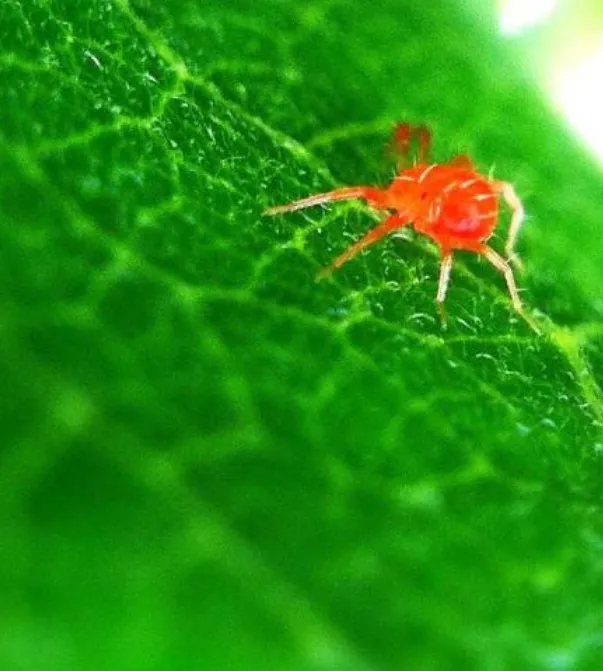
Spider mite damage appears as tiny yellow speckles (stippling) and is accompanied by fine silken webbing on leaf undersides. Thrip damage looks like larger, shiny silvery-white streaks or patches, often accompanied by tiny, glossy black specks of fecal droppings, without any webbing.
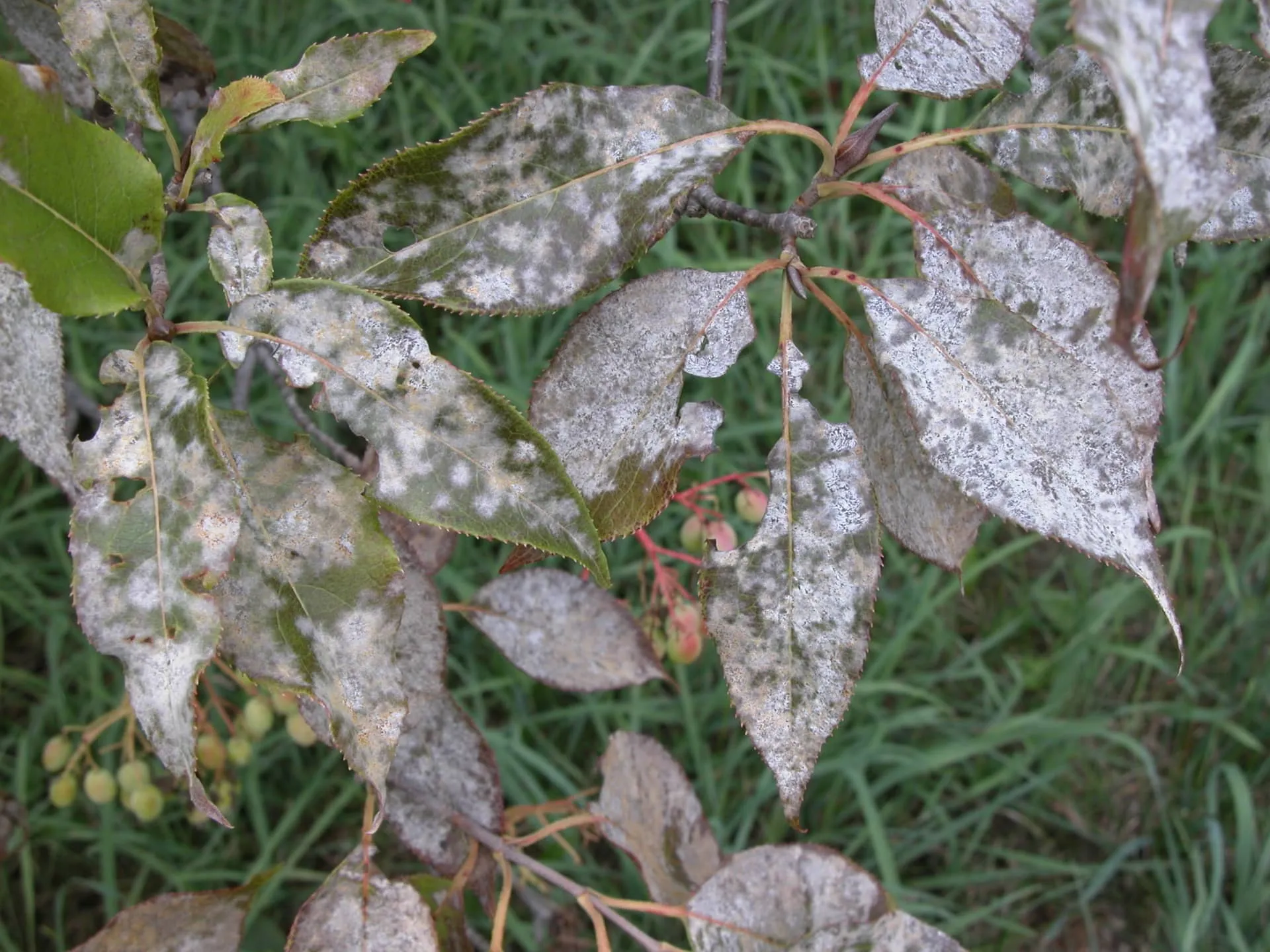
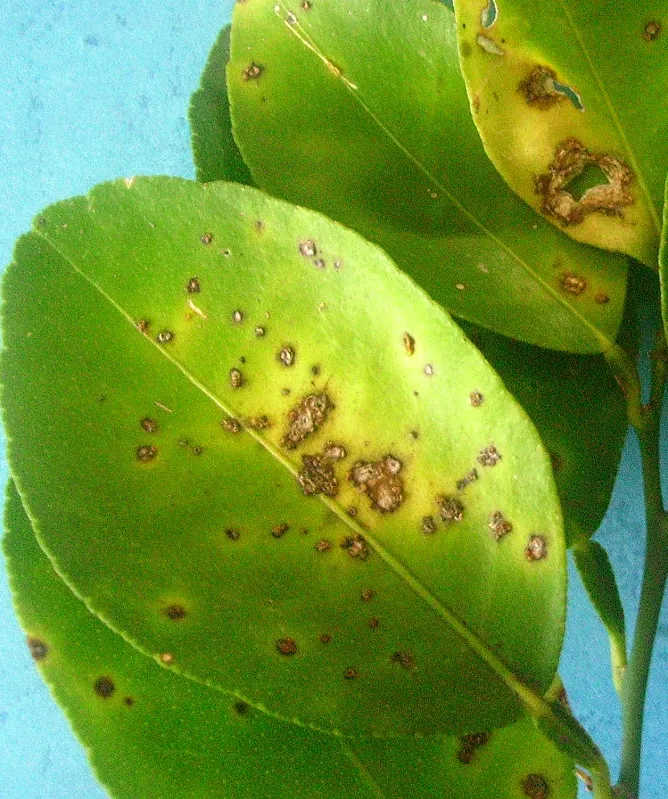
Recommended diagnostics based on crop family and symptoms:
Remedy Disclaimer & Safety Notice
This disease guide is for educational screening purposes only. Pathogen behavior, severity, and host susceptibility can vary dramatically based on seed variety, weather conditions, and regional microclimates. Chemical pesticides and organic treatments are subject to strict regional environmental regulations and registration mandates. Please verify all chemical registrations and review manufacturer safety labels carefully with local certified agronomists or agricultural extension service offices before applying.