
Fungus Gnat
Culicidae Fungorum (Sciaridae spp.)
About Fungus Gnat
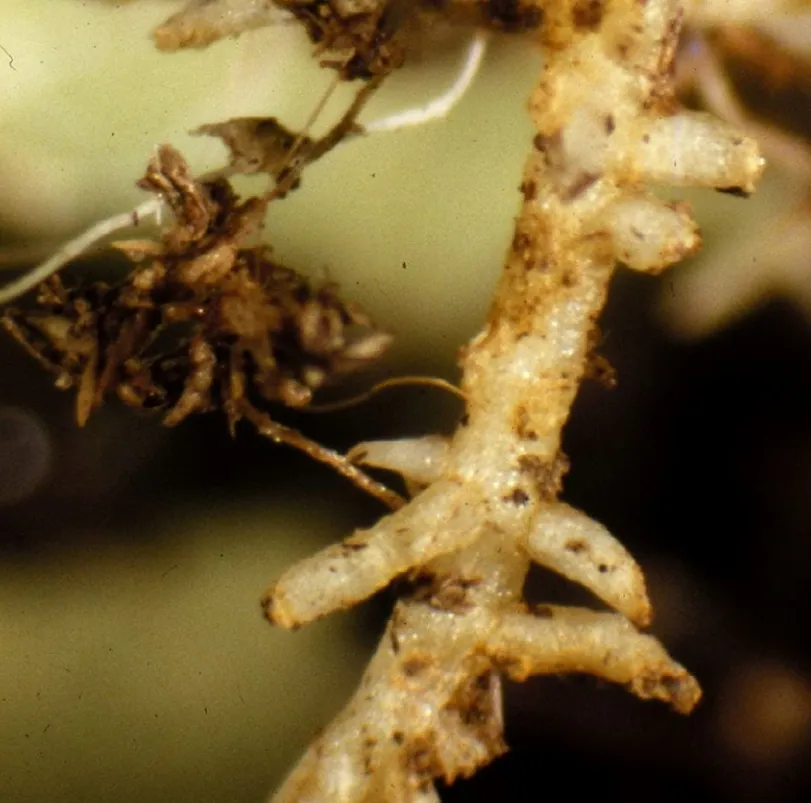
Fungus gnats (superfamily Sciaroidea, primarily families Sciaridae and Mycetophilidae) are small, delicate, dark-bodied insects resembling miniature mosquitoes. Although adult gnats are primarily a cosmetic nuisance as they flutter close to the soil surface or houseplants, their subterranean larvae represent a severe, unseen threat to seedlings, cuttings, and young root systems. The larval stage consists of legless, translucent white maggots with distinctive shiny black head capsules. By actively feeding on soil fungi, algae, organic debris, and delicate root hairs, fungus gnat larvae can destroy root structures, stunt vegetative growth, and act as vectors for lethal root-rotting pathogens like Pythium and Fusarium.
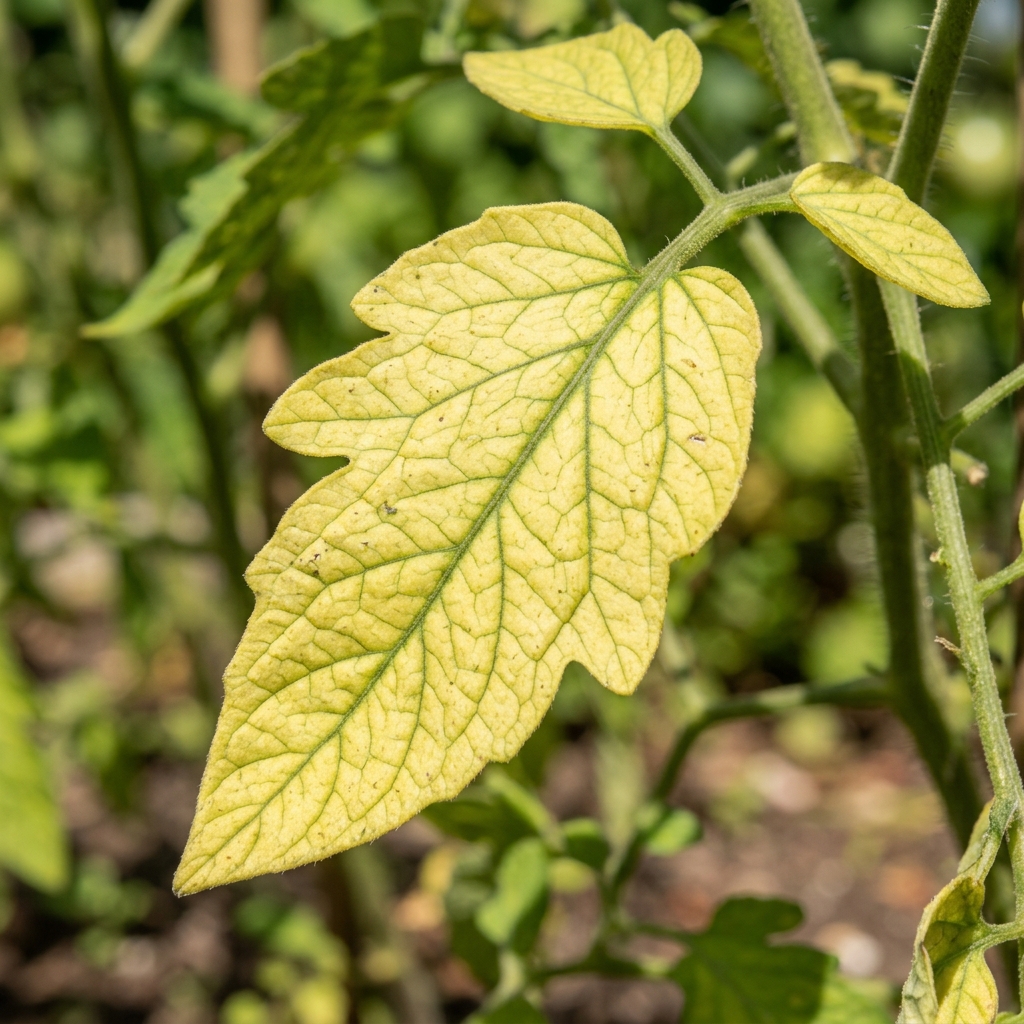
Identifying a fungus gnat infestation involves observing both above-ground and below-ground symptoms. The most obvious indicator is the presence of tiny, erratic-flying dark flies (2–4 mm) hovering around the base of plants or resting on container rims. Below-ground inspection of moist potting soil will reveal thin, translucent larvae with black heads growing up to 6 mm. Above-ground foliage symptoms of affected plants mirror nutrient deficiencies: leaves show generalized yellowing (chlorosis), sudden wilting despite wet soil, and severely stunted growth. In seedling trays, young plants may experience 'damping-off' where they collapse at the soil line due to root damage.
Fungus gnats thrive in moist, cool, high-organic environments (15°C to 24°C) with low air circulation, making greenhouses and indoor container plants highly susceptible. The female gnat lays 200–300 eggs in wet soil cracks, which hatch into larvae within 4 days, feeding for 2 weeks before pupating. Under favorable conditions, the entire life cycle completes in 18 to 21 days, leading to exponential population explosions.
| Crop/Plant Type | Severity Rating | Impact Description |
|---|---|---|
| Seedlings & Starter Plugs | Extreme (⭐⭐⭐) | Rapid root destruction & damping off |
| African Violets, Poinsettias | High (⭐⭐) | Yellowing, root decay & leaf drop |
| Culinary Herbs (Mint, Basil) | Medium (⭐) | Stunted growth, reduced leaf yields |
Effective management of fungus gnats begins with reducing soil moisture—allowing the top 2 inches of soil to dry completely between waterings is the single most effective cultural control. For organic management, applying *Bacillus thuringiensis israelensis* (Bti) or beneficial predatory nematodes (*Steinernema feltiae*) to the soil specifically targets and kills the larvae. Yellow sticky cards can be placed horizontally on the soil surface to trap adult gnats and break the breeding cycle. Chemical drench treatments containing active ingredients like pyrethrins or systemic imidacloprid can be used in non-edible ornamentals for extreme infestations. For further guidance on soil-borne pests, check our Plant Disease Identifier Hub, or explore related threat profiles like Root-Knot Nematodes, Thrips, and Spider Mites.
Taxonomy & Features
- Root-Feeding Maggots: Larvae feed directly on fragile root hairs, stripping plants of their primary water and nutrient-absorbing structures.
- Damping-Off Vector: Larvae actively spread spores of pathogenic fungi like Pythium and Phytophthora as they tunnel between root systems.
- Soil-Surface Swarming: Adults swarm in dense clouds directly over over-saturated, algae-rich soil media, serving as an instant visual alert.
- Moisture-Loving Lifecycle: Thrives in high-humidity climates with soil mix that is consistently waterlogged or lacks proper drainage.
- Rapid Population Boom: Generations go from egg to winged adult in as little as 17 days at standard indoor room temperatures.
- Beneficial Soil Nematodes: Soil drenches using predatory Steinernema nematodes provide 90%+ natural control of gnat maggots without chemicals.
Seasonal Outbreak Calendar
Outbreak risk and activity timeline for Fungus Gnat based on seasonal climate patterns:
Names in Different Languages
Affected Plant Species
Vegetables & Crops
- Cucumber Seedlings
- Tomato Seedlings
- Lettuce Plugs
- Mushrooms
- Herbs
Flowers & Ornamentals
- African Violets
- Poinsettias
- Geraniums
- Carnations
- Lilies
- Cyclamen
Fruits & Berries
- Strawberry Runners
- Melon Seedlings
- Citrus Liners
- Fig Cuttings
Prevention & Cure
Natural & Organic Methods
- Dry Out Soil: Allow the top 1.5 to 2 inches of potting medium to dry out completely before irrigating again.
- Bti Drench: Drench infected soil with Bacillus thuringiensis israelensis (Bti) which selectively destroys gnat larvae stomachs.
- Beneficial Nematodes: Apply Steinernema feltiae predatory nematodes to seek out and consume gnat maggots in the soil.
- Sticky Traps: Place yellow sticky traps flat at soil level to capture flying egg-laying adult females.
Chemical & Professional Control
- Pyrethrin Drenches: Apply standard pyrethrin formulations directly to soil to instantly knock down dense larval infestations.
- Systemic Imidacloprid: Treat non-edible foliage ornamentals to kill feeding larvae through systemic root intake.
- Bifenthrin Barrier: Spray around container bases and soil rims to create a protective barrier against emerging adults.
Frequently Asked Questions
Do fungus gnat adults bite humans or pets?
No. Adult fungus gnats do not have biting mouthparts and are completely harmless to humans and domestic animals. They are simply a nuisance when flying around indoor spaces.
How can I tell fungus gnats apart from fruit flies?
Fungus gnats are slender, black-bodied, and hover directly over moist potting soil. Fruit flies are tan-to-brown, rounder, have bright red eyes, and congregate around decaying fruit, trash, or sweet liquids.
Will sand on top of soil kill fungus gnats?
Yes, adding a 1/2-inch layer of clean, coarse sand or aquarium gravel on top of your potting soil acts as a dry physical barrier that prevents adult gnats from laying eggs and stops larvae from emerging.
Recommended diagnostics based on crop family and symptoms:
Remedy Disclaimer & Safety Notice
This disease guide is for educational screening purposes only. Pathogen behavior, severity, and host susceptibility can vary dramatically based on seed variety, weather conditions, and regional microclimates. Chemical pesticides and organic treatments are subject to strict regional environmental regulations and registration mandates. Please verify all chemical registrations and review manufacturer safety labels carefully with local certified agronomists or agricultural extension service offices before applying.