
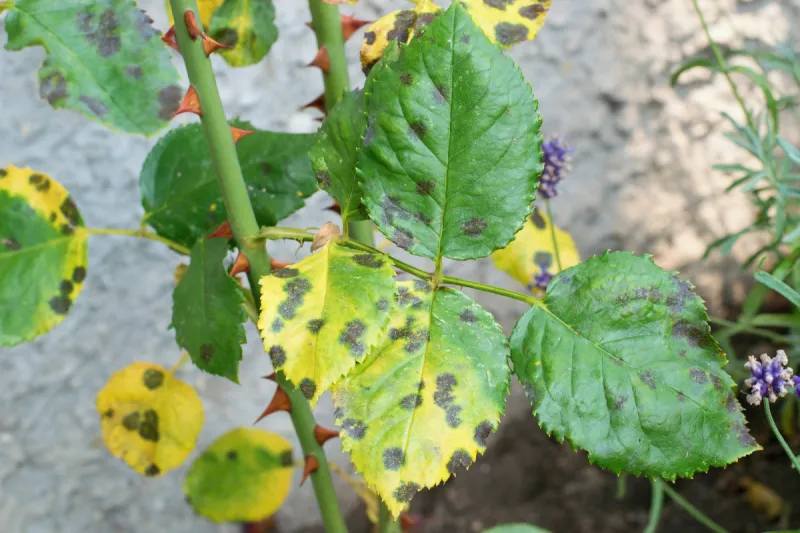
Downy Mildew Disease
Plasmopara viticola, Peronospora spp., Pseudoperonospora cubensis
About Downy Mildew Disease
Downy mildew refers to a highly destructive group of plant diseases caused by specialized oomycetes, or water molds, within the family Peronosporaceae. Although they resemble fungi in appearance and behavior, oomycetes are biologically more closely related to brown algae than true fungi. This group of pathogens represents one of the most significant threats to global agriculture and home gardens alike, affecting a massive variety of host plants ranging from popular vegetables like cucumbers, squash, spinach, and onions to ornamental flowers. It thrives in cool, wet, and highly humid environments, where it can spread with alarming speed through entire crop fields and greenhouses.
The disease is characterized by a distinctive 'downy' or fuzzy growth that typically appears on the undersides of leaves. This growth consists of sporangiophores—specialized branching stalks that release millions of microscopic spores. On the upper surface of the leaves, the infection manifests as angular, pale-green to bright yellow spots that are often strictly bounded by the leaf veins. As the disease progresses, these spots become necrotic and turn dark brown, eventually leading to premature leaf drop, which significantly weakens the plant and reduces fruit quality and yield.
The life cycle of downy mildew is heavily dependent on free water and wet leaf surfaces. The pathogen overwinters as thick-walled oospores in fallen leaves and soil, which can survive for several years. When spring rains arrive and temperatures stay between 15°C and 23°C (59°F to 73°F), these oospores germinate and produce sporangia, which are splashed by rain or carried by wind to new host tissue.
| Affected Crop / Family | Severity Rating | Damage Symptoms |
|---|---|---|
| Grapes (Vitaceae) | Extreme (⭐⭐⭐) | Fuzzy leaf rot, shriveled brown fruit, total defoliation |
| Cucurbits (Cucumbers, Melons) | Extreme (⭐⭐⭐) | Angular yellow lesions, rapid vine drying, reduced yield |
| Onions & Spinach (Amaranthaceae) | High (⭐⭐) | Pale violet fuzzy growth, twisted stems, unmarketable leaves |
Managing downy mildew requires an integrated strategy focused on moisture control and protective treatments. Since the pathogen requires high humidity and leaf wetness, cultural practices such as drip irrigation and wide plant spacing to improve airflow are the first line of defense. For many crops, particularly grapes and cucurbits, growers must rely on regular applications of copper-based or systemic fungicides during periods of high risk. Early detection is vital, as the disease is much easier to prevent than to cure once it becomes systemic. For further agricultural disease guides, check our Plant Disease Identifier Hub, or explore our guides on Powdery Mildew, Early Blight, and Late Blight.
Please note that the general Downy Mildew disease covers a broad family of oomycetes (such as *Peronospora* and *Pseudoperonospora*) that affect diverse host families (such as brassicas, cucurbits, and spinach). However, Grape Downy Mildew is caused exclusively by the host-specific pathogen *Plasmopara viticola*, which targets grapevines and has its own separate profile page. For specialized vineyard diagnostics and treatments, see our dedicated guide on Grape Downy Mildew.
Taxonomy & Features
- Fuzzy Underside Growth: White, gray, or purple 'downy' fungal-like growth appearing on the lower surface of infected leaves.
- Angular Yellow Spots: Pale green to bright yellow lesions on the upper leaf surface, often strictly bounded by the leaf veins.
- Necrotic Browning: As the infection matures, the yellow spots turn brown and the leaf tissue dies (necrosis), leading to leaf curl.
- Systemic Stunting: In some species, the infection becomes systemic, causing the entire plant to appear stunted, distorted, and chlorotic.
- Fruit Disturbance: While primarily a leaf disease, it can directly infect fruit (like grapes), causing them to shrivel, turn brown, and drop.
- Moisture Dependency: Symptoms rapidly escalate during periods of high humidity, heavy dew, or frequent rainfall.
- Broad Crop Range: General downy mildew represents multiple oomycete genera (Peronospora, Pseudoperonospora, Bremia) infecting a vast range of garden crops like brassicas, spinach, basil, onions, and cucurbits.
Seasonal Outbreak Calendar
Outbreak risk and activity timeline for Downy Mildew Disease based on seasonal climate patterns:
Names in Different Languages
Affected Plant Species
Vegetables & Crops
- Cucumber
- Squash
- Melon
- Spinach
- Lettuce
- Onion
- Cabbage (Broccoli)
Flowers & Ornamentals
- Impatiens (Walleriana)
- Roses
- Sunflowers
- Pansies
- Snapdragons
- Sweet Alyssum
Fruits & Berries
- Grapes (Primary host)
- Blackberries
- Raspberries
- Strawberries
Prevention & Cure
Natural & Organic Methods
- Moisture Management: Avoid overhead watering; use drip irrigation to keep foliage dry and reduce the window for spore germination.
- Increased Airflow: Increase plant spacing and prune dense canopies to promote rapid drying of leaves after rain or dew.
- Copper-Based Sprays: Apply organic-approved copper fungicides as a protective barrier before rainy periods begin.
- Resistant Cultivars: Select and plant varieties specifically bred for downy mildew resistance, especially for grapes and cucumbers.
- Sanitation: Remove and destroy all plant debris at the end of the season to eliminate overwintering oospores in the soil.
Chemical & Professional Control
- Mancozeb & Chlorothalonil: Use as broad-spectrum protective fungicides to prevent spore attachment and germination.
- Systemic Oomyceticides: Apply Metalaxyl or Mefenoxam (Ridomil) which can penetrate plant tissue to combat systemic infections.
- Phosphonates: Use potassium salts of phosphorous acid to boost the plant's natural defense mechanisms and suppress fungal growth.
Frequently Asked Questions
How can I tell Downy Mildew apart from Powdery Mildew?
Powdery mildew looks like white flour on the upper leaf surface and thrives in dry, humid conditions. Downy mildew is fuzzy, usually found on the leaf underside, and requires actual water/rain to spread.
Is it safe to eat vegetables from a plant with downy mildew?
Yes, the oomycete is not harmful to humans. However, the quality, flavor, and shelf life of the vegetables (especially cucumbers and melons) will be significantly reduced.
Can downy mildew spread in my greenhouse?
Yes, greenhouses are high-risk environments due to potential high humidity and stagnant air. Proper ventilation and humidity control are the most important preventive measures.
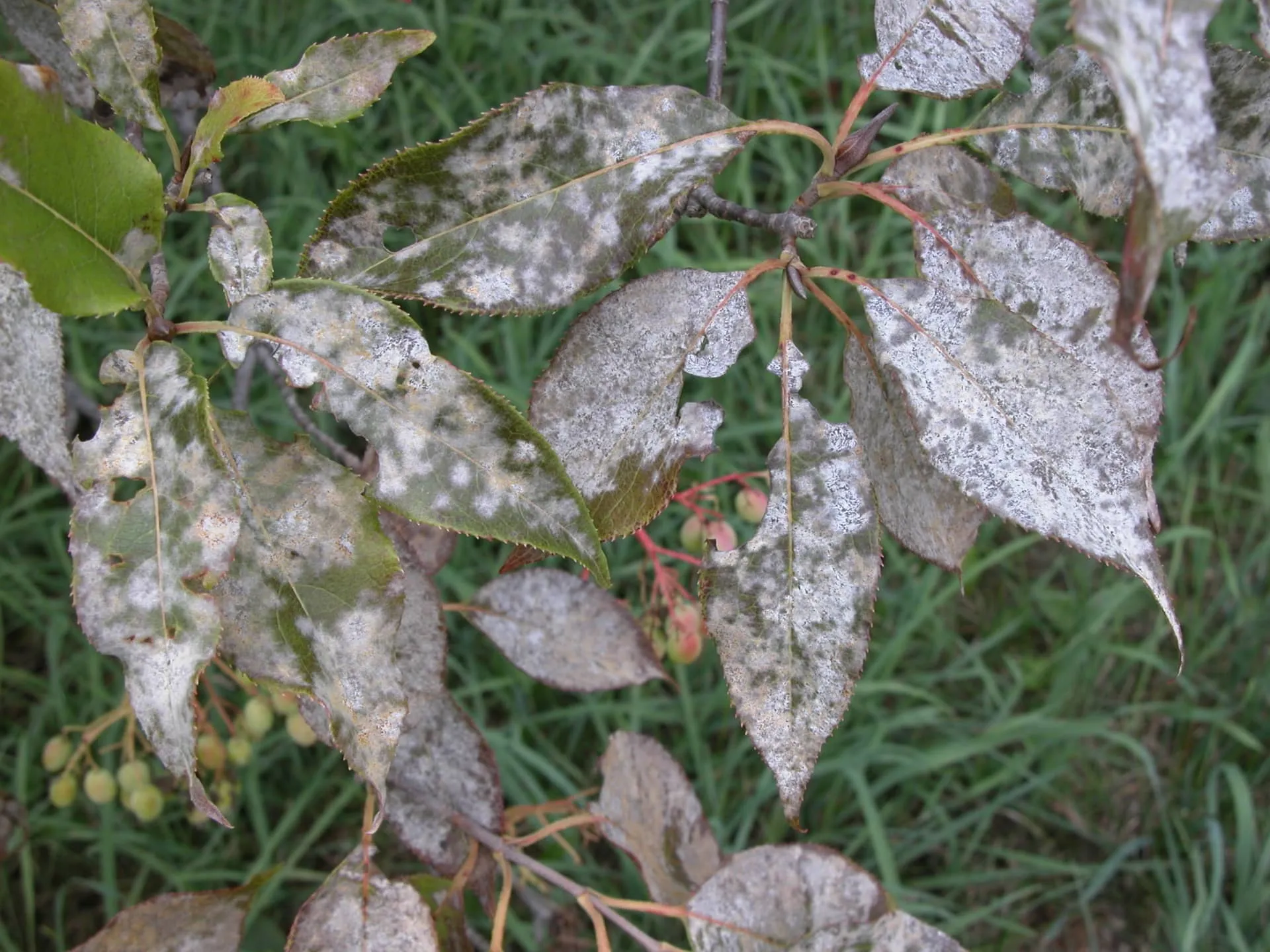
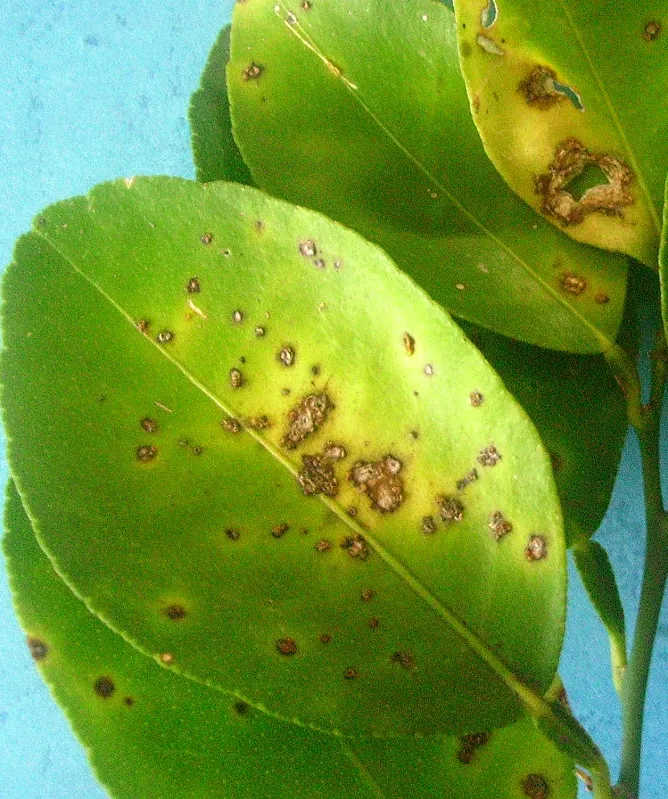
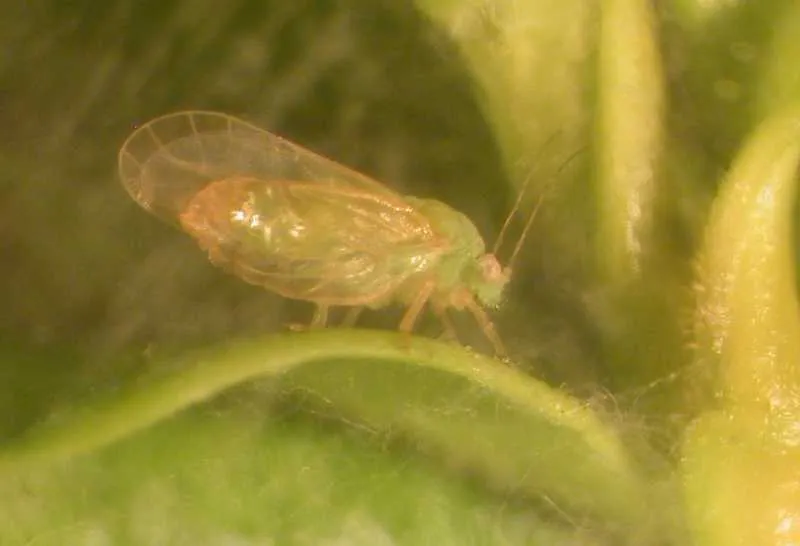
Recommended diagnostics based on crop family and symptoms:
Remedy Disclaimer & Safety Notice
This disease guide is for educational screening purposes only. Pathogen behavior, severity, and host susceptibility can vary dramatically based on seed variety, weather conditions, and regional microclimates. Chemical pesticides and organic treatments are subject to strict regional environmental regulations and registration mandates. Please verify all chemical registrations and review manufacturer safety labels carefully with local certified agronomists or agricultural extension service offices before applying.