
Cabbage Worm
Pieris rapae
About Cabbage Worm
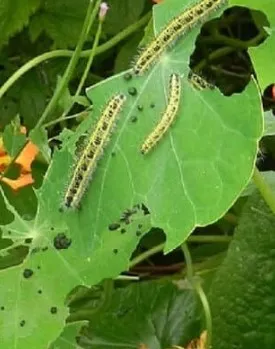
The Cabbage Worm (primarily *Pieris rapae*, also known as the imported cabbageworm) is the larval stage of the common small white butterfly, belonging to the family Pieridae of the order Lepidoptera. This highly destructive caterpillar pest represents a severe threat to cruciferous crops (family Brassicaceae) globally, including cabbage, broccoli, kale, and cauliflower. The adult butterfly is white with small black spots on its wings, which is a common sight in summer gardens. Although the butterflies feed harmlessly on flower nectar, they lay eggs that hatch into soft, velvety-green, slow-moving caterpillars with faint yellow lines. These caterpillars possess chewing mouthparts designed to devour plant foliage with alarming speed.
Identifying cabbage worm damage is straightforward because they leave highly visible marks on host crops. Early symptoms include small, irregular holes chewed on the undersides of leaves. As the caterpillars mature (growing up to 30 mm), they chew large, jagged holes, often leaving only the thick midribs of leaves intact. A classic diagnostic sign is the presence of dark-green, pellet-like fecal droppings (frass) clustered in the leaf joints and head of cabbage or broccoli. The caterpillars are well-camouflaged, resting flat along leaf veins on leaf undersides, making them difficult to spot.
Cabbage worms thrive in spring, summer, and autumn, producing 3 to 5 overlapping generations each year in warm regions. Adult butterflies lay single, bullet-shaped yellow eggs on leaf undersides. Eggs hatch in 4 to 7 days, and larvae feed for 2 to 3 weeks before transforming into green-to-brown chrysalises attached to leaves or nearby garden structures.
| Brassica Crop | Severity Rating | Foliar & Head Symptoms |
|---|---|---|
| Cabbage & Cauliflower | Extreme (⭐⭐⭐) | Tunneling into heads, contaminated heads, total yield loss |
| Broccoli & Brussels Sprouts | Extreme (⭐⭐⭐) | Caterpillars hidden in florets, heavy defoliation |
| Kale, Mustard & Radish | High (⭐⭐) | Skeletonized leaves, unmarketable leafy yields |
Managing cabbage worms requires a combination of barriers and biological treatments. Covering brassica crops with lightweight floating row covers prevents butterflies from laying eggs. For organic treatment, apply *Bacillus thuringiensis kurstaki* (Btk) sprays, which selectively target caterpillar stomachs without harming beneficial insects, or apply neem oil and insecticidal soaps. Manual handpicking is highly effective in home gardens. Chemical options include pyrethroids or spinetoram sprays for commercial operations. For further vegetable pest support, consult our Plant Disease Identifier Hub, or explore related threat profiles like Armyworms, Cutworms, and Thrips.
Taxonomy & Features
- Velvety Green Camouflage: Caterpillars are soft-bodied, velvety-green, and blend with leaf veins on the undersides of brassica leaves.
- Large Jagged Holes: Chewing mouthparts chew large, irregular, ragged holes in leaves, leaving only thick leaf veins.
- Dark Green Frass: Accumulation of green pellet-like fecal droppings inside cabbage heads and broccoli florets.
- Single Bullet Eggs: Butterflies lay yellow, ribbed, bullet-shaped eggs singly on leaf undersides, rather than in clusters.
- Head Tunneling Habit: Larvae chew deep holes into the hearts of developing cabbages, ruining the head.
- Btk Stomach Poison: Spraying Bacillus thuringiensis kurstaki (Btk) provides 100% natural, safe control of cabbage worms.
Seasonal Outbreak Calendar
Outbreak risk and activity timeline for Cabbage Worm based on seasonal climate patterns:
Names in Different Languages
Affected Plant Species
Vegetables & Crops
- Cabbage
- Broccoli
- Cauliflower
- Kale
- Brussels Sprouts
- Bok Choy
- Radish
Flowers & Ornamentals
- Sweet Alyssum
- Nasturtium (Often used as trap crops)
- Stocks (Matthiola)
Fruits & Berries
- None documented (Pathogen strictly targets cruciferous Brassicaceae crops and brassica weeds)
Prevention & Cure
Natural & Organic Methods
- Floating Row Covers: Install physical row covers immediately after planting to prevent butterflies from laying eggs on leaves.
- Btk Applications: Spray leaves with Bacillus thuringiensis kurstaki (Btk) which targets caterpillar stomachs safely.
- Manual Handpicking: Check leaf undersides in early morning and pick green caterpillars off to drown in soapy water.
- Companion Planting: Plant aromatic herbs like thyme or mint nearby to mask the smell of brassica plants.
Chemical & Professional Control
- Permethrin Sprays: Apply as a contact protective insecticide to eliminate active caterpillar populations on foliage.
- Spinetoram: Use on commercial crops for highly effective, fast-acting control of chewing caterpillars.
- Esfenvalerate: Spray around field borders to deter adult butterfly migration and eliminate leaf-chewing stages.
Frequently Asked Questions
What is the white butterfly flying around my cabbage plants?
That is the adult Cabbage Butterfly (*Pieris rapae*). While it does not damage your plants directly, it is searching for cabbage, broccoli, or kale leaves to lay its eggs. Each butterfly can lay hundreds of eggs, which hatch into destructive green cabbage worms.
How do I use Bacillus thuringiensis (Bt) for cabbage worms?
Mix Bt powder or liquid with water and spray thoroughly onto leaf surfaces, especially undersides. When cabbage worms eat the treated leaves, the natural bacteria paralyze their digestive systems, causing them to stop feeding and die within 2-3 days. Bt is completely safe for humans, pets, and beneficial insects.
Will row covers prevent cabbage worms?
Yes. Installing lightweight floating row covers over your brassica plants immediately after planting creates a physical barrier that prevents adult butterflies from landing and laying eggs, eliminating cabbage worm problems.
Recommended diagnostics based on crop family and symptoms:
Remedy Disclaimer & Safety Notice
This disease guide is for educational screening purposes only. Pathogen behavior, severity, and host susceptibility can vary dramatically based on seed variety, weather conditions, and regional microclimates. Chemical pesticides and organic treatments are subject to strict regional environmental regulations and registration mandates. Please verify all chemical registrations and review manufacturer safety labels carefully with local certified agronomists or agricultural extension service offices before applying.