
Citrus Red Mite
Panonychus citri
About Citrus Red Mite
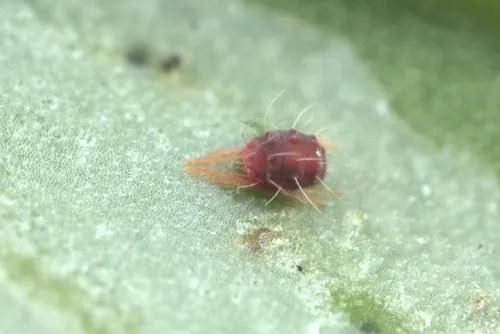
The Citrus Red Mite (*Panonychus citri*), belonging to the spider mite family *Tetranychidae* under the order *Trombidiformes*, is a major sap-sucking arachnid pest of citrus trees worldwide. Originally native to Asia, it has spread to major citrus-growing regions globally. Unlike true insects, these mites are microscopic arachnids that aggregate on the upper and lower surfaces of leaves and green twigs. They use their specialized piercing-sucking mouthparts to puncture host cells and extract vital sap, reducing leaf chlorophyll and causing severe moisture stress.
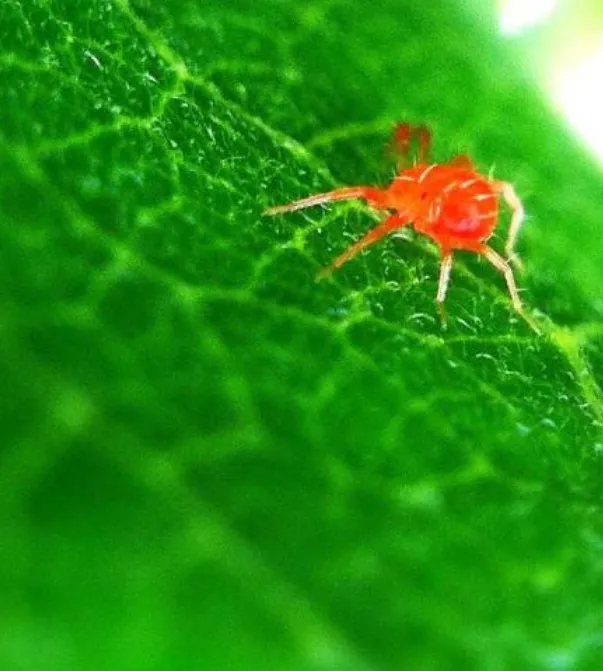
Identifying a citrus red mite infestation requires a hand lens due to their tiny size (0.5 mm). The adult female is oval, robust, and deep red or velvety-purple, with long, white bristles rising from small tubercles on her back. Damage is characterized by foliar 'stippling'—thousands of minute white-to-greyish dots where cells have been drained. Over time, leaves lose their glossy green look, turning silvery-grey or bronzed. Heavily infested trees show leaf curling, twig dieback, and premature leaf and fruit drop.
The citrus red mite attacks high-value citrus cultivars and some ornamental hosts.
| Crop/Plant Type | Severity Rating | Impact Description |
|---|---|---|
| Lemons & Limes | Extreme (⭐⭐⭐) | Severe leaf silvering, leaf drop, twig dieback, and defaced fruit skin |
| Oranges & Grapefruits | High (⭐⭐) | Foliar stippling, chlorosis, and premature fruit drop under dry conditions |
| Roses & Gardenias | Medium (⭐) | Cosmetic foliar spotting, minor leaf drop on container ornamentals |
The lifecycle of *Panonychus citri* is extremely rapid, completing in just 12 to 15 days under warm, dry summer conditions (25°C to 30°C). Females lay up to 30 small, red, spherical eggs with a vertical stalk on leaves and fruit. Organic control focuses on foliar sprays of horticultural oils, neem oil, or predatory mites (*Neoseiulus californicus*). Chemical options include specific acaricides like spirodiclofen or hexythiazox. For comprehensive pest guides, check our Plant Disease Identifier Hub, or explore similar profiles like Spider Mite, Citrus Canker, and Citrus Greening. For specialized diagnosis of related crop threats, see our guide on Asian Citrus Psyllid.
Taxonomy & Features
- Red-Purple Oval Body: Oval-shaped, deep red or velvety-purple body (0.5 mm) with prominent white dorsal bristles.
- Foliar Stippling Damage: Punctures leaf cells, leaving thousands of tiny white-to-greyish spots on leaf surfaces.
- Silvering & Bronzing: Causes leaves to lose their healthy green gloss, turning silver-grey or copper-bronze.
- Stalked Red Eggs: Lays tiny red spherical eggs with a unique vertical thread-like stalk on leaves and fruit.
- Warm/Dry Weather Boom: Populations explode during hot, dry summer months, completing generations in 12 days.
- Natural Predators: Predatory Neoseiulus and Phytoseiulus mites provide highly effective biological control.
Seasonal Outbreak Calendar
Outbreak risk and activity timeline for Citrus Red Mite based on seasonal climate patterns:
Names in Different Languages
Affected Plant Species
Vegetables & Crops
- None
Flowers & Ornamentals
- Roses
- Gardenias
Fruits & Berries
- Lemon
- Orange
- Lime
- Grapefruit
- Tangerine
Prevention & Cure
Natural & Organic Methods
- Forceful Water Spray: Spray leaf undersides with a strong stream of water to dislodge mites and clean foliage.
- Predatory Mites: Release Amblyseius or Neoseiulus predatory mites directly into tree foliage.
- Horticultural Oils: Apply 1-2% lightweight mineral oils to smother adult mites and red eggs.
Chemical & Professional Control
- Spirodiclofen Spray: Apply spirodiclofen (Envidor) to block lipid biosynthesis in mites.
- Hexythiazox Acaricide: Spray hexythiazox specifically to kill eggs and immature mite stages.
- Abamectin Knockdown: Apply abamectin mixed with oil for rapid contact knockdown of dense colonies.
Frequently Asked Questions
Can citrus red mites bite humans or pets?
No. Citrus red mites are strictly plant-feeding arachnids. They do not have mouthparts capable of piercing human or animal skin and are harmless to households.
How do I tell citrus red mites apart from two-spotted spider mites?
Citrus red mites are uniformly deep red or purple-red with white spots/tubercles on their back. Two-spotted spider mites are yellowish-green with two distinct black patches on their sides.
Do citrus red mites produce thick webbing?
No. Unlike two-spotted spider mites which spin thick silken webs, citrus red mites produce very little to no visible webbing on leaves.
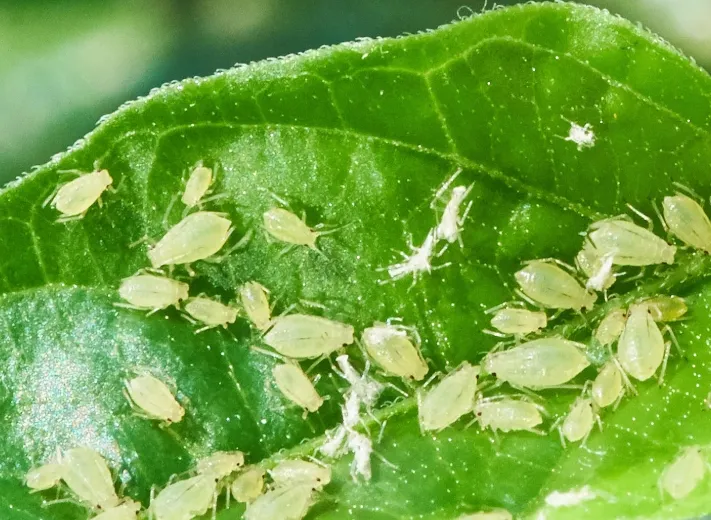
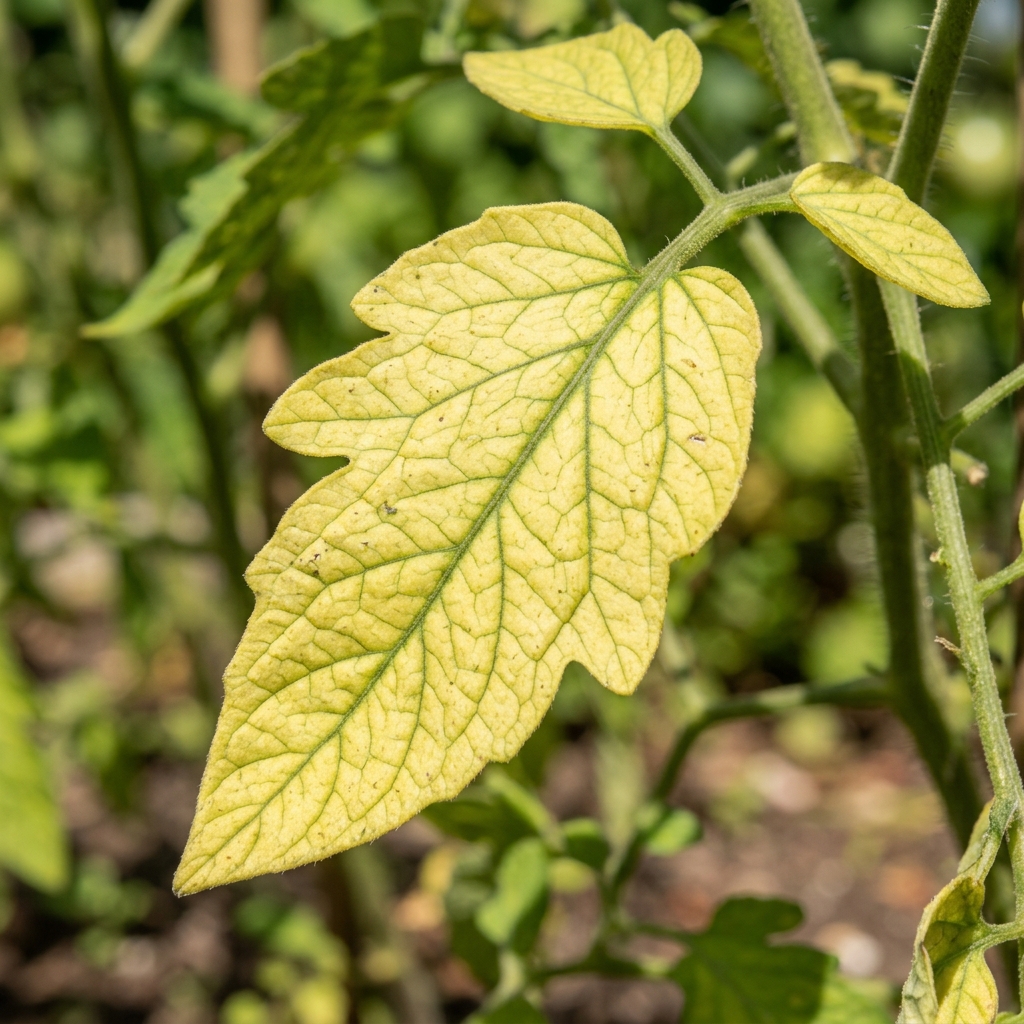
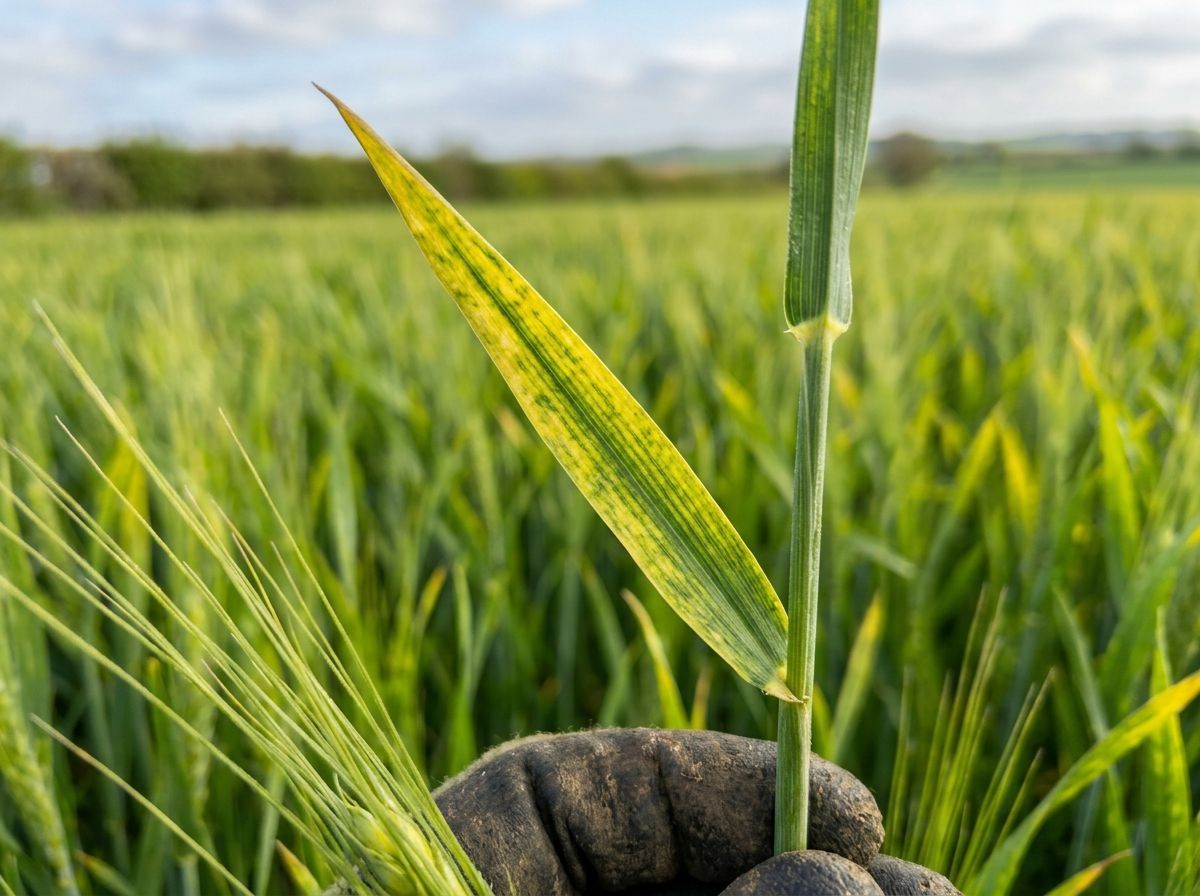
Recommended diagnostics based on crop family and symptoms:
Remedy Disclaimer & Safety Notice
This disease guide is for educational screening purposes only. Pathogen behavior, severity, and host susceptibility can vary dramatically based on seed variety, weather conditions, and regional microclimates. Chemical pesticides and organic treatments are subject to strict regional environmental regulations and registration mandates. Please verify all chemical registrations and review manufacturer safety labels carefully with local certified agronomists or agricultural extension service offices before applying.