
Rice Blast
Magnaporthe oryzae
About Rice Blast
Rice Blast, caused by the filamentous Ascomycete fungus *Magnaporthe oryzae* (anamorph *Pyricularia oryzae*), is the most widespread and economically devastating fungal disease of rice (*Oryza sativa*) crops globally. Present in over 85 countries, this highly aggressive pathogen can destroy up to 100% of a crop in favorable conditions. The fungus targets all above-ground tissues, including leaves, collars, nodes, internodes, and panicle necks, disrupting nutrient transport and photosynthesis. For a side-by-side comparison on telling Rice Blast apart from nitrogen or zinc deficiencies, read our Symptom Diagnosis Guide.
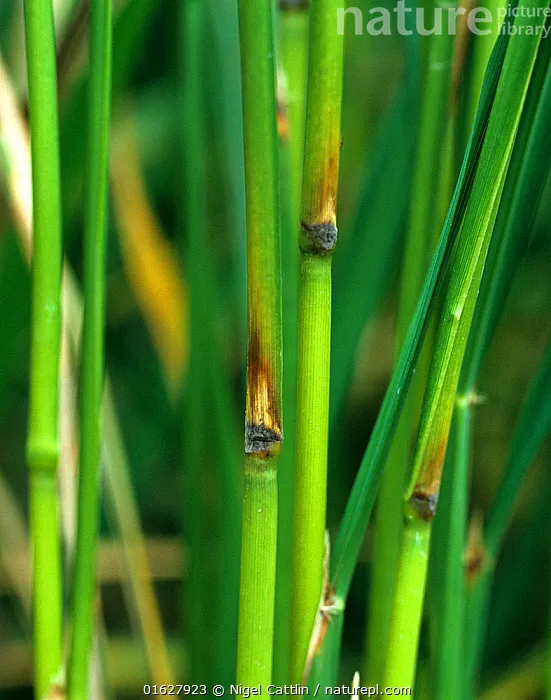
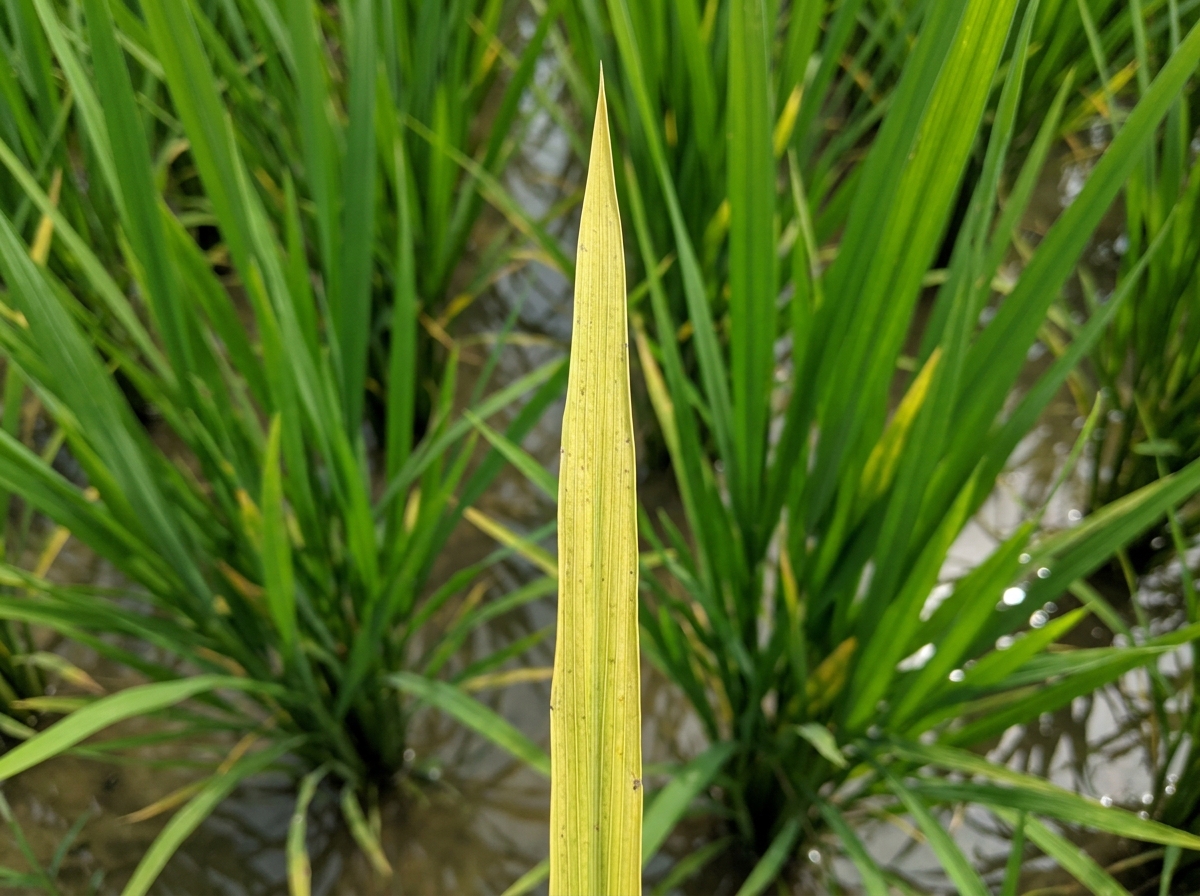
Identifying rice blast involves recognizing distinct foliar and stem lesions. Foliar symptoms start as small, water-soaked bluish-green spots that quickly expand into spindle-shaped or diamond-shaped lesions with grey centers and reddish-brown borders. The most destructive stage is 'neck blast' or 'neck rot,' where the node directly below the grain panicle turns blackish-brown and rots, causing the heavy panicle to snap or fail to fill, leaving empty white heads (whiteheads).
The rice blast fungus attacks commercial grain varieties and wild grasses.
| Crop/Plant Type | Severity Rating | Impact Description |
|---|---|---|
| Basmati & Indica Rice | Extreme (⭐⭐⭐) | Neck blast rotting, snapped panicles, total whitehead sterility, and 100% yield loss |
| Wheat & Barley | High (⭐⭐) | Foliar lesions, shriveled grain heads, and reduced seed starch content |
| Finger Millet & Turfgrasses | Medium (⭐) | Foliar stippling and small diamond spots; serves as an airborne spore reservoir |
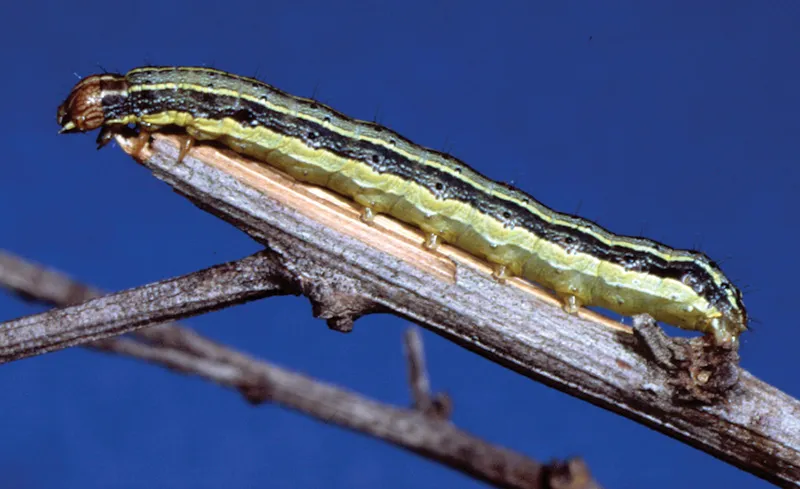
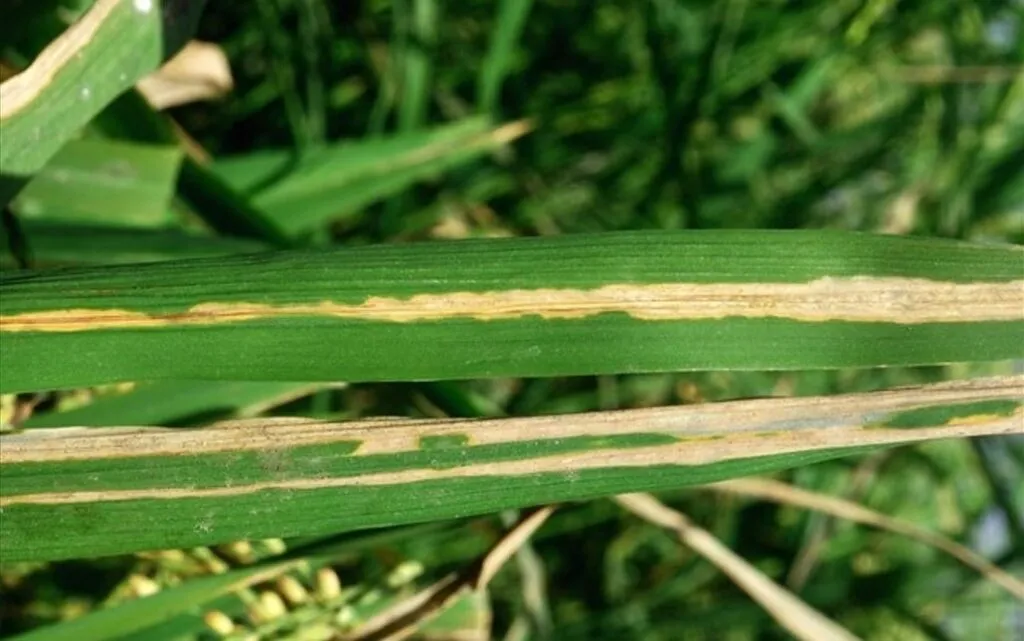
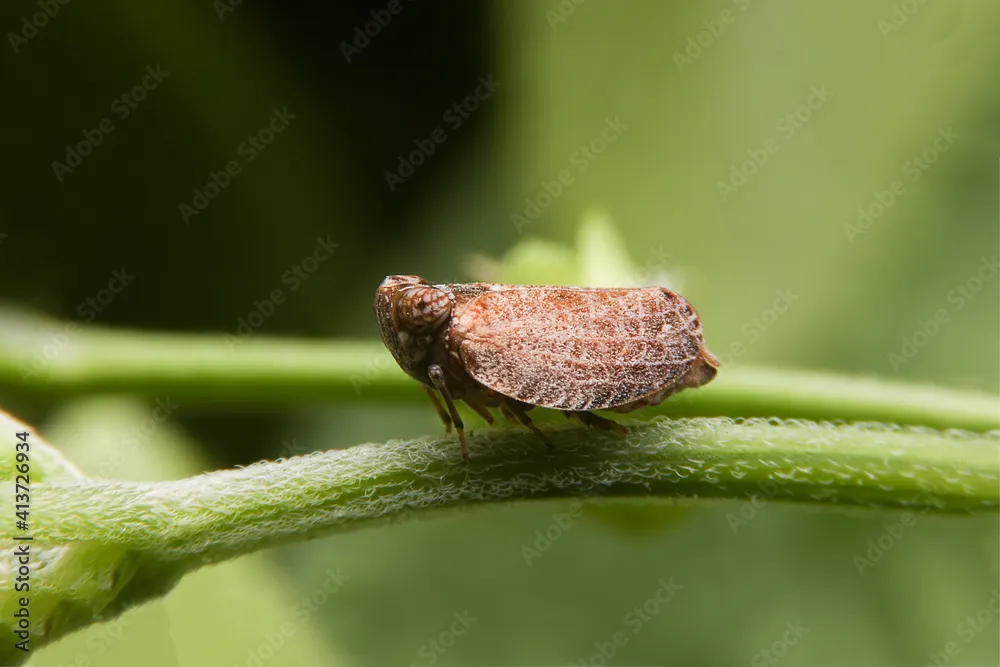
The lifecycle of *Magnaporthe oryzae* is favored by cool, humid nights, high relative humidity (above 90%), and heavy morning dew. Microscopic spores (conidia) are launched into the air, spreading rapidly by wind. Organic control relies on planting resistant cultivars, avoiding excess nitrogen fertilizer, and applying neem-based foliar sprays. Chemical management includes seed treatment or foliar sprays of tricyclazole, edifenphos, or azoxystrobin. For crop health management, consult our Plant Disease Identifier Hub, or explore similar threat profiles like Bacterial Leaf Blight (Rice), Brown Planthopper (Rice), and Brown Spot (Rice). For comprehensive agronomic guidance, read our manual on Rice Blast Disease: How to Identify and Save Your Crop.
Taxonomy & Features
- Diamond Foliar Lesions: Spindle-shaped or diamond-shaped lesions on leaves with light grey centers and reddish-brown margins.
- Neck Blast Rot: Node directly below the grain panicle turns blackish-brown and rots, causing the head to snap.
- Whitehead Sterility: Infected panicles produce empty, chaffy, and completely sterile white grain heads.
- High Humidity Lover: Spore germination requires continuous free leaf moisture from rain, fog, or heavy morning dew.
- Airborne Conidia Spread: Millions of microscopic spores are launched daily, spreading rapidly over long distances in wind.
- Tricyclazole Chemical Defense: Tricyclazole fungicide provides highly effective systemic control when applied before panicle emergence.
Seasonal Outbreak Calendar
Outbreak risk and activity timeline for Rice Blast based on seasonal climate patterns:
Names in Different Languages
Affected Plant Species
Vegetables & Crops
- None
Flowers & Ornamentals
- None
Fruits & Berries
- Rice
- Wheat
- Barley
- Millet
Prevention & Cure
Natural & Organic Methods
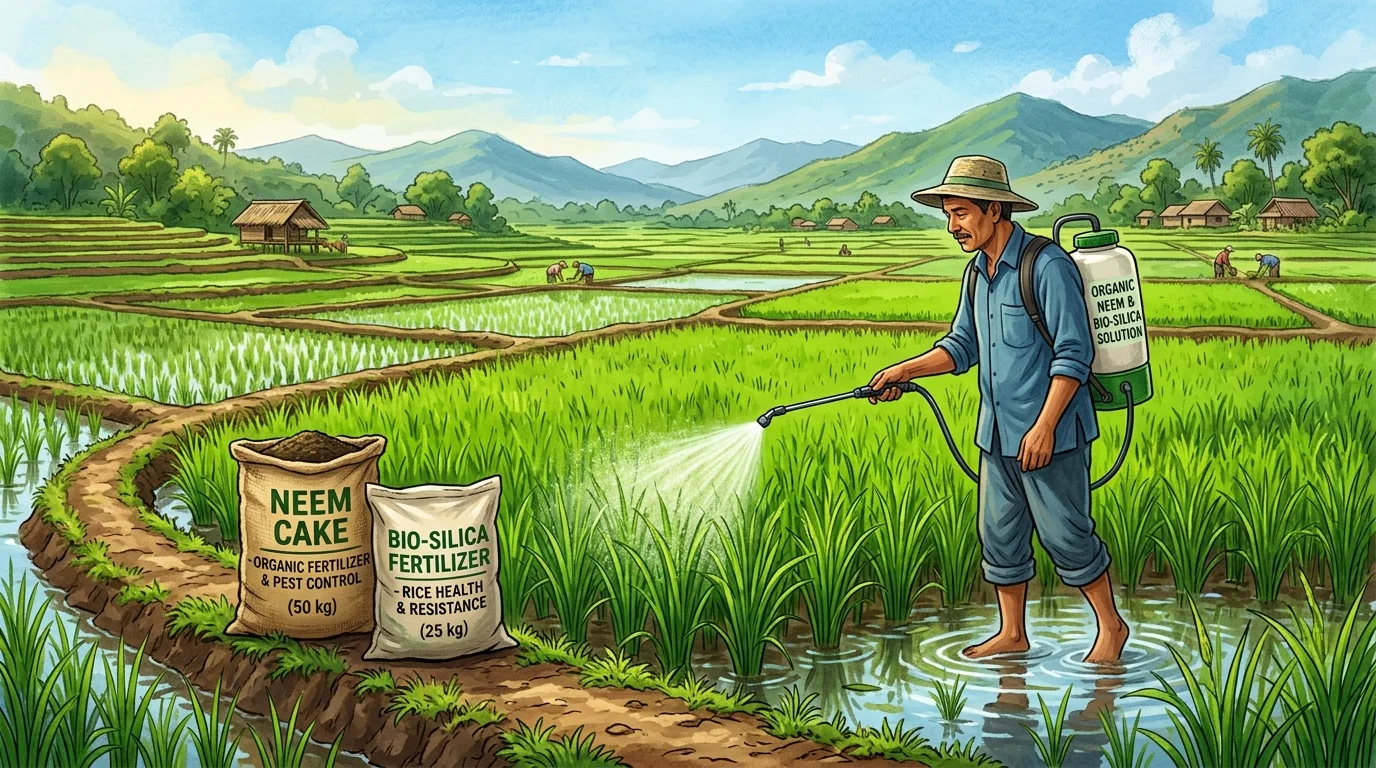
- Resistant Varieties: Plant resistant rice cultivars bred for local environmental conditions.
- Silicon Fertilization: Apply silicon-rich soil amendments to strengthen cell walls against fungal penetration.
- Balanced Nitrogen: Avoid excess nitrogen fertilization, which yields soft leaf tissue susceptible to spore entry.
Chemical & Professional Control
- Tricyclazole Foliar Spray: Spray tricyclazole (Beam) at the boot leaf stage to prevent neck blast.
- Isoprothiolane Treatment: Use isoprothiolane to disrupt fungal lipid metabolism and reduce blast lesions.
- Azoxystrobin Protection: Apply azoxystrobin early in the season to prevent spore germination on seedlings.
Frequently Asked Questions
What is the difference between leaf blast and neck blast?
Leaf blast infects young leaves, causing diamond-shaped spots that lower photosynthesis. Neck blast infects the stalk just below the grain panicle, causing it to rot and snap, which stops all grain filling.
Can humans eat rice from plants affected by blast?
Yes. Rice blast is caused by a plant-specific fungus that does not produce toxins harmful to humans. However, the disease yields mostly empty, brittle, and low-quality grains.
Why does high nitrogen fertilizer make rice blast worse?
Excess nitrogen promotes rapid, lush vegetative growth with thin cell walls. The fungus can easily pierce these weak walls, leading to rapid disease spread.
Recommended diagnostics based on crop family and symptoms:
Remedy Disclaimer & Safety Notice
This disease guide is for educational screening purposes only. Pathogen behavior, severity, and host susceptibility can vary dramatically based on seed variety, weather conditions, and regional microclimates. Chemical pesticides and organic treatments are subject to strict regional environmental regulations and registration mandates. Please verify all chemical registrations and review manufacturer safety labels carefully with local certified agronomists or agricultural extension service offices before applying.