
Cotton Bollworm
Helicoverpa armigera
About Cotton Bollworm
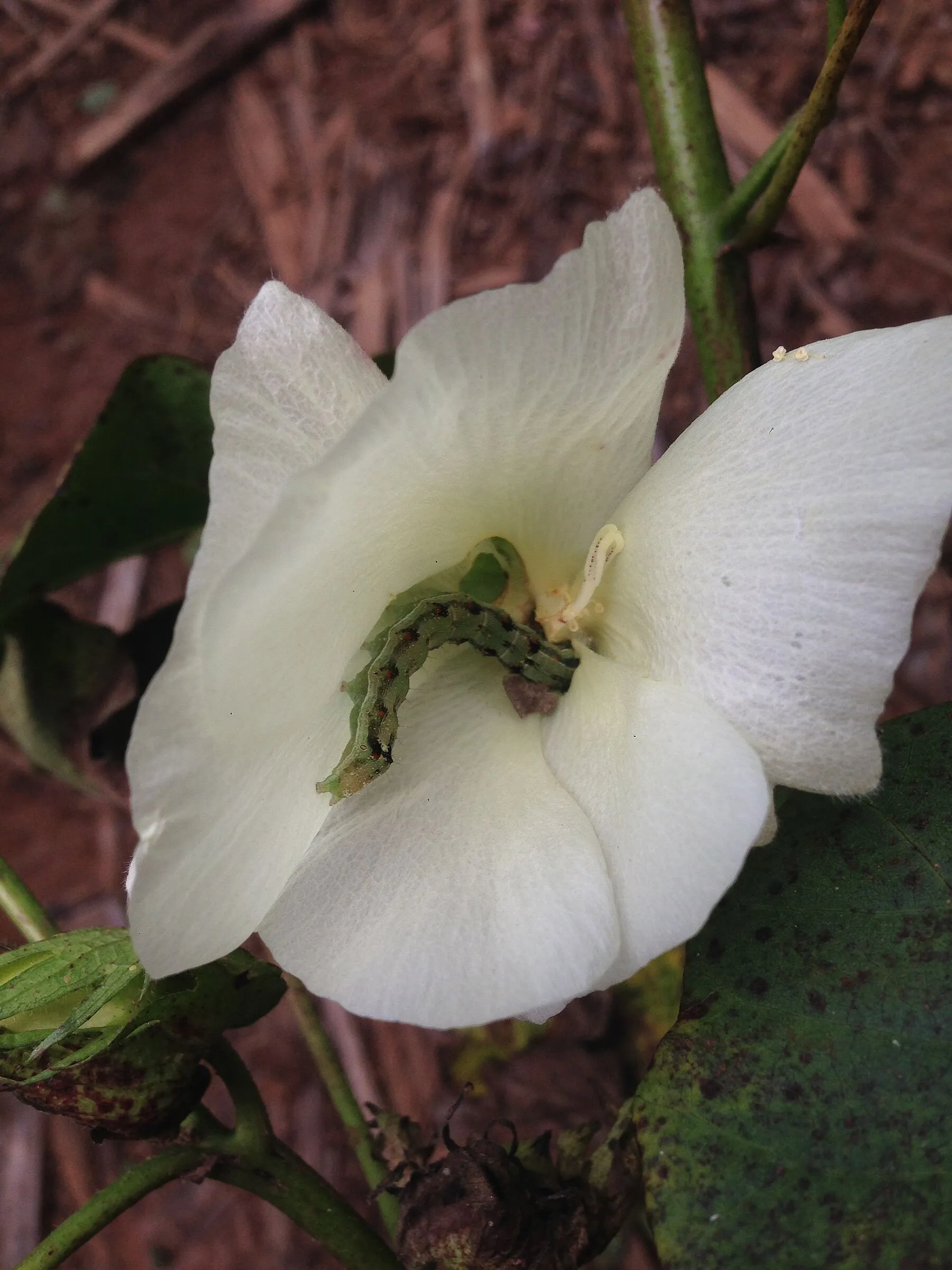
The Cotton Bollworm (*Helicoverpa armigera*), belonging to the owlet moth family *Noctuidae* under the order *Lepidoptera*, is one of the most destructive agricultural pests in the world. Also known as the Old World bollworm, tomato fruitworm, or corn earworm, this highly polyphagous insect feeds on over 180 plant species. The primary damage is caused by the voracious caterpillar larvae, which show a strong preference for the reproductive structures of crops. They burrow into cotton bolls, tomato fruits, and corn ears to consume the nutrient-rich interior. This feeding behavior destroys the crop fibers and seeds, causing severe yield and quality losses.
Identifying a cotton bollworm infestation involves spotting both larval stages and characteristic damage holes. The caterpillar body is highly variable in color, ranging from bright green and straw-yellow to reddish-brown or dark grey, typically decorated with dark stripes along the back and a white stripe on the side. The caterpillars grow up to 40 mm in length and have sparse, short hairs. Infested bolls, fruits, and pods show clean-cut, circular entry holes, often with dark frass (fecal waste) clustered around the opening. Larvae frequently feed with the front half of their body buried inside the fruit while the rear remains visible.
The cotton bollworm is a highly versatile feeder, attacking key cash crops, grain legumes, and vegetables.
| Affected Crops / Plants | Severity Rating | Damage Symptoms |
|---|---|---|
| Cotton (Bt and Non-Bt varieties) | Extreme (⭐⭐⭐) | Chewed flower buds, hollowed-out bolls, ruined lint, and premature boll drop |
| Tomato, Pepper, Eggplant | Extreme (⭐⭐⭐) | Circular holes in green/ripe fruit, internal feeding, and secondary fruit rot |
| Corn, Chickpea, Soybeans | High (⭐⭐) | Chewed corn kernels/ears, consumed chickpea pods, and severe leaf defoliation |
The life cycle of the cotton bollworm is characterized by rapid development, allowing up to 4–6 generations per year in warm climates. A single female moth can lay up to 3,000 eggs on leaves, flower buds, or fruit skins. The eggs hatch in 3–5 days, and larvae immediately bore into reproductive tissue, feeding for 2–3 weeks before dropping to the soil to pupate. Organic management relies on foliar sprays of *Bacillus thuringiensis* (Bt) or neem oil on young larvae, and releasing parasitic *Trichogramma* wasps. Chemical options include selective active ingredients like spinosad or indoxacarb. For comprehensive crop pest advice, check our Plant Disease Identifier Hub, or explore similar threat profiles like Armyworm, Cutworm, and Pink Bollworm.
Taxonomy & Features
- Generalist Feeding Larvae: Caterpillars attack over 180 plant hosts, targeting energy-rich buds, fruits, flowers, and seeds.
- Variable Coloration: Larvae display wide color variations, appearing in shades of green, yellow, brown, or black with lateral stripes.
- Circular Boring Holes: Distinctive, clean circular holes cut into fruit or bolls, with larvae feeding with their bodies half-submerged.
- Severe Insecticide Resistance: Highly notorious for developing rapid resistance to standard organophosphates, carbamates, and pyrethroids.
- Prolific Egg Production: A single female adult moth can produce up to 3,000 eggs, laying them selectively near host flowers and fruit.
- Overwintering soil pupae: Overwinters in soil chambers as dormant brown pupae, emerging as active moths in early summer.
Seasonal Outbreak Calendar
Outbreak risk and activity timeline for Cotton Bollworm based on seasonal climate patterns:
Names in Different Languages
Affected Plant Species
Vegetables & Crops
- Tomato
- Chili Pepper
- Okra
- Cabbage
- Lettuce
- Chickpea
- Pigeon Pea
Flowers & Ornamentals
- Carnations
- Chrysanthemums
- Roses
- Geraniums
- Pelargoniums
Fruits & Berries
- Citrus fruits
- Grapes
- Apples
- Peaches
- Pomegranates
Prevention & Cure
Natural & Organic Methods
- Pheromone Trapping: Install pheromone traps to monitor adult moth populations and disrupt mating cycles.
- Trichogramma Release: Release Trichogramma parasitic wasps early in the season to destroy bollworm eggs before they hatch.
- Bt Formulation Spray: Apply Bacillus thuringiensis (Bt var. kurstaki) foliar spray weekly to target young larvae.
- Handpicking & Destruction: Inspect crop terminals daily, handpicking and crushing eggs and active larvae.
Chemical & Professional Control
- Spinosad Treatment: Apply spinosad-based sprays to control larvae while minimizing impact on beneficial insects.
- Indoxacarb Spray: Use indoxacarb as an effective larvicide targeting the nervous system of chewing caterpillars.
- Emamectin Benzoate: Spray emamectin benzoate for rapid contact and stomach action knockdown of larger larvae.
Frequently Asked Questions
How does the cotton bollworm ruin tomato crops?
The caterpillar bores clean, circular holes into both green and ripe tomato fruits to feed on the inner pulp. In addition to the direct feeding damage, these holes introduce moisture and secondary bacterial or fungal rot pathogens, making the entire fruit soft, decaying, and unmarketable.
Why has the cotton bollworm become resistant to so many insecticides?
Due to high reproductive rates, short lifecycles, and intensive agricultural spraying, populations of Helicoverpa armigera quickly select for mutations that detoxify chemicals. This has resulted in widespread resistance to organophosphates, pyrethroids, and even early genetically modified Bt crops.
Can cotton bollworms survive cold winters?
Yes, cotton bollworms survive winters by pupating in the soil at a depth of 2 to 8 inches. The pupae enter a state of winter dormancy (diapause) and emerge as adult moths in late spring when temperatures rise.
Recommended diagnostics based on crop family and symptoms:
Remedy Disclaimer & Safety Notice
This disease guide is for educational screening purposes only. Pathogen behavior, severity, and host susceptibility can vary dramatically based on seed variety, weather conditions, and regional microclimates. Chemical pesticides and organic treatments are subject to strict regional environmental regulations and registration mandates. Please verify all chemical registrations and review manufacturer safety labels carefully with local certified agronomists or agricultural extension service offices before applying.