
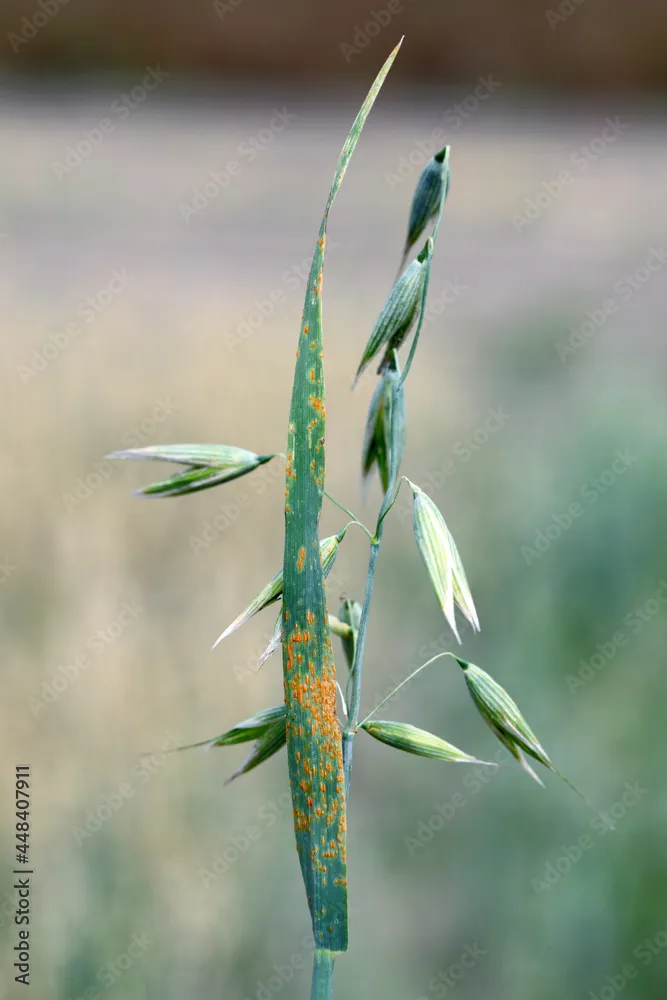
Stem Rust (Black Rust)
Puccinia graminis
About Stem Rust (Black Rust)
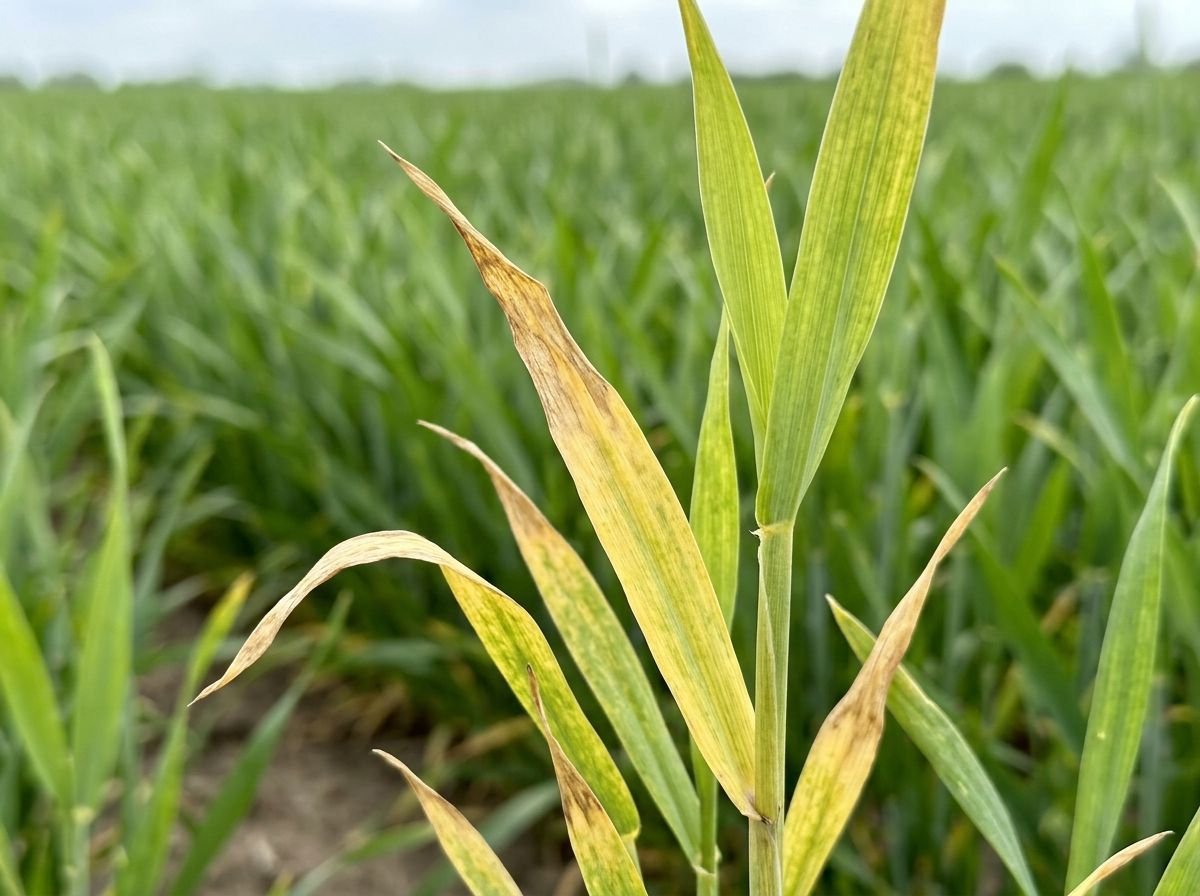
Stem rust, also known as black rust or cereal rust, is a devastating fungal disease caused by the pathogen Puccinia graminis. It is historically one of the most destructive diseases of cereal crops worldwide, capable of turning a healthy-looking crop into a tangle of black, shriveled stalks and empty heads in a matter of weeks. The fungus is a biotrophic parasite, meaning it derives its nutrients from living plant tissue, eventually depleting the host of the energy needed for grain filling.
The disease is characterized by the eruption of brick-red to black pustules (uredinia) on the stems and leaf sheaths. These pustules contain millions of microscopic spores that can be carried by wind over thousands of miles, crossing continents and oceans to infect new fields. This airborne nature makes stem rust a significant threat to global food security, as localized outbreaks can rapidly escalate into international epidemics if weather conditions and host susceptibility align.
The life cycle of *Puccinia graminis* is complex and heteroecious, requiring two unrelated host plants to complete its sexual reproduction.
| Crop/Plant Type | Severity Rating | Impact Description |
|---|---|---|
| Wheat & Barley | Extreme (⭐⭐⭐) | Black stem pustules, severe lodging, shriveled lightweight grain, and complete yield loss |
| Oats & Rye | High (⭐⭐) | Foliar sheath pustules, weakened stalks, and reduced seed quality |
| Barberry (Alternate Host) | Medium (⭐) | Yellow leaf spots and pycnia on undersides; serves as sexual hybridization host |
Modern management of stem rust relies heavily on the breeding and deployment of resistant varieties. However, the emergence of highly virulent strains like Ug99 (discovered in Uganda in 1999) has challenged existing defenses. Ug99 and its derivatives can overcome many of the resistance genes that have protected global wheat supplies for decades, making international surveillance and the continuous development of new "slow-rusting" varieties essential for preventing widespread famine. For comprehensive plant disease management, refer to the Plant Disease Identifier Hub, or explore profiles like Yellow Rust, Late Blight, and Early Blight.
Taxonomy & Features
- Brick-Red Pustules: Elongated, eruptive pustules on stems and leaf sheaths that release dusty, reddish-brown spores during the summer (urediniospores).
- Epidermal Tearing: The fungus physically ruptures the plant epidermis to release spores, causing significant water loss and weakening the stalk.
- Stalk Weakening & Lodging: Infected stems become brittle and top-heavy, leading to "lodging" where the crop falls over, making mechanical harvest impossible.
- Shriveled Grain: The disease diverts nutrients from the developing grain, resulting in small, shriveled kernels with little to no commercial or nutritional value.
- Heteroecious Cycle: Requires alternate hosts like Barberry (Berberis) for sexual recombination, which leads to the creation of new, more virulent genetic variants.
- Wind-Borne Migration: Spores can travel thousands of miles at high altitudes, allowing the disease to spread rapidly across international borders.
Seasonal Outbreak Calendar
Outbreak risk and activity timeline for Stem Rust (Black Rust) based on seasonal climate patterns:
Names in Different Languages
Affected Plant Species
Vegetables & Crops
- Wheat
- Barley
- Oat
- Rye
- Triticale
Flowers & Ornamentals
- Common Barberry (Berberis vulgaris)
- Japanese Barberry
- Mahonia (Oregon Grape)
Fruits & Berries
- Barberry berries (incidental host)
Prevention & Cure
Natural & Organic Methods
- Eradicate Alternate Hosts: Remove and destroy barberry bushes and Mahonia within a 2-mile radius of cereal fields to break the sexual life cycle.
- Resistant Varieties: Plant certified resistant cultivars; modern breeding focuses on "slow-rusting" genes that provide durable protection.
- Early Sowing: Planting crops earlier in the season allows them to mature before the peak spore load arrives in the wind.
- Crop Rotation: Rotate cereals with non-host crops like legumes or oilseeds to reduce the local inoculum load.
Chemical & Professional Control
- Triazole Fungicides: Apply systemic fungicides such as Tebuconazole or Propiconazole at the first sign of infection (1% severity).
- Strobilurins: Use Azoxystrobin or Pyraclostrobin during the early stages of fungal development for effective protective action.
- Timing is Critical: Foliar applications must occur between the flag leaf emergence and flowering stages for maximum yield protection.
Frequently Asked Questions
Can stem rust spores survive the winter?
In cold climates, urediniospores cannot survive winter. The fungus survives as teliospores on stubble, which then infect barberry in spring. In warmer regions, it survives on volunteer green plants.
Is wheat from a rust-infected field safe to eat?
Yes, the fungus itself is not toxic to humans. However, the quality and yield are severely reduced, often making the grain unsuitable for flour production.
How fast can stem rust spread?
Extremely fast. Under ideal conditions (warm and moist), a single spore can produce a new pustule in just 7-10 days, each releasing thousands of new spores.
Recommended diagnostics based on crop family and symptoms:
Remedy Disclaimer & Safety Notice
This disease guide is for educational screening purposes only. Pathogen behavior, severity, and host susceptibility can vary dramatically based on seed variety, weather conditions, and regional microclimates. Chemical pesticides and organic treatments are subject to strict regional environmental regulations and registration mandates. Please verify all chemical registrations and review manufacturer safety labels carefully with local certified agronomists or agricultural extension service offices before applying.