
White Grub
Holotrichia spp.
About White Grub
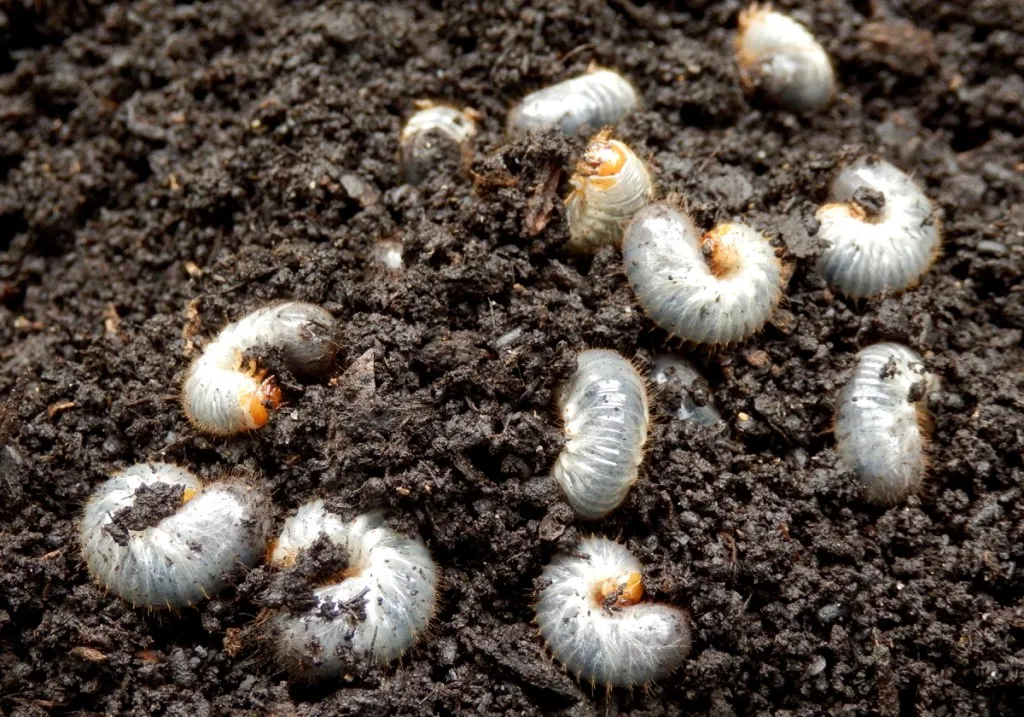
The White Grub (primarily Holotrichia spp. and other scarab genera) is a highly destructive soil-dwelling insect pest representing the larval stage of scarab beetles, June bugs, or chafers belonging to the beetle family Scarabaeidae. These underground invaders are globally distributed and are notorious for feeding on the roots of turfgrass, pasture grasses, ornamental flowers, nursery stock, and tuber crops. Characterized by their distinct, plump, C-shaped creamy-white bodies, prominent reddish-brown head capsules, and three pairs of well-developed thorax legs, white grubs chew through root hairs and structural roots, starving plants of water and nutrients and leading to massive agricultural and landscape losses.
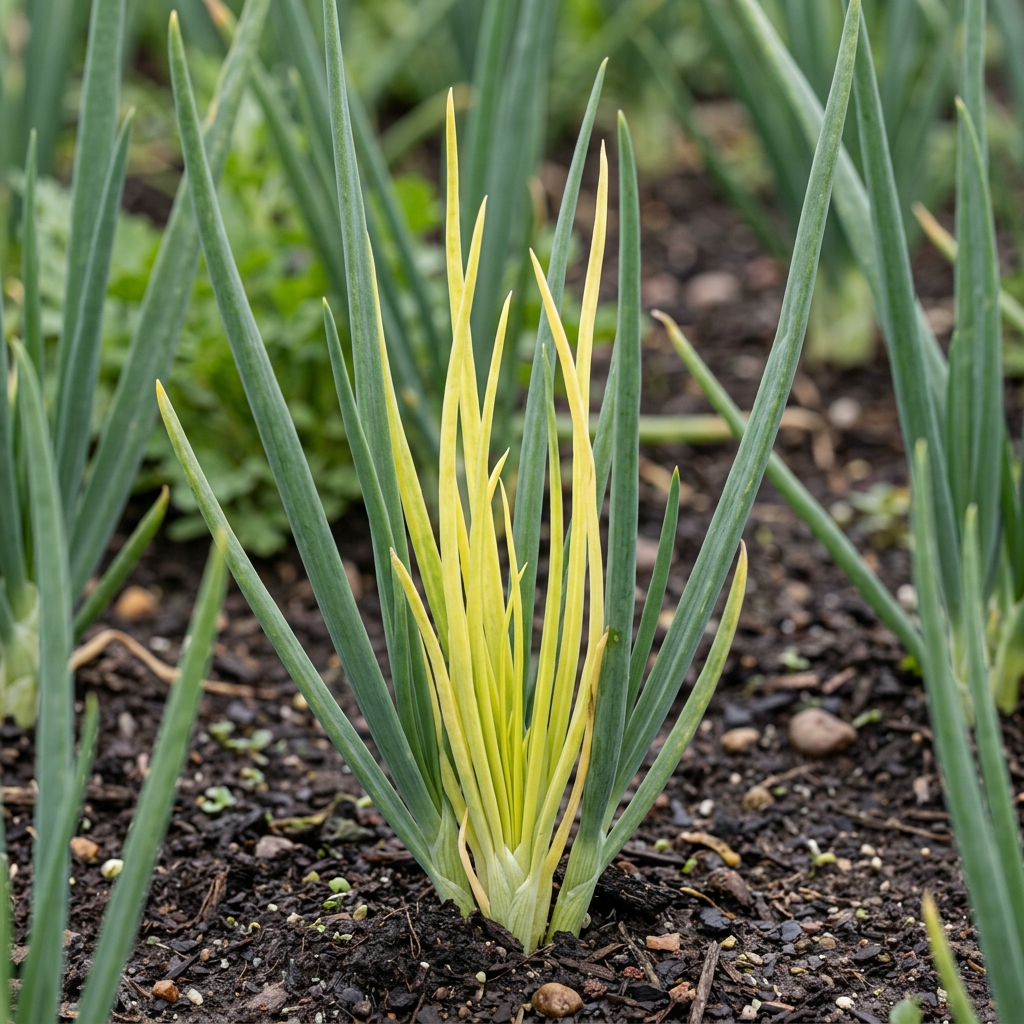
Identifying a White Grub infestation involves examining both plants and soil conditions. Above-ground, grass or plants will show symptoms resembling extreme drought: leaves turn yellow, wilt, and dry up in irregular patches despite adequate watering. Affected turfgrass or garden plants can be easily pulled from the soil because their anchoring root system has been entirely chewed away. Digging 2 to 4 inches into the soil around the margins of damaged areas will reveal the C-shaped, soft larvae. Another major indicator is increased foraging activity from animals like crows, raccoons, or skunks, which tear up soil to feast on the succulent grubs.
White Grubs have a life cycle tightly synchronized with seasonal weather, typically spanning 1 to 3 years. In early summer, adult beetles emerge from the soil to mate, laying up to 60 eggs in moist soil. The grubs hatch within 2 to 3 weeks and feed aggressively near the surface until autumn. As temperatures drop, they burrow deep below the frost line to hibernate, migrating back up in spring to resume feeding before pupating. They thrive in damp, organic-rich soil mixes with warm summer conditions (20°C to 28°C).
| Crop/Plant Type | Severity Rating | Impact Description |
|---|---|---|
| Turfgrass & Lawns | Extreme (⭐⭐⭐) | Massive dead patches, root destruction, lawn peeling |
| Potatoes & Groundnuts | High (⭐⭐) | Deep chewing cavities in tubers/pods, rendering crop unmarketable |
| Strawberries & Nursery Stock | Medium (⭐) | Sudden wilting, stunting, root rot susceptibility |
Controlling White Grubs requires targeting the larval stage in the soil. Natural control methods include soil drenches with beneficial nematodes (Heterorhabditis bacteriophora), applying Milky Spore powder, and autumn plowing. Chemical control is highly effective when applying systemic soil treatments like chlorantraniliprole in mid-summer or using trichlorfon granules for quick knockdown of mature grubs in late summer. For comprehensive subterranean pest advice, visit our Plant Disease Identifier Hub, or explore related threat profiles like Wireworm, Stem Borer, and Fungus Gnat.
Taxonomy & Features
- Plump C-Shape Body: Larvae feature soft, wrinkled, milky-white bodies that naturally curl into a C-shape when handled.
- Brown Head & Strong Mandibles: Features a prominent reddish-brown chitinous head with strong jaws built for cutting plant roots.
- Underground Root Feeder: Targets roots just below the soil surface, destroying structural anchoring and water uptake.
- Overwintering Deep Descent: Burrow deep beneath the winter frost line to hibernate and emerge back up in spring.
- Drought-Like Foliage Damage: Causes above-ground symptoms that perfectly mirror extreme drought and nutrient deficiencies.
- Forager Wildlife Lure: Invading skunks, raccoons, and birds dig up lawns, causing additional mechanical soil damage.
Seasonal Outbreak Calendar
Outbreak risk and activity timeline for White Grub based on seasonal climate patterns:
Names in Different Languages
Affected Plant Species
Vegetables & Crops
- Potatoes
- Sweet Potatoes
- Carrots
- Onions
- Groundnuts
Flowers & Ornamentals
- Roses
- Chrysanthemums
- Dahlias
- Gladiolus
Fruits & Berries
- Strawberries
- Blueberries
- Apple Nursery Liners
Prevention & Cure
Natural & Organic Methods
- Beneficial Nematodes: Apply Steinernema scarabaei or Heterorhabditis bacteriophora nematodes to damp soil to hunt and kill white grubs organically.
- Milky Spore Powder: Apply Bacillus popilliae (Milky Spore) powder to soil to establish a long-term bacterial infection targeting scarab larvae.
- Tilling and Digging: Deep plow or till garden soil in late autumn or early spring to expose grubs directly to birds and freezing temperatures.
- Neem Drench Treatment: Drench root zones with high-quality organic neem cake or cold-pressed neem oil solution to disrupt grub feeding cycles.
Chemical & Professional Control
- Imidacloprid Systemic Drench: Apply systemic imidacloprid to soil in mid-summer to poison newly hatched grubs as they feed on roots.
- Chlorantraniliprole Soil Treatment: Apply chlorantraniliprole (like Acelepryn) to provide outstanding, low-impact control of root-feeding grubs.
- Trichlorfon Quick Knockdown: Use trichlorfon granules in late summer for rapid knockdown of active, large-sized third-instar white grubs.
Frequently Asked Questions
What do white grubs look like?
White grubs are plump, soft-bodied, creamy-white C-shaped larvae with wrinkled bodies, three pairs of legs near their brown-orange head, and a dark grey tail end.
How do white grubs damage lawns and gardens?
They feed aggressively on plant roots just beneath the soil surface, completely destroying the root system and causing grass or plants to die, dry up, and peel back like carpet.
When is the best time of year to treat white grubs?
The best time is late summer or early autumn (August to October), when grubs are small, actively feeding near the soil surface, and highly vulnerable to treatments.
Recommended diagnostics based on crop family and symptoms:
Remedy Disclaimer & Safety Notice
This disease guide is for educational screening purposes only. Pathogen behavior, severity, and host susceptibility can vary dramatically based on seed variety, weather conditions, and regional microclimates. Chemical pesticides and organic treatments are subject to strict regional environmental regulations and registration mandates. Please verify all chemical registrations and review manufacturer safety labels carefully with local certified agronomists or agricultural extension service offices before applying.