
Fusarium Head Blight (Scab)
Fusarium graminearum
About Fusarium Head Blight (Scab)
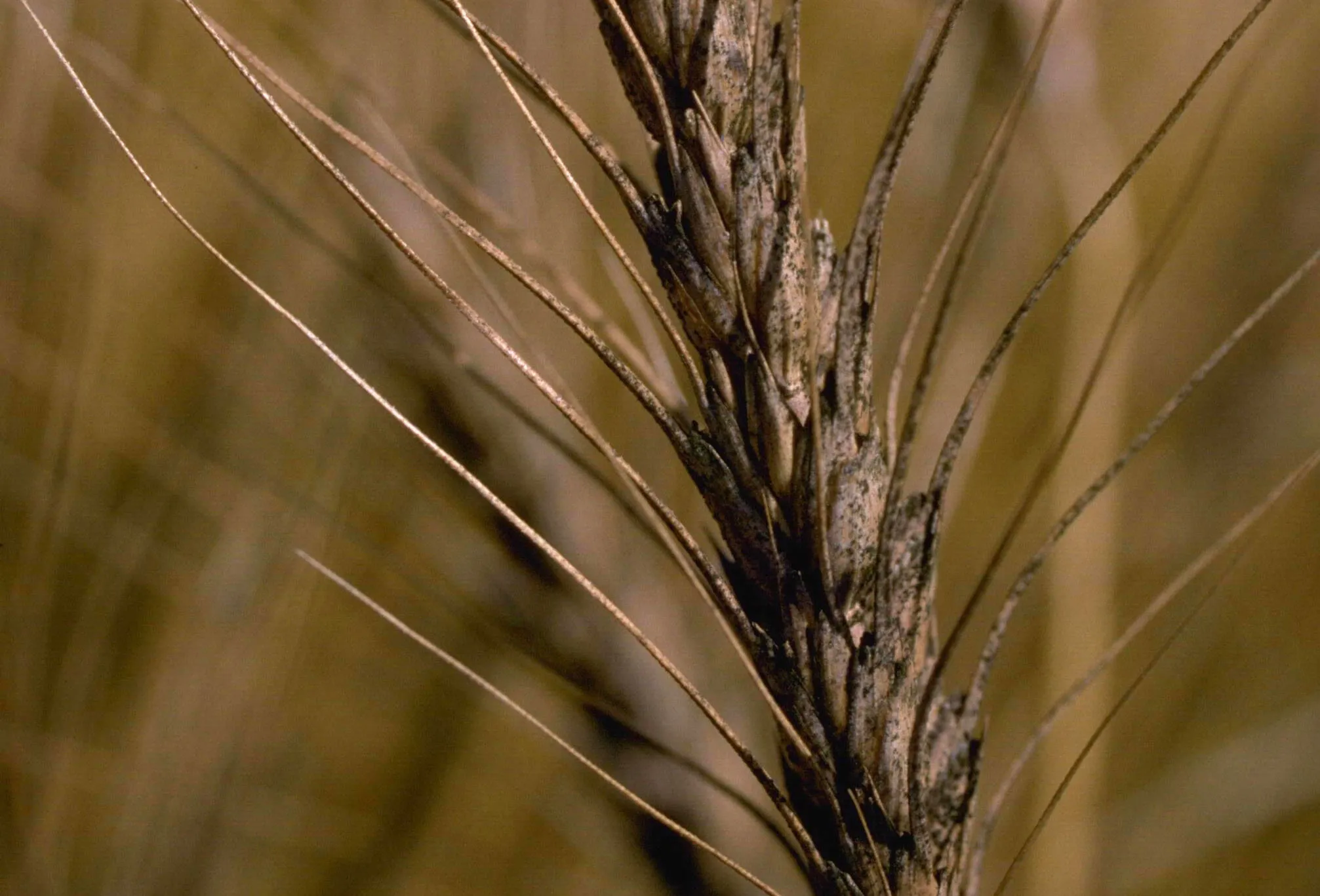
Fusarium Head Blight (FHB), also widely known as scab or tombstone rot, is a highly destructive fungal disease caused primarily by the ascomycete pathogen *Fusarium graminearum* (teleomorph *Gibberella zeae*). It represents one of the most critical threats to wheat (*Triticum aestivum*), barley, and oat production globally. In addition to reducing grain yield and seed viability, FHB is notorious for producing harmful mycotoxins (such as deoxynivalenol or vomitoxin) inside the grain, making the harvested crop toxic to humans and livestock.
Identifying Fusarium head blight is easiest during the milk-to-dough grain stage. Symptoms appear as premature bleaching of individual spikelets or entire grain heads (spikes), making infected sections stand out as straw-colored or white against the healthy green head. A key diagnostic feature is the presence of light pink-to-orange spore masses (sporodochia) at the base of infected glumes under humid conditions. Harvested grains are shriveled, chalky-white, or pinkish-tan, often called 'tombstones' or 'scabby kernels'.
FHB affects small-grain crops and maize during warm, wet flowering windows.
| Crop/Plant Type | Severity Rating | Impact Description |
|---|---|---|
| Durum Wheat & Bread Wheat | Extreme (⭐⭐⭐) | Bleached grain heads, shriveled lightweight tombstone seeds, and toxic vomitoxin contamination |
| Barley & Oats | High (⭐⭐) | Pink spore formations, reduced seed starch content, and poor malting quality |
| Maize (stalk and ear rot) | Medium (⭐) | Reddish ear rot, stalk splitting, and moldy kernels |
The fungus overwinters in crop residues like corn stalks and wheat stubble. During warm, wet spring weather (15°C to 30°C), spores are released and carried by wind to host flowers during anthesis (flowering). Organic management focuses on crop rotation with non-hosts, tillage to bury stubble, and planting resistant varieties. Chemical control relies on triazole fungicides sprayed specifically during early flowering. For complete cereal guides, check our Plant Disease Identifier Hub, or read related profiles like Yellow Rust, Loose Smut, Stem Rust, and Ergot.
Taxonomy & Features
- Bleached Grain Heads: Individual spikelets or entire grain heads turn straw-white prematurely while the rest of the head remains green.
- Pink Spore Masses: Humid weather induces pink-to-salmon-orange spore masses at the base of infected glumes.
- Tombstone Grains: Harvested grains are severely shriveled, chalky-white, or pinkish-tan, and extremely lightweight.
- Vomitoxin Mycotoxin: Produces deoxynivalenol (DON), which causes severe vomiting and feed refusal in swine and livestock.
- Flowering Infection Window: The fungal spores infect wheat specifically during anthesis (flowering) when glumes are open.
- Crop Residue Overwintering: Overwinters in left-over corn stalks and wheat stubble, making debris management crucial.
Seasonal Outbreak Calendar
Outbreak risk and activity timeline for Fusarium Head Blight (Scab) based on seasonal climate patterns:
Names in Different Languages
Affected Plant Species
Vegetables & Crops
- None
Flowers & Ornamentals
- None
Fruits & Berries
- Wheat
- Barley
- Corn
- Oats
- Rye
Prevention & Cure
Natural & Organic Methods
- Crop Rotation: Rotate cereal crops with non-host dicots such as soybeans or canola.
- Stubble Burrying: Plow deeply in autumn to bury crop residues and accelerate decomposition.
- Resistant Varieties: Select wheat and barley cultivars with verified FHB tolerance genes.
Chemical & Professional Control
- Triazole Sprays: Apply prothioconazole or tebuconazole during early flowering (50% anthesis).
- Fungicide Timing: Sprays must target the short flowering window; late sprays are ineffective.
- DON Testing: Conduct grain assays for vomitoxin content before shipping harvests.
Frequently Asked Questions
What is vomitoxin and why is it dangerous?
Vomitoxin (deoxynivalenol or DON) is a trichothecene mycotoxin produced by the Fusarium fungus. If consumed by humans or livestock, it causes severe stomach irritation, vomiting, and can lead to immune system failure.
Can I bake bread using wheat infected with Fusarium head blight?
Only if the grain passes strict regulatory tests for vomitoxin content (usually below 1 ppm). Even if it is safe, infected flour has poor rising properties, yields a bitter taste, and leads to bad loaf structure.
Why does the fungus only infect the plant during flowering?
The open flowers of cereal plants provide the ideal entry point. Extruded anthers contain compounds like choline and betaine, which stimulate Fusarium spore germination and initial growth.
Recommended diagnostics based on crop family and symptoms:
Remedy Disclaimer & Safety Notice
This disease guide is for educational screening purposes only. Pathogen behavior, severity, and host susceptibility can vary dramatically based on seed variety, weather conditions, and regional microclimates. Chemical pesticides and organic treatments are subject to strict regional environmental regulations and registration mandates. Please verify all chemical registrations and review manufacturer safety labels carefully with local certified agronomists or agricultural extension service offices before applying.