
Anthracnose
Colletotrichum spp., Glomerella spp.
About Anthracnose
Anthracnose (*Colletotrichum spp.* or *Glomerella spp.*), a devastating fungal disease belonging to the order *Glomerellales* of the phylum *Ascomycota*, represents one of the most destructive agricultural diseases globally, particularly in humid tropical climates. Characterized by dark, sunken, coal-like necrotic lesions on leaves, stems, flowers, and fruits, this disease is caused by highly specialized plant pathogens that penetrate host cells, hijack cellular functions, and cause rapid tissue death (necrosis).
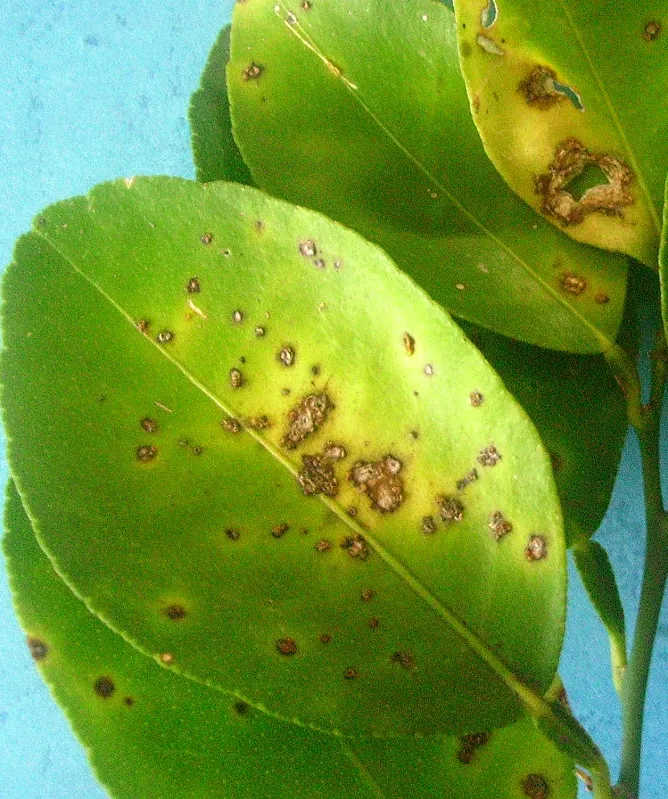
Identifying anthracnose involves observing distinctive circular, water-soaked, and sunken lesions on foliage and ripening fruits. On leaves, these spots often expand along veins and develop dark brown or black borders with lighter centers, eventually leading to leaf curling and premature defoliation. During periods of wet or humid weather, the center of fruit lesions produces a highly diagnostic salmon-pink to orange, gelatinous mass of spores (acervuli). Stems and woody twigs develop dark, firm, sunken cankers that cause terminal twig dieback.
Anthracnose has a broad host range, causing severe crop damage.
| Affected Crops / Plants | Severity Rating | Damage Symptoms |
|---|---|---|
| Mango, Papaya, Avocado | Extreme (⭐⭐⭐) | Black sunken lesions on fruit, post-harvest rot, flower blight |
| Beans, Chillies, Peppers | Extreme (⭐⭐⭐) | Sunken pods, stem cankers, concentric rings on ripening fruit |
| Cucumbers, Melons, Squash | High (⭐⭐) | Leaf spotting with yellow halos, dry angular rot spots |
The anthracnose pathogen overwinters as dormant mycelium inside infected seeds, twigs, or fallen plant debris. In spring and summer, when temperatures reach 20°C to 30°C and humidity levels soar above 80%, the fungus produces microscopic conidia. These sticky spores are primarily dispersed through rain splash, wind, overhead irrigation, and handling plants while wet. Once a spore lands on a host, it germinates and forms a pressure-inducing structure called an appressorium to puncture the cuticle. For organic management, prune and destroy all infected branches immediately, and apply preventive foliar sprays of liquid copper fungicides or cold-pressed neem oil to establish a protective barrier. Releasing compost tea or biological drenches with *Bacillus subtilis* is highly effective for soil health and suppressing fungal spores. Chemical control is achieved with protective or systemic fungicides containing chlorothalonil, mancozeb, or azoxystrobin, applied during bud-break or early fruit set. Prevent outbreaks by planting certified disease-free seeds, ensuring wide plant spacing to optimize air circulation, and avoiding overhead watering. For comprehensive botanical guidance, consult our Plant Disease Identifier Hub, or explore related fungal threats like Black Spot, Damping Off, and Powdery Mildew. For specialized diagnosis of related crop threats, see our guide on Grape Downy Mildew. For specialized diagnosis of related crop threats, see our guide on Laxman Bhog Mango.
Taxonomy & Features
- Named from Greek 'anthrax' meaning coal and 'nosos' meaning disease, referring to the dark, coal-like lesions it creates on plants.
- Sunken Fruit Cankers: Creates dark circular water-soaked sunken spots on fruit that produce salmon-pink slimy spore masses in wet conditions.
- Acervuli Spore Masses: Under high humidity, lesions are peppered with microscopic conidia-producing structures resembling gelatinous pink cushions.
- Twig Dieback: Fungus forms girdling sunken cankers around young stems, cutting off water supply and causing rapid shoot dieback.
- Overwintering Survival: Pathogen successfully overwinters as dormant stromata or mycelium inside fallen mummified fruits and leaf debris.
- Copper Shield Defense: Applying copper oxychloride or copper hydroxide creates an active copper ion shield that prevents spore germination.
Seasonal Outbreak Calendar
Outbreak risk and activity timeline for Anthracnose based on seasonal climate patterns:
Names in Different Languages
Affected Plant Species
Vegetables & Crops
- Chillies
- French Beans
- Tomatoes
- Bell Peppers
- Cucumbers
- Watermelons
Flowers & Ornamentals
- Roses
- Dahlias
- Zinnias
- Begonias
- Cyclamens
Fruits & Berries
- Mangoes
- Papayas
- Avocados
- Citrus
- Strawberries
- Grapes
Prevention & Cure
Natural & Organic Methods
- Twig Pruning: Prune out infected stems and twigs during winter or dry spells, and destroy them to reduce inoculum.
- Copper Hydroxide: Apply certified organic copper sprays early in the season to prevent conidia from establishing.
- Neem Oil: Spray leaves with 0.5-1% neem oil to coat foliage surfaces and disrupt fungal spore germination.
- Debris Sanitation: Rake up and burn all fallen leaves, twigs, and mummified fruit under plants after harvest.
Chemical & Professional Control
- Systemic Triazoles: Spray Propiconazole or Tebuconazole systemically to stop active fungal spread within host tissues.
- Strobilurins: Apply Azoxystrobin preventatively during flowering to protect developing fruit from infection.
- Broad-Spectrum Mancozeb: Use Mancozeb foliar sprays during prolonged wet spells to provide contact surface protection.
Frequently Asked Questions
What is the pink slime that appears on rotting fruit during rainy weather?
The gelatinous, pinkish-orange slime consists of millions of microscopic fungal spores (conidia) produced by Colletotrichum. The fungus aggregates these conidia in a water-soluble mucilage that protects them from drying out until raindrops splash them to new leaves and fruits.
Can I eat fruit that has anthracnose spots?
Yes, for minor infections, you can cut away the dark, sunken spots and consume the healthy parts of the fruit. The fungus is harmless to humans. However, severe anthracnose often leads to secondary bitter rot, ruining the fruit's flavor.
How do I distinguish anthracnose from early blight?
Early blight (Alternaria) produces dry, target-like spots with concentric yellow rings primarily on tomato leaves, rarely oozing spores. Anthracnose (Colletotrichum) produces sunken, circular spots on ripening fruit and stems that exude pinkish sticky spore masses during warm, humid conditions.
Recommended diagnostics based on crop family and symptoms:
Remedy Disclaimer & Safety Notice
This disease guide is for educational screening purposes only. Pathogen behavior, severity, and host susceptibility can vary dramatically based on seed variety, weather conditions, and regional microclimates. Chemical pesticides and organic treatments are subject to strict regional environmental regulations and registration mandates. Please verify all chemical registrations and review manufacturer safety labels carefully with local certified agronomists or agricultural extension service offices before applying.