
Psyllid Pest
Psylloidea
About Psyllid Pest
Psyllids, commonly known as jumping plant lice, are small, sap-sucking insects belonging to the superfamily *Psylloidea* under the order *Hemiptera*. These active plant pests are major agricultural threats across multiple crop families, particularly the Asian Citrus Psyllid (*Diaphorina citri*) and pear psylla (*Cacopsylla pyricola*). By feeding on phloem sap from tender leaves, shoots, and buds, psyllids stunt plant growth, cause foliar distortion, and excrete sticky honeydew. Crucially, they serve as principal vectors for devastating systemic plant diseases, such as Citrus Greening (Huanglongbing), making control imperative.
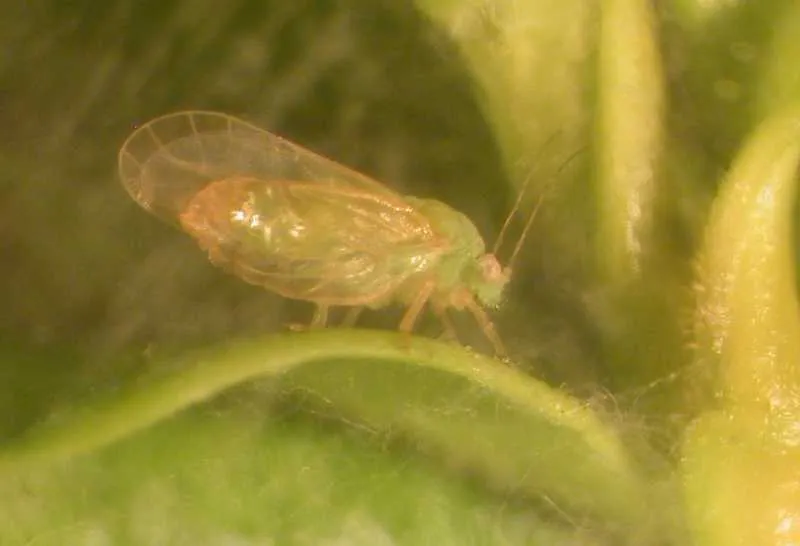
Identifying psyllids is aided by their distinct feeding posture and insect anatomy. Adults are tiny (2–4 mm long) with clear, roof-like wings held over their bodies. They sit at a characteristic 45-degree angle on stems while feeding. Nymphs are flat, yellowish-green, and produce distinct white, waxy curly tubules or threads of honeydew to prevent drowning in their own sugar excretions. Severe symptoms on foliage include leaf curling, yellowing, shoot dieback, and the growth of black sooty mold on sticky leaves.
Psyllids damage key citrus cultivars, stone fruits, and solanaceous crops.
| Crop/Plant Type | Severity Rating | Impact Description |
|---|---|---|
| Citrus (Orange, Lemon, Lime) | Extreme (⭐⭐⭐) | Vectors Citrus Greening bacteria (see our Asian Citrus Psyllid Guide), leading to bitter, lopsided green fruit, and tree death |
| Pears & Apples | High (⭐⭐) | Pear decline disease transmission, severe foliar necrosis, and fruit russeting from honeydew |
| Potatoes & Tomatoes | Medium (⭐) | Psyllid yellows disease (caused by toxic saliva), causing stunted vines and purple foliage |
Management relies on monitoring flight activity using yellow sticky traps and encouraging natural predators like ladybugs, hoverflies, and lacewings. Organic controls include foliar neem oil, insecticidal soaps, and kaolin clay barriers to deter feeding. Chemical control relies on systemic insecticides like imidacloprid or contact sprays like spinetoram. For details on specific species dossiers, explore our guide on the Asian Citrus Psyllid, or visit our Plant Disease Identifier Hub and related sucking pest profiles like Citrus Greening, Citrus Canker, and Scale Insect.
Taxonomy & Features
- 45-Degree Feeding Posture: Adults sit at a distinct 45-degree angle with their heads down when sap-feeding on twigs.
- Waxy Curly Filaments: Wingless nymphs produce white, curly, waxy tubules that project from their bodies.
- Sticky Honeydew Deposits: Excretes large volumes of sugary waste, encouraging black sooty mold growth on crops.
- Psyllid Yellows Saliva: Injects toxic saliva while feeding, causing leaf yellowing and purple leaf margins on potatoes.
- Disease Vector: Transports lethal plant pathogens, most notably the Candidatus Liberibacter species causing Citrus Greening.
- Strong Jumping Ability: Equipped with powerful hind legs, adult psyllids jump rapidly when disturbed or shaken.
Seasonal Outbreak Calendar
Outbreak risk and activity timeline for Psyllid Pest based on seasonal climate patterns:
Names in Different Languages
Affected Plant Species
Vegetables & Crops
- Potato
- Tomato
- Eggplant
Flowers & Ornamentals
- Eugenia
- Acacia
- Boxwood
Fruits & Berries
- Orange
- Lemon
- Lime
- Grapefruit
- Pear
Prevention & Cure
Natural & Organic Methods
- Beneficial Insect Release: Release parasitic wasps (Tamarixia radiata) or green lacewings into the canopy.
- Kaolin Clay Barrier: Spray foliage with kaolin clay to create a powdery film that deters psyllid feeding.
- Neem Oil Treatments: Spray 1-2% cold-pressed neem oil to disrupt nymph molting cycles.
Chemical & Professional Control
- Systemic Neonicotinoids: Apply imidacloprid as a soil drench around citrus tree roots in early spring.
- Spinetoram Spraying: Use spinetoram (Delegate) during peak adult flight periods for rapid knockdown.
- Horticultural Oil: Drench twigs with dormant horticultural oils during winter to suffocate overwintering eggs.
Frequently Asked Questions
Do psyllids bite humans or carry human diseases?
No. Psyllids feed exclusively on plant sap and cannot bite humans or animals, nor do they transmit any human pathogens.
What is the connection between psyllids and Citrus Greening?
The Asian Citrus Psyllid acquires the Candidatus Liberibacter bacteria while feeding on infected trees and injects it into healthy trees. The disease is incurable and kills citrus trees.
How do I differentiate psyllids from aphids?
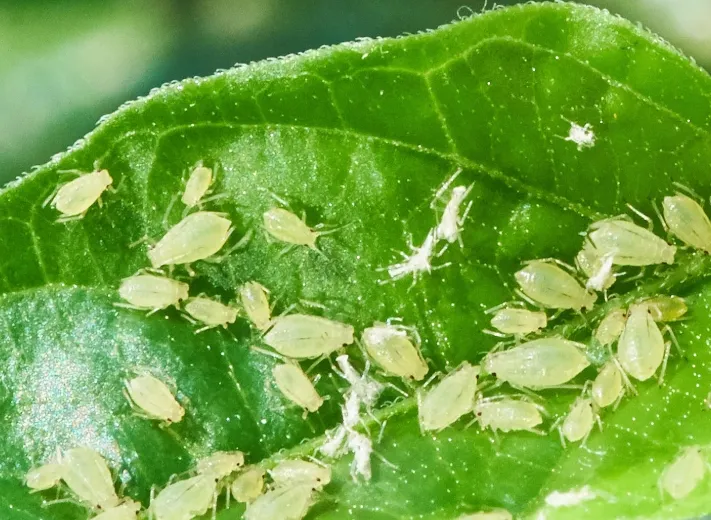
Adult psyllids jump actively when disturbed, have stronger legs, and lack the twin cornicles (tailpipes) found on the rear of aphids.
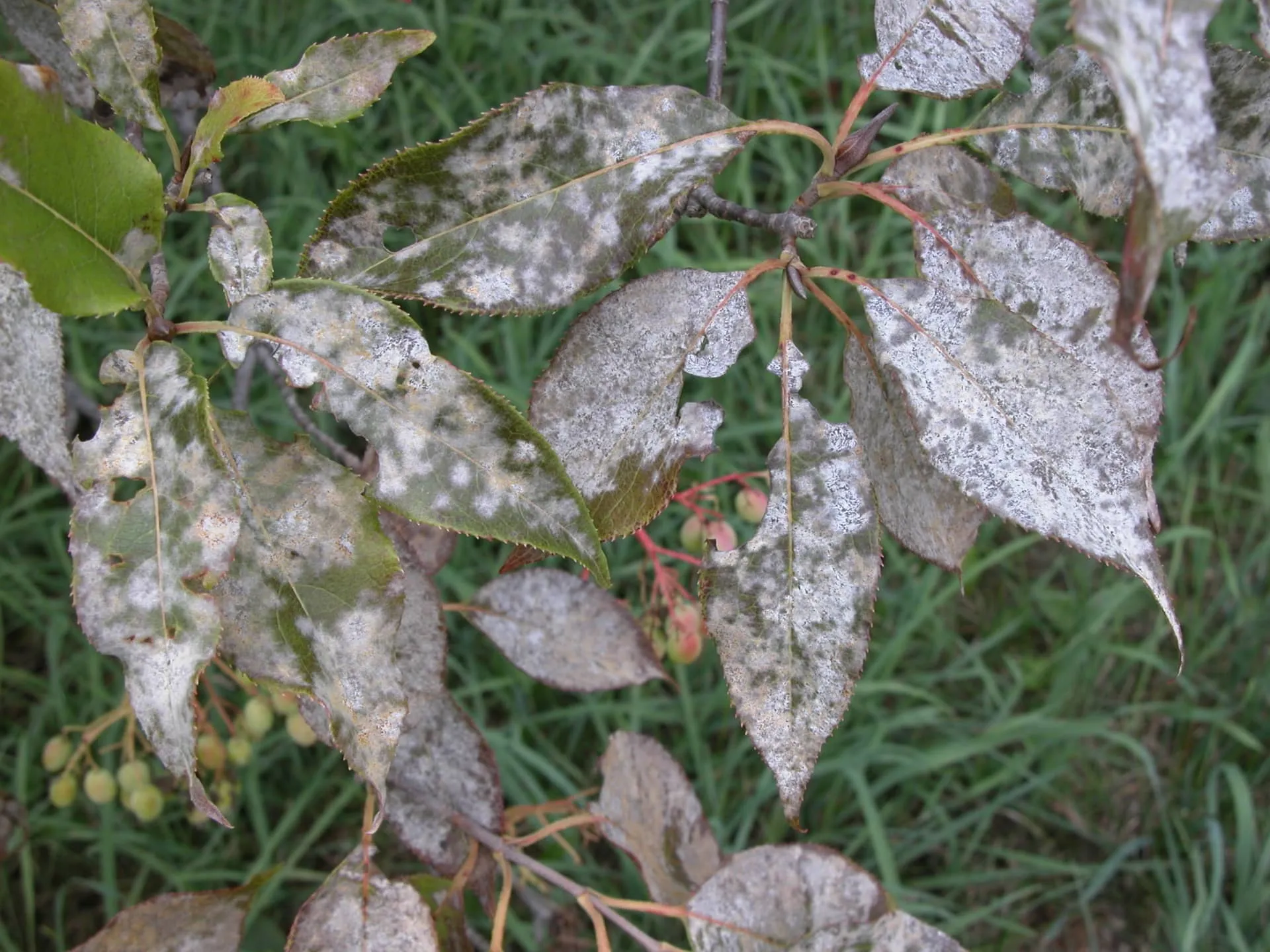
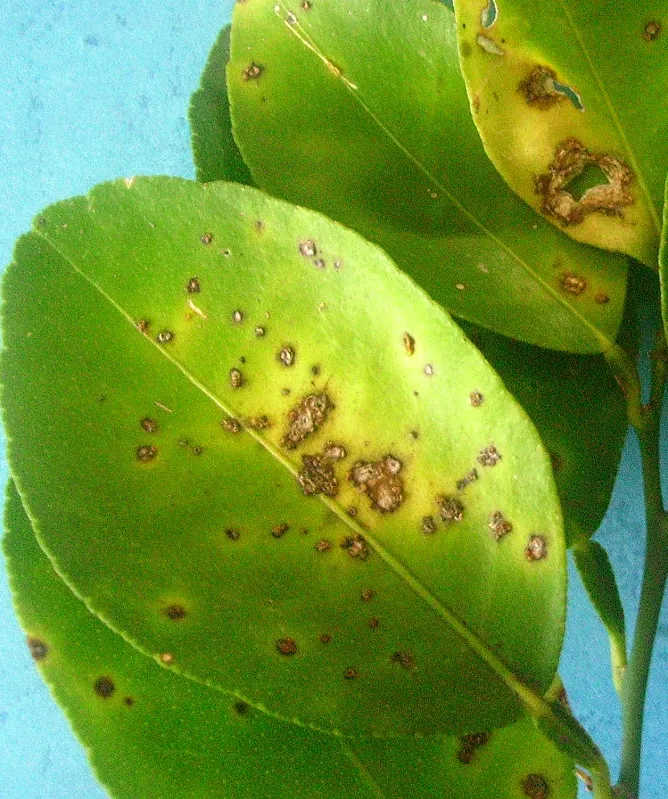
Recommended diagnostics based on crop family and symptoms:
Remedy Disclaimer & Safety Notice
This disease guide is for educational screening purposes only. Pathogen behavior, severity, and host susceptibility can vary dramatically based on seed variety, weather conditions, and regional microclimates. Chemical pesticides and organic treatments are subject to strict regional environmental regulations and registration mandates. Please verify all chemical registrations and review manufacturer safety labels carefully with local certified agronomists or agricultural extension service offices before applying.