
Peach Leaf Curl
Taphrina deformans
About Peach Leaf Curl
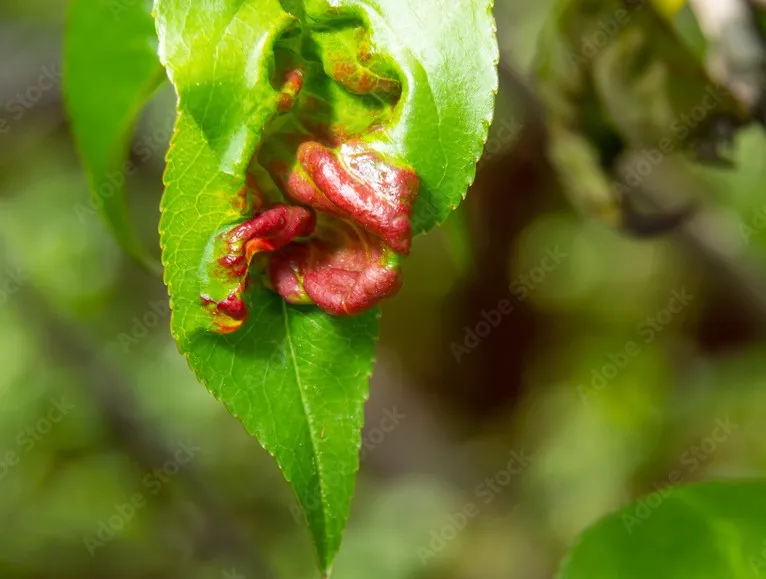
Peach Leaf Curl is a widespread and highly damaging fungal disease caused by the specialized ascomycete pathogen *Taphrina deformans*. This fungal disease primarily attacks peach and nectarine trees, though it can occasionally affect almonds and apricots. The pathogen operates as a biotrophic parasite, meaning it infects living plant cells and secretes hormones (specifically auxins) that disrupt normal leaf cell division. This hormone imbalance causes cells on one side of the leaf to divide much faster than the other, leading to severe twisting, puckering, and grotesque leaf distortion that compromises the tree's photosynthetic capacity, resulting in early defoliation and major loss of crop yield.
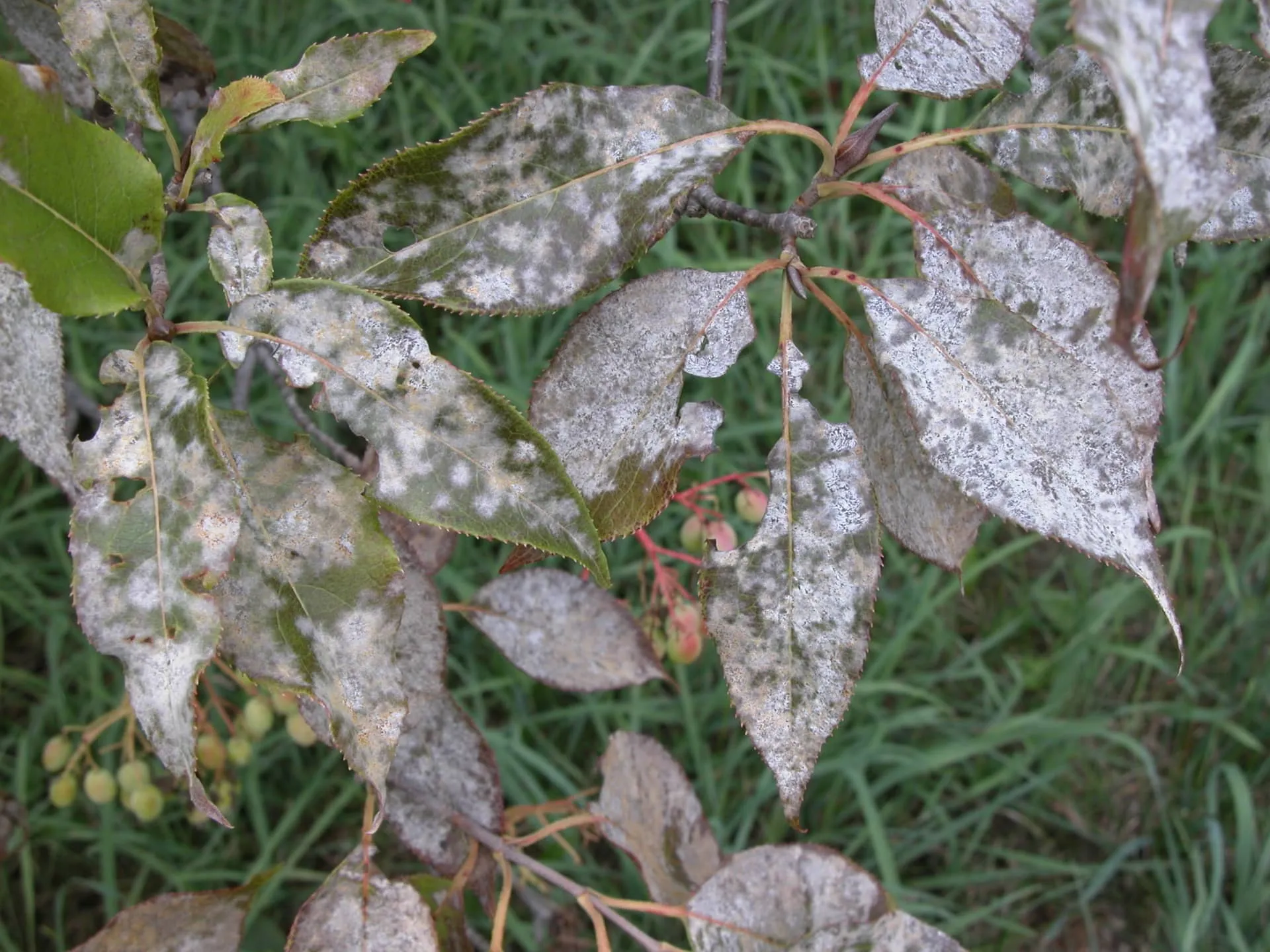
The visual symptoms of Peach Leaf Curl are highly distinctive and cannot be easily mistaken. In early spring as leaves emerge, infected areas turn thick, rubbery, and severely puckered or distorted with a yellow, pink, or bright red coloration. As the fungus matures on the leaf surface, it produces a powdery, velvet-like white layer of microscopic asci (spore sacs), giving the deformed leaves a frosted or silver appearance. Eventually, these distorted leaves turn brown, wither, and drop prematurely from the tree, forcing the host to expend critical energy reserves to grow a second set of foliage, which weakens the tree and ruins fruit production.
The lifecycle of *Taphrina deformans* is highly dependent on wet, cool spring weather, with optimal infection occurring at temperatures between 10°C and 21°C during bud swell. The microscopic fungal spores (blastospores) overwinter on the bark, bud scales, and branches of the tree, remaining dormant throughout the winter rains. When the leaf buds begin to open in spring, rain splashes these spores into the expanding bud, where they immediately germinate and infect the young, tender leaves.
| Host Crop / Variety | Severity Rating | Impact Description |
|---|---|---|
| Peaches (Elberta, Cresthaven) | Extreme (⭐⭐⭐) | Grotesque curling, severe defoliation & crop loss |
| Nectarines (Sun Red, Fantasia) | Extreme (⭐⭐⭐) | Total defoliation, deformed or stunted fruit |
| Almonds & Apricots | Medium (⭐) | Mild leaf puckering, minimal yield reduction |
Treating Peach Leaf Curl must occur before the buds swell in spring; once the characteristic distorted leaves are visible on the tree, chemical sprays are completely ineffective for that season. The primary control strategy relies on a single preventive spray of a copper-based fungicide or liquid lime-sulfur applied during dormancy in late autumn or early spring before bud break. For trees currently showing active symptoms, maintain their vigor by applying extra nitrogen fertilizer, thinning developing fruit to reduce crop load, and ensuring adequate deep watering. For complete horticultural guides, browse our Plant Disease Identifier Hub, or read related articles on Bacterial Canker, Brown Rot, and Black Spot Disease.
Taxonomy & Features
- Puckered Distortion: Grotesque, rubbery, and thickened twisting of leaf blades, caused by fungal auxins disrupting natural cell division.
- Vivid Red/Pink Galls: Infected leaf sections lose their green chlorophyll, turning highly noticeable shades of bright red, pink, or yellow.
- Velvety Spore Frost: As the disease reaches peak maturity, leaf surfaces develop a frosted, white velvety appearance from microscopic ascospore sacs.
- Early Spring Bud Swell: Spores overwintering on bark scales germinate during rainy spring days, targeting emerging leaf tips specifically.
- Double-Foliage Exhaustion: Defoliated trees are forced to deplete critical winter energy reserves to grow a secondary flush of mid-summer leaves.
- Preventive Dormancy Spray: A single thorough application of liquid copper in late autumn or winter breaks the overwintering blastospore cycle completely.
Seasonal Outbreak Calendar
Outbreak risk and activity timeline for Peach Leaf Curl based on seasonal climate patterns:
Names in Different Languages
Affected Plant Species
Vegetables & Crops
- None documented (Pathogen is strictly host-specific to woody Prunus trees)
Flowers & Ornamentals
- Almond Blossom (Prunus dulcis)
- Ornamental Peach
- Double Flowering Plum
Fruits & Berries
- Peach (Primary host)
- Nectarine (Highly susceptible)
- Apricot (Occasional)
- Plum (Occasional)
Prevention & Cure
Natural & Organic Methods
- Resistant Cultivars: Plant curl-resistant peach varieties such as 'Frost', 'Indian Free', or 'Avalon Pride'.
- Leaf Clean Up: Rake, bag, and destroy all fallen leaves immediately to prevent fungal spores from washed back into soil bark.
- Tree Vigor Maintenance: Apply high-nitrogen organic compost and water deeply during summer to help defoliated trees recover.
- Fruit Thinning: Thin young developing fruit on actively infected trees to prevent physiological stress on weakened branches.
Chemical & Professional Control
- Copper Fungicides: Apply a thorough spray of liquid copper hydroxide or copper sulfate during deep winter dormancy.
- Lime-Sulfur: Apply lime-sulfur spray during late autumn leaf drop to coat branches and kill overwintering spores.
- Chlorothalonil: Use as a highly effective non-systemic protective spray applied exactly at bud-swell stage.
Frequently Asked Questions
Can I spray my tree now that the leaves are actively curling?
No. Spraying copper or other fungicides during the growing season when leaves are curled is completely useless. The fungus has already penetrated the leaf tissue. Treatment must be done preventively during winter dormancy.
Are the fruits from an infected peach tree safe to eat?
Yes. While the fruit may appear smaller, slightly deformed, or drop prematurely due to the tree's weakened state, the peach fruit itself is perfectly safe and non-toxic for human consumption.
Why does my peach tree get this disease every year?
The spores of Taphrina deformans reside permanently on your tree's bark and bud scales. If you do not apply a preventive copper or lime-sulfur spray during winter, the cool and rainy spring weather will trigger a fresh infection cycle every single year.
Recommended diagnostics based on crop family and symptoms:
Remedy Disclaimer & Safety Notice
This disease guide is for educational screening purposes only. Pathogen behavior, severity, and host susceptibility can vary dramatically based on seed variety, weather conditions, and regional microclimates. Chemical pesticides and organic treatments are subject to strict regional environmental regulations and registration mandates. Please verify all chemical registrations and review manufacturer safety labels carefully with local certified agronomists or agricultural extension service offices before applying.