
Sooty Mold
Capnodium spp.
About Sooty Mold
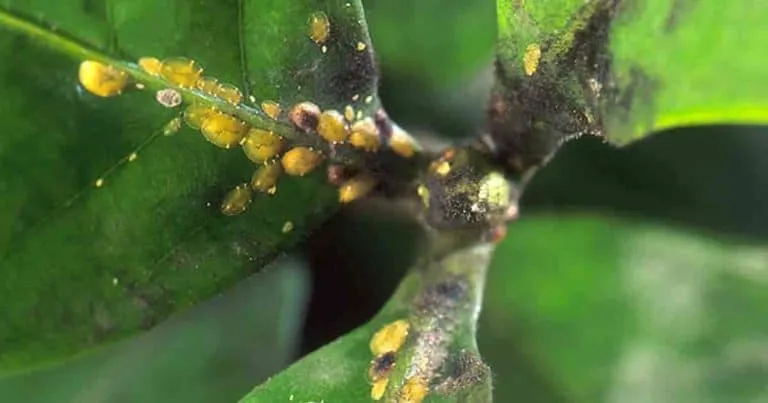
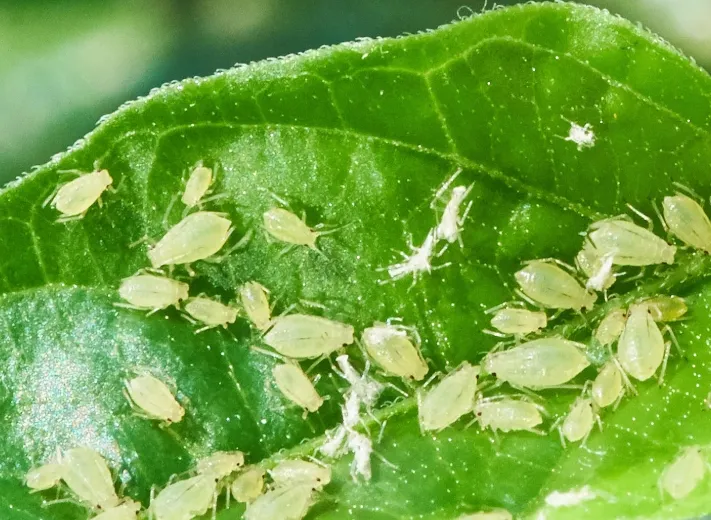
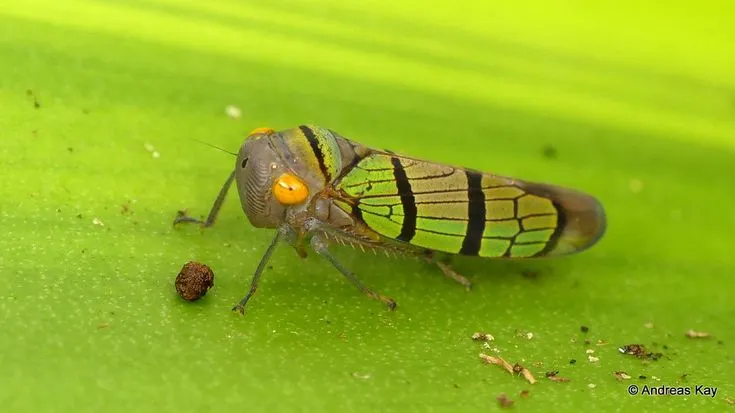
Sooty Mold, caused by a group of dark-colored saprophytic ascomycete fungi (most notably species within the genus *Capnodium*), is a highly common and conspicuous foliar condition that targets a vast array of ornamental, fruit, and vegetable crops. Classed under the family *Capnodiaceae* in the order *Capnodiales*, the fungus is not a plant pathogen; it does not infect or feed on plant tissues directly. Instead, it behaves as an opportunist, growing exclusively on the sticky, sugar-rich 'honeydew' excreted by sap-sucking insect pests (such as aphids, scale insects, whiteflies, and psyllids) that colonize the host plant canopy.
Identifying sooty mold is simple due to its highly diagnostic black, velvety appearance on plant parts. The foliage, stems, and fruits become coated in a dry, powdery, or sticky black layer that resembles a heavy coating of charcoal soot or chimney ash. Unlike true leaf spot pathogens, this black layer can be easily rubbed or washed off the leaf surface using water, exposing healthy green leaf tissue underneath. Foliage symptoms underneath the black mold include generalized leaf yellowing (chlorosis) and early leaf drop because the dense black fungal layer physically blocks sunlight, preventing vital photosynthesis.
Because Sooty Mold relies entirely on insect honeydew, review this insect vector and host severity breakdown:
| Primary Honeydew Vector | High-Risk Crop Hosts | Mold Impact & Vector Link |
|---|---|---|
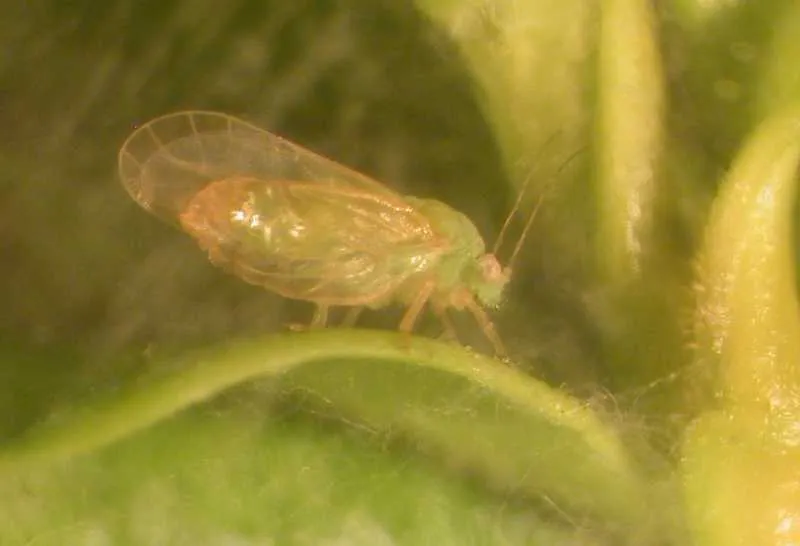
| Asian Citrus Psyllid (Diaphorina citri) | Sweet Orange, Lemon, Lime, Orange Jasmine | Heavy black soot on leaves & fruit (see our Asian Citrus Psyllid Guide) |
| Aphids (Aphididae) | Roses, Cucumbers, Beans, Leafy Greens | Dense sticky honeydew film (see our Aphid Guide) |
| Scale Insects & Mealybugs | Mango, Guava, Gardenia, Crape Myrtle | Thick crusty soot on woody stems (see our Scale Insect Guide) |
| General Psyllids (Psylloidea) | Pears, Apples, Potatoes, Tomatoes | Waxy tubules & sugary deposits (see our General Psyllid Guide) |
The life cycle of sooty mold is entirely dependent on the presence of honeydew-producing sucking insects. The fungal spores (conidia) are spread by wind, splashing rain, and crawling ants. When conidia land on honeydew-coated leaves, they germinate and form a dark network of microscopic threads (mycelium) that feeds exclusively on the sugary insect waste, multiplying rapidly in warm, humid weather. Organic management focuses on controlling the underlying sucking insect pests using organic neem oil, horticultural oils, or insecticidal soaps. Blasting foliage with soapy water washes off both honeydew and the black mold. Chemical insecticides are used to eradicate the insect vectors. For complete pest and mold guides, visit our Plant Disease Identifier Hub, or explore related threat profiles like Asian Citrus Psyllid, Psyllids, Aphids, Scale Insects, and Whiteflies.
Taxonomy & Features
- Saprophytic Fungal Nature: The fungus (Capnodium) is entirely non-pathogenic, meaning it does not invade or feed on green plant tissues directly.
- Insect Honeydew Dependency: Grows exclusively on the sticky, sugary 'honeydew' liquid excreted by phloem-sucking insect pests.
- Wash-Off Diagnostic: The black velvety layer can be easily wiped, rubbed, or washed off using soapy water, revealing healthy green leaves underneath.
- Photosynthesis Starvation: Thick black fungal blankets physically block sunlight, stopping vital photosynthesis and causing leaf yellowing.
- Fruit Aesthetic Stain: Stains citrus and mango fruits with black soot-like patches, making harvested yields unmarketable for consumers.
- Ant Protective Symbiosis: Sticky honeydew attracts crawling ants, which actively protect the sucking insects from beneficial ladybugs to secure their food.
Seasonal Outbreak Calendar
Outbreak risk and activity timeline for Sooty Mold based on seasonal climate patterns:
Names in Different Languages
Affected Plant Species
Vegetables & Crops
- Tomato
- Pepper
- Cucumbers
- Okra
Flowers & Ornamentals
- Gardenia
- Camellias
- Hibiscus
- Roses
- Oleander
Fruits & Berries
- Citrus (Lemon, Lime, Orange)
- Mango
- Guava
- Pomegranate
- Fig
Prevention & Cure
Natural & Organic Methods
- Eradicate Sucking Insects: Apply direct organic sprays of 1% neem oil or insecticidal soaps to eliminate aphid, scale, and whitefly colonies.
- Foliar Soap Washing: Spray infested foliage with a mild solution of dish soap and warm water; let sit for 10 minutes, then rinse with a hose to wash away mold.
- Ant Barriers: Apply sticky barriers (Tanglefoot) around tree bases to block crawling ants, allowing ladybugs to consume sucking insects.
- Pruning for Air Flow: Prune out inner branches to increase sunlight and wind penetration, which dries up sticky honeydew deposits.
Chemical & Professional Control
- Systemic Insecticides: Apply soil drenches of imidacloprid or dinotefuran to valued ornamentals to systematically eliminate honeydew producers.
- Acetamiprid Sprays: Spray foliar neonicotinoids to rapidly knock down dense whitefly or aphid clusters on citrus and mango.
- Direct Fungicides: Spraying fungicides is **not recommended**; the mold disappears naturally once the sucking insect food source is eliminated.
Frequently Asked Questions
Is Sooty Mold directly feeding on or rotting my plant's leaves?
No. The Sooty Mold fungi are entirely saprophytic, meaning they do not invade or feed on green plant cells or wood. Instead, they strictly live on the surface of leaves and twigs, feeding exclusively on the sticky, sugary 'honeydew' liquid excreted by sap-sucking insects. The mold will naturally die and flake off once the insects are eliminated.
How do I easily remove Sooty Mold from my plant's leaves?
Because the mold is not attached inside the plant tissue, it can be physically washed off. Sieve a warm water spray mixed with 1-2% dishwashing soap or horticultural soap directly onto the blackened foliage. Allow it to soak for 5-10 minutes to soften the crusty layer, then blast the leaves with a firm water stream from your hose.
What is the relationship between ants and Sooty Mold?
Ants do not feed on the mold, but they are highly attracted to the sweet, sticky insect honeydew. To protect this food source, ants actively farm and protect honeydew-secreting pests (like aphids and scales) from beneficial predators (like ladybugs). High numbers of crawling ants indicate a heavy honeydew deposit and upcoming sooty mold.
Recommended diagnostics based on crop family and symptoms:
Remedy Disclaimer & Safety Notice
This disease guide is for educational screening purposes only. Pathogen behavior, severity, and host susceptibility can vary dramatically based on seed variety, weather conditions, and regional microclimates. Chemical pesticides and organic treatments are subject to strict regional environmental regulations and registration mandates. Please verify all chemical registrations and review manufacturer safety labels carefully with local certified agronomists or agricultural extension service offices before applying.