
Leafhopper
Cicadellidae
About Leafhopper
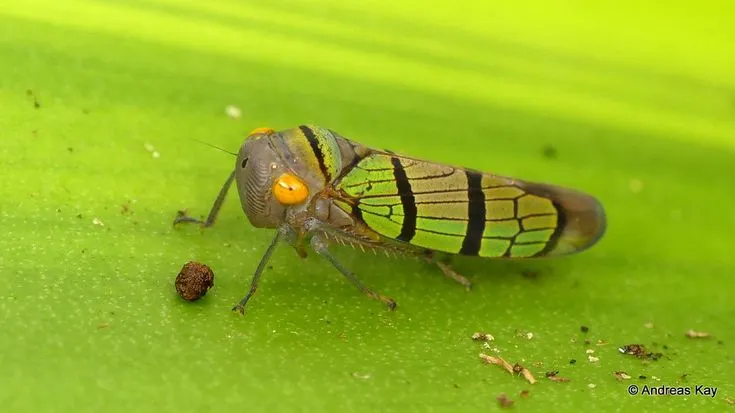
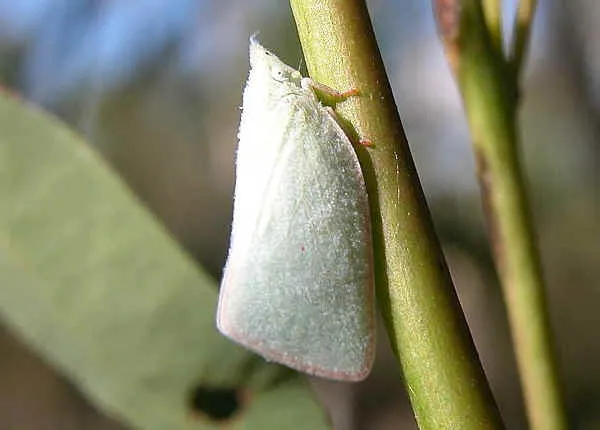
The Leafhopper (family Cicadellidae, featuring major pest species like the Potato Leafhopper, Empoasca fabae) is a highly active, sap-sucking insect pest belonging to the order Hemiptera. Globally distributed with over 20,000 species, leafhoppers are wedge-shaped, slender, and colored bright green, yellow, or speckled brown. They are exceptionally notorious for feeding on the vascular sap of host plants. By piercing the plant cells of leaves, stems, and petioles, they extract vital nutrients. They also inject toxic saliva that blocks vascular tissue, causing a distinctive foliage scorch known as 'hopperburn'. Furthermore, they act as primary vectors for devastating systemic phytoplasmas and viruses.
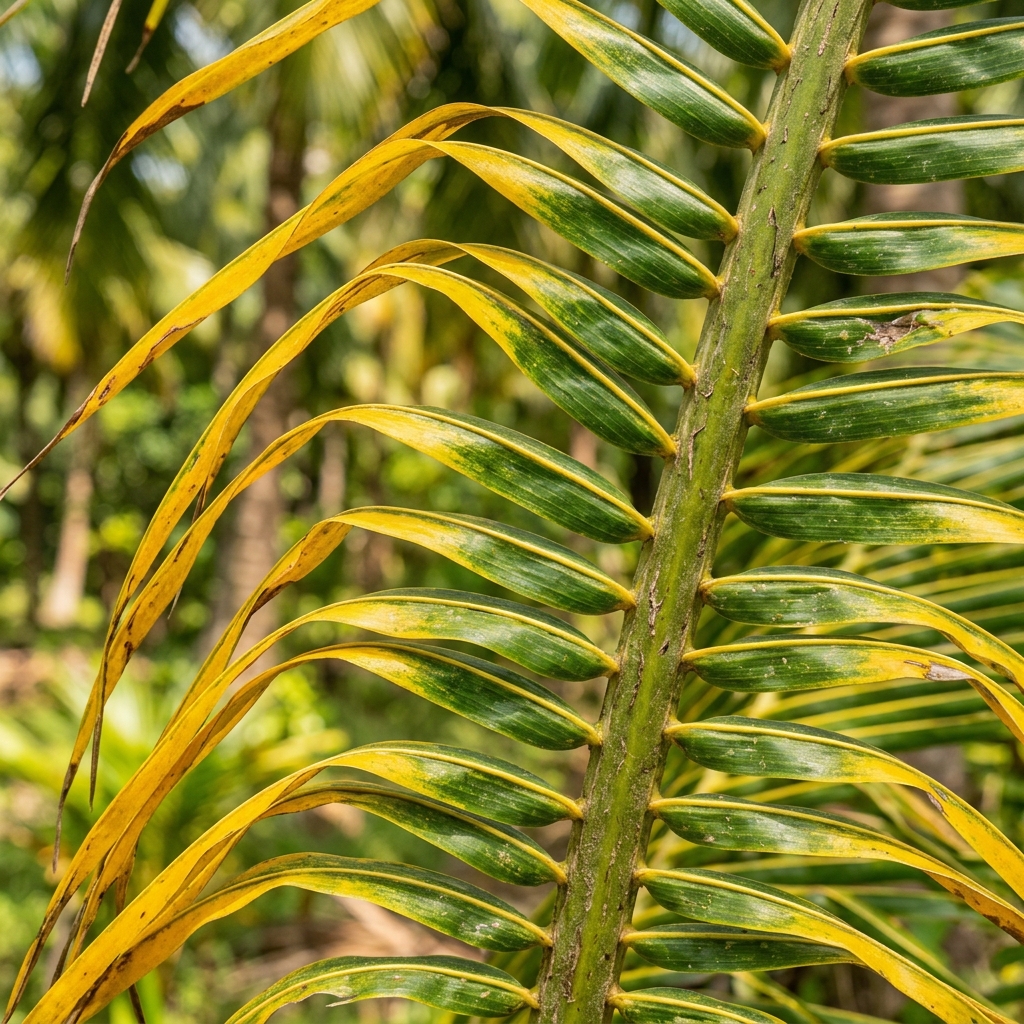
Identifying a Leafhopper infestation involves checking the leaf undersides and watching plant movement. When a branch is shaken, hundreds of tiny, wedge-shaped insects (3–6 mm) will leap or fly away. Look for their unique 'crab-like' sideways crawling motion when disturbed. Early damage appears as fine, light-yellow spotting (stippling) on upper leaf surfaces. Soon, heavy feeding causes 'hopperburn': leaf margins turn bright yellow, curl downward, and dry into a wedge-shaped brown crust. Under leaf surfaces, look for cast-off white nymph skins (exuviae) and sticky droplets of sweet honeydew, which often attract black sooty mold.
Leafhoppers thrive in warm, dry weather (22°C to 30°C), with many temperate species migrating hundreds of miles on spring wind currents from warm southern regions. Females insert banana-shaped eggs directly into plant veins and petioles. The flightless nymphs emerge in 7 to 10 days, passing through five growth stages over 2 to 3 weeks before becoming winged adults. Due to their fast cycle, they can produce 3 to 6 overlapping generations per summer, leading to rapid population booms.
| Crop/Plant Type | Severity Rating | Impact Description |
|---|---|---|
| Potatoes & Green Beans | Extreme (⭐⭐⭐) | Severe hopperburn, complete leaf death, and massive yield failures |
| Wine Grapes | High (⭐⭐) | Vectoring lethal Pierce's Disease, leaf shriveling, reduced sugar content |
| Dahlias, Zinnias & Asters | Medium (⭐) | Vectoring Aster Yellows (mutates flowers into leafy growths), stippled leaves |
Successful Leafhopper management involves early detection and protective barriers. Natural strategies focus on reflective mulches, yellow sticky traps, and releasing green lacewings. Chemical controls rely on applying systemic acetamiprid or contact pyrethrins when nymph populations start rising. For complete crop threat resources, visit our Plant Disease Identifier Hub, or explore related threat profiles like Stink Bug, Cucumber Beetle, and Bacterial Canker.
Taxonomy & Features
- Wedge Slender Profile: Tiny, wedge-shaped insects colored bright green or brown that jump instantly when disturbed.
- Hopperburn Vascular Scorch: Toxic feeding saliva plugs internal vascular tissue, making leaves yellow and dry brown.
- Sideways Crab Crawl: Crawls in a highly characteristic sideways direction when disturbed on leaf surfaces.
- Phytoplasma Disease Vector: Acts as a primary vector spreading Aster Yellows and Pierce's Disease.
- Egg Leaf-Insertion: Females use sharp ovipositors to insert eggs directly inside leaf veins and petioles.
- Cast-Off Nymph Skins: Heavy infestations leave behind thousands of dry, white cast-off skins on leaf undersides.
Seasonal Outbreak Calendar
Outbreak risk and activity timeline for Leafhopper based on seasonal climate patterns:
Names in Different Languages
Affected Plant Species
Vegetables & Crops
- Potatoes
- Green Beans
- Eggplants
- Sweet Potatoes
- Lettuce
- Celery
Flowers & Ornamentals
- Marigolds
- Dahlias
- Zinnias
- Asters
- Chrysanthemums
Fruits & Berries
- Grapes
- Strawberries
- Apples
- Raspberries
Prevention & Cure
Natural & Organic Methods
- Reflective Mulch: Lay silver reflective mulch along crop rows early in spring to blind and deter incoming flying leafhoppers.
- Insecticidal Soap: Spray organic insecticidal soaps directly on leaves, making sure to coat the leaf undersides where nymphs live.
- Beneficial Insects: Release green lacewings or ladybug larvae to consume soft-bodied leafhopper nymphs naturally.
- Sticky Traps: Hang yellow sticky cards just above the plant canopy to capture active, flying adult leafhoppers.
Chemical & Professional Control
- Acetamiprid Systemic: Spray systemic acetamiprid to eradicate leafhoppers hiding on the undersides of dense foliage.
- Pyrethrin Knockdown: Apply pyrethrin sprays to provide fast contact knockdown of dense leafhopper infestations.
- Spinosad Spray: Apply spinosad formulations to control leafhopper nymphs on vegetables and ornamental foliage.
Frequently Asked Questions
What is 'hopperburn'?
'Hopperburn' is a distinct damage symptom caused by leafhoppers injecting toxic saliva as they feed, which blocks the plant's vascular system, causing leaf margins to turn yellow, curl downward, and brown into a triangular dry burn.
Why are Leafhoppers considered dangerous vectors?
Leafhoppers are notorious vectors for highly destructive plant diseases, including Aster Yellows phytoplasma and Pierce's Disease in grapevines, spreading pathogens as they move and feed.
How do Leafhoppers move?
Leafhoppers have powerful hind legs that allow them to jump or hop immense distances when disturbed, combined with a highly characteristic sideways 'crab-like' crawling motion when running on leaves.
Recommended diagnostics based on crop family and symptoms:
Remedy Disclaimer & Safety Notice
This disease guide is for educational screening purposes only. Pathogen behavior, severity, and host susceptibility can vary dramatically based on seed variety, weather conditions, and regional microclimates. Chemical pesticides and organic treatments are subject to strict regional environmental regulations and registration mandates. Please verify all chemical registrations and review manufacturer safety labels carefully with local certified agronomists or agricultural extension service offices before applying.