
Root Rot
Phytophthora spp., Pythium spp.
About Root Rot
Root Rot, caused by a diverse complex of soil-borne oomycete and fungal pathogens (most notably *Phytophthora* spp. and *Pythium* spp. of the family *Peronosporaceae*, alongside fungal genera like *Rhizoctonia* and *Fusarium*), is a devastating, potentially lethal soil-borne disease affecting virtually all container and field crops. Classed under the phylum *Oomycota* (for water molds), these pathogens target plant roots in over-saturated, poorly drained soils. The microscopic spores actively infect, rot, and destroy the plant's delicate root hairs and feeder roots, stripping the plant of its water and nutrient-absorbing structures, leading to rapid stunting, systemic wilting, and collapse.
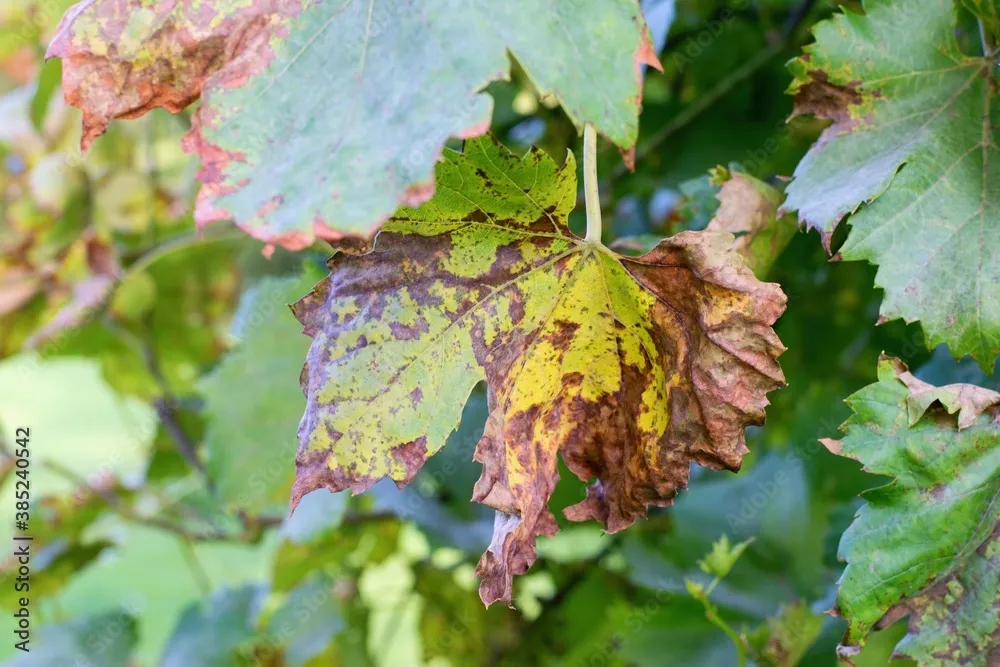
Identifying root rot involves looking for both above-ground foliage signals and below-ground root symptoms. Above ground, foliage shows slow growth, generalized leaf yellowing (chlorosis), leaf curling, and sudden wilting of branches, even when the surrounding soil is completely wet. Slicing open the soil base exposes the key diagnostic indicator: instead of firm, clean, white roots, the root system is dark brown-to-black, mushy, slimy, and easily falls apart when touched. In early stages, the outer root sheath (cortex) easily slips off the inner thread-like core when pulled.
Root rot has a universal host range, posing an extreme hazard to indoor houseplants, garden vegetables, and major agricultural fruit trees under excess irrigation.
| Affected Crops / Plants | Severity Rating | Damage Symptoms |
|---|---|---|
| African Violets, Peace Lilies, Poinsettias | Extreme (⭐⭐⭐) | Sudden wilting, mushy black roots, leaf drop, crown collapse, plant death |
| Citrus, Avocado, Apple Trees | Extreme (⭐⭐⭐) | Collar rot cankers at soil line, twig dieback, chlorotic leaves, lower fruit yields |
| Tomatoes, Beans, Cucurbits | High (⭐⭐) | Damping-off of seedlings, stunted vegetative growth, lower root volume |
The oomycete pathogens overwinter as resilient resting spores (oospores) in soil and plant debris. In saturated soil conditions, oospores germinate to produce sporangia, which release swimming biflagellate zoospores that navigate through soil water pores to locate and colonize plant roots. Spread occurs via contaminated soil, runoff water, nursery stocks, and farm tools. Organic management focuses on preventing waterlogging: allowing potting soil to dry between waterings, using highly porous well-draining soil mixes, and using raised beds. Beneficial soil microbes like *Trichoderma harzianum* or *Bacillus subtilis* provide effective biological protection. Chemical controls rely on soil drenches of metalaxyl-M or fosetyl-Al. For complete root disease guides, visit our Plant Disease Identifier Hub, or explore similar threat profiles like Damping-Off, Sudden Oak Death, and Clubroot. For specialized diagnosis of related crop threats, see our guide on Snails & Slugs.
Taxonomy & Features
- Mushy Root Rotting: Destroys delicate feeder roots and root hairs, turning them dark brown-to-black, slimy, mushy, and decaying.
- Easy-Slip Cortex: A diagnostic test in early stages where the outer soft root tissue easily slips off the tough, thread-like inner core when gently pulled.
- Waterlogged Soil Catalyst: Saturated, poorly drained, and clay-heavy soil mixes completely deprive roots of oxygen, triggering spore attacks.
- Flagging While Wet: Leaves curl and branches wilt severely even when the surrounding soil is heavily saturated with water.
- Collar Rot Cankers: In fruit trees, infections cause cankers at the soil line, weeping sap and girdling the trunk to block sap flow.
- Zoosporic Water Swimming: Sporangia release microscopic zoospores equipped with dual whip-like flagella that actively swim through wet soil pores to find roots.
Seasonal Outbreak Calendar
Outbreak risk and activity timeline for Root Rot based on seasonal climate patterns:
Names in Different Languages
Affected Plant Species
Vegetables & Crops
- Tomato
- Peppers
- Beans
- Peas
- Cucumber
Flowers & Ornamentals
- Peace Lily
- Poinsettia
- African Violet
- Geraniums
- Petunias
Fruits & Berries
- Citrus (Lemon, Orange)
- Avocado
- Apple
- Strawberry
- Blueberry
Prevention & Cure
Natural & Organic Methods
- Avoid Waterlogging: Allow the top 1 to 2 inches of potting soil to dry out completely between waterings; never let pots sit in standing water trays.
- Well-Drained Soil Mixes: Use highly porous, loose potting media incorporating coarse sand, perlite, or pumice to maximize soil aeration.
- Trichoderma Inoculation: Treat planting holes or potting mixes with beneficial predatory fungi (Trichoderma harzianum) to destroy root pathogens.
- Raised Beds: Grow garden vegetables in raised beds or on elevated ridges to accelerate water drainage away from roots.
Chemical & Professional Control
- Fungicide Soil Drenches: Drench soil bases with systemic mefenoxam (Subdue Maxx) or metalaxyl-M to treat Phytophthora and Pythium.
- Fosetyl-Al Treatments: Apply systemic fosetyl-Al (Aliette) as a foliar spray or drench; it triggers the plant's own immune system to fight root rot.
- Nursery Sterilization: Sterilize reused container pots with a 10% bleach solution before transplanting new seedlings.
Frequently Asked Questions
Can a plant recover from Root Rot?
If detected early (when only a small portion of the root system is dark or mushy), a plant can often be saved. Uproot the plant, wash away all soil, and use sterile shears to prune off all dark, slimy, rotting roots until only clean, white roots remain. Re-pot the plant in a fresh, highly sterile, well-draining potting mix in a pot with drainage holes.
Why does Root Rot make leaves wilt even when the soil is completely wet?
Roots require oxygen to respire and absorb water. Over-saturated, waterlogged soil drives all oxygen out of the soil pores, essentially suffocating the roots. This oxygen starvation, combined with root rot pathogens decaying the tissue, completely destroys the root hairs. Since the roots are dead, they can no longer absorb water, causing the plant to wilt from extreme thirst even in wet soil.
How do water mold pathogens spread in the soil?
Pathogens like Phytophthora and Pythium produce specialized microscopic structures called 'sporangia.' When the soil becomes flooded or waterlogged, these sporangia release millions of tiny swimming spores called 'zoospores' equipped with two whip-like tails. These zoospores actively swim through soil water pores, attracted by chemical signals emitted by plant roots.
Recommended diagnostics based on crop family and symptoms:
Remedy Disclaimer & Safety Notice
This disease guide is for educational screening purposes only. Pathogen behavior, severity, and host susceptibility can vary dramatically based on seed variety, weather conditions, and regional microclimates. Chemical pesticides and organic treatments are subject to strict regional environmental regulations and registration mandates. Please verify all chemical registrations and review manufacturer safety labels carefully with local certified agronomists or agricultural extension service offices before applying.