
Mango Hopper
Idioscopus clypealis
About Mango Hopper
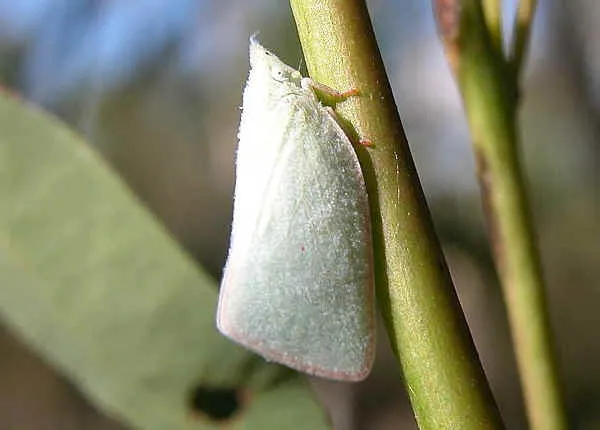
The Mango Hopper (*Idioscopus clypealis* and *Amritodus atkinsoni*), belonging to the leafhopper family *Cicadellidae* under the order *Hemiptera*, is one of the most critical and yield-limiting sucking insect pests of mango trees (*Anacardiaceae* family) across Asia. These small, wedge-shaped insects congregate in massive numbers on flower panicles, young shoots, and tender leaves. They use their piercing-sucking mouthparts to aggressively drain phloem sap, which stunts inflorescence development and directly prevents commercial fruit set.
Identifying a mango hopper infestation involves observing active hopping insects and sticky leaf surfaces. The adults are tiny (4–5 mm), wedge-shaped, and dull brown or greyish-green, with a broad head and tapering body. When disturbed, they fly or hop erratically in clouds around the branches. Foliage symptoms include leaf curling, browning of flower panicles (inflorescence blight), and premature dropping of flowers. The tree canopy becomes coated with sticky, clear 'honeydew' excretion, which turns into a thick layer of black sooty mold.
The mango hopper primarily damages mango orchards during the spring bloom.
| Affected Crops / Plants | Severity Rating | Damage Symptoms |
|---|---|---|
| Mango (Alfonso, Dasheri, Langra) | Extreme (⭐⭐⭐) | Browning of flower panicles, total loss of fruit set, and severe black sooty mold |
| Cashews & Pistachios | High (⭐⭐) | Chewed shoots, minor blossom drop, and weakened vegetative twigs |
| Ornamental Garden Shrubs | Medium (⭐) | Sticky leaves, cosmetic mold accumulations, and minor foliar spotting |
Mango hoppers are active year-round but explode in population during the spring flowering season (February to March). Females insert up to 200 eggs individually into flower buds and leaves. The eggs hatch into wingless nymphs that feed on tender stems, completing their life cycle in just 2 to 3 weeks. Organic management focuses on foliar sprays of neem formulations (NSKE 5%), tilling orchard basins, and releasing predatory lacewings. Chemical control includes spraying imidacloprid, thiamethoxam, or cypermethrin directly onto inflorescences before flower opening. For complete orchard support, check our Plant Disease Identifier Hub, or read related profiles like Mango Mealybug, Scale Insect, and Thrips. For specialized diagnosis of related crop threats, see our guide on Laxman Bhog Mango.
Taxonomy & Features
- Wedge-Shaped Brown Body: Tiny (4-5 mm) brown-grey wedge-shaped planthoppers that hop erratically when branches are shaken.
- Inflorescence Drying: Sap feeding dries out flower panicles, causing them to turn brown and preventing fruit set.
- Honeydew & Sooty Mold: Excretes sticky honeydew that coats leaves and limbs, attracting black sooty mold.
- Egg Slits in Shoots: Females slit shoots and flower buds to insert eggs, causing structural scars.
- Spring Bloom Swarms: Populations peak during spring flowering, swarming in large numbers around new buds.
- Neem Seed Extract Control: Sprays of 5% neem seed kernel extract (NSKE) provide effective organic nymph control.
Seasonal Outbreak Calendar
Outbreak risk and activity timeline for Mango Hopper based on seasonal climate patterns:
Names in Different Languages
Affected Plant Species
Vegetables & Crops
- None
Flowers & Ornamentals
- Hibiscus
- Bougainvillea
Fruits & Berries
- Mango
- Cashew
Prevention & Cure
Natural & Organic Methods
- Neem Spraying: Apply 5% neem seed kernel extract (NSKE) directly onto emerging blossoms.
- Orchard Tilling: Till the tree basins in winter to expose and destroy pupating soil pests.
- Beneficial Lacewings: Release green lacewing larvae to consume hopper nymphs.
Chemical & Professional Control
- Imidacloprid Spray: Apply systemic imidacloprid early at bud swell to protect inflorescences.
- Thiamethoxam Application: Use thiamethoxam before flower opening for rapid knockdown.
- Synthetic Pyrethroids: Spray cypermethrin if hoppers exceed economic thresholds of 5 hoppers/panicle.
Frequently Asked Questions
Do mango leafhoppers bite humans?
No. Mango hoppers have sucking mouthparts adapted exclusively for plant sap. They do not bite or sting humans or pets.
Why do my mango tree leaves turn black during hopper attacks?
The hoppers excrete a sticky, sugar-rich fluid called honeydew. This fluid coats the leaf surfaces and acts as a food source for a black fungus called sooty mold, which blocks sunlight.
When is the best time to treat for mango hoppers?
The most critical treatment window is at early bud swell, before the mango flowers open. Avoid spraying during full bloom to protect pollinating bees.
Recommended diagnostics based on crop family and symptoms:
Remedy Disclaimer & Safety Notice
This disease guide is for educational screening purposes only. Pathogen behavior, severity, and host susceptibility can vary dramatically based on seed variety, weather conditions, and regional microclimates. Chemical pesticides and organic treatments are subject to strict regional environmental regulations and registration mandates. Please verify all chemical registrations and review manufacturer safety labels carefully with local certified agronomists or agricultural extension service offices before applying.