
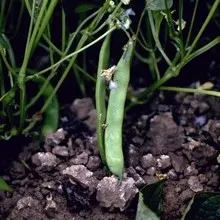
White Mold
Sclerotinia sclerotiorum
About White Mold
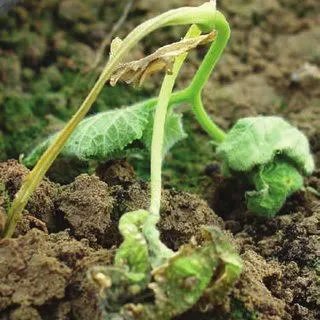
White Mold, caused by the notorious soil-borne Ascomycete fungus *Sclerotinia sclerotiorum*, is a highly destructive, cosmopolitan plant disease affecting over 400 species, mostly broadleaf crops. Known as Sclerotinia rot, watery soft rot, or timber rot, this pathogen infects vegetables, oilseeds, and ornamental flowers. The fungus produces a fluffy, white cotton-like mycelium that invades stems and leaves, cutting off water and nutrient flow, which leads to rapid wilting, collapse, and plant death.
Identifying white mold is simple due to its highly distinct fungal structures. Infected stems develop water-soaked, bleached lesions that turn paper-white or straw-colored. Under humid conditions, a thick, white cottony growth (mycelium) envelops the stem. As the fungus matures, it produces large, irregular black survival structures called sclerotia (resembling mouse droppings) inside the hollowed-out stem pith or on the plant surface.
White mold has an extremely broad host range, attacking key broadleaf crops and ornamentals.
| Crop/Plant Type | Severity Rating | Impact Description |
|---|---|---|
| Soybeans & Canola | Extreme (⭐⭐⭐) | Stem girdling, plant collapse, moldy pods, and severe seed yield loss |
| Dry Beans & Sunflowers | Extreme (⭐⭐⭐) | Head rot in sunflowers, rotting bean pods, and massive storage losses |
| Tomatoes, Cabbages, Zinnias | High (⭐⭐) | Bleached lower stems, rapid wilting, and secondary soft rot decay |
Sclerotia survive in the soil for up to 8 years, remaining dormant until cool, wet conditions (15°C to 20°C) trigger them to germinate and produce cup-like structures called apothecia, which release millions of airborne spores. Organic management includes deep plowing to bury sclerotia, wider plant spacing to reduce humidity, and applying bio-fungicides like *Coniothyrium minitans*. Chemical control relies on foliar sprays of boscalid, iprodione, or thiophanate-methyl during flowering. For advanced guides, check our Plant Disease Identifier Hub, or explore similar profiles like Damping Off, Root Rot, and Bacterial Wilt.
Taxonomy & Features
- Cottony White Mycelium: A dense, fluffy white growth resembling cotton wool develops on infected stems and pods under high humidity.
- Black Sclerotia Bodies: Produces hard, black survival structures resembling mouse droppings inside the stems and seed pods.
- Bleached Stem Lesions: Infected stems turn paper-white, dry out, and become hollow and extremely brittle.
- Long Soil Survival: Sclerotia can remain dormant and survive in agricultural soils for up to 5 to 8 years.
- Airborne Apothecia Spores: Soil-based sclerotia grow cup-like apothecia that shoot spores into the air to infect flowers.
- Bio-Control Fungicide: The mycoparasitic fungus Coniothyrium minitans (Contans) actively attacks and destroys soil sclerotia.
Seasonal Outbreak Calendar
Outbreak risk and activity timeline for White Mold based on seasonal climate patterns:
Names in Different Languages
Affected Plant Species
Vegetables & Crops
- Soybeans
- Dry Beans
- Cabbage
- Tomato
- Pea
Flowers & Ornamentals
- Petunias
- Zinnias
- Sunflowers
Fruits & Berries
- None
Prevention & Cure
Natural & Organic Methods
- Deep Plowing: Plow fields deeply to bury sclerotia at least 10 cm, preventing them from germinating spores.
- Wide Spacing: Space plants wider apart and prune lower branches to encourage airflow and dry the soil.
- Bio-Fungicide Contans: Apply Coniothyrium minitans spores to the soil in autumn to decay overwintering sclerotia.
Chemical & Professional Control
- Boscalid Spray: Spray boscalid (Endura) during early flowering to prevent spore infections.
- Iprodione Spray: Apply iprodione to crop crowns if cool, wet weather persists during flowering.
- Thiophanate-Methyl: Treat highly susceptible ornamentals with thiophanate-methyl to establish a protective barrier.
Frequently Asked Questions
What are sclerotia and how do they look?
Sclerotia are hard, black survival bodies produced by the White Mold fungus. They look exactly like mouse droppings, ranging from 2 to 15 mm, and are typically found inside hollow, bleached plant stems.
Can I plant dry beans after harvesting soybeans in the same field?
It is highly risky. Both dry beans and soybeans are extremely susceptible to Sclerotinia. If White Mold occurred in the soybeans, the soil will be loaded with sclerotia that will destroy the dry beans.
How long does White Mold survive in the soil?
The black sclerotia are highly resistant to decomposition and can survive dormant in the soil for up to 5 to 8 years, waiting for favorable cool, wet conditions to germinate.
Recommended diagnostics based on crop family and symptoms:
Remedy Disclaimer & Safety Notice
This disease guide is for educational screening purposes only. Pathogen behavior, severity, and host susceptibility can vary dramatically based on seed variety, weather conditions, and regional microclimates. Chemical pesticides and organic treatments are subject to strict regional environmental regulations and registration mandates. Please verify all chemical registrations and review manufacturer safety labels carefully with local certified agronomists or agricultural extension service offices before applying.