
Dutch Elm Disease
Ophiostoma ulmi
About Dutch Elm Disease
Dutch Elm Disease (DED), caused by the highly aggressive ascomycete fungi *Ophiostoma ulmi* and the even more virulent *Ophiostoma novo-ulmi*, is a catastrophic, highly lethal vascular wilt disease that has devastated elm (*Ulmus* spp.) tree populations across North America and Europe. Classed under the order *Ophiostomatales* of the phylum *Ascomycota*, this pathogen invades the water-transporting xylem vessels of the tree. The tree responds by producing tyloses and gums to block the fungus, which inadvertently blocks its own water transport, causing rapid dehydration, systemic branch dieback, and tree mortality.
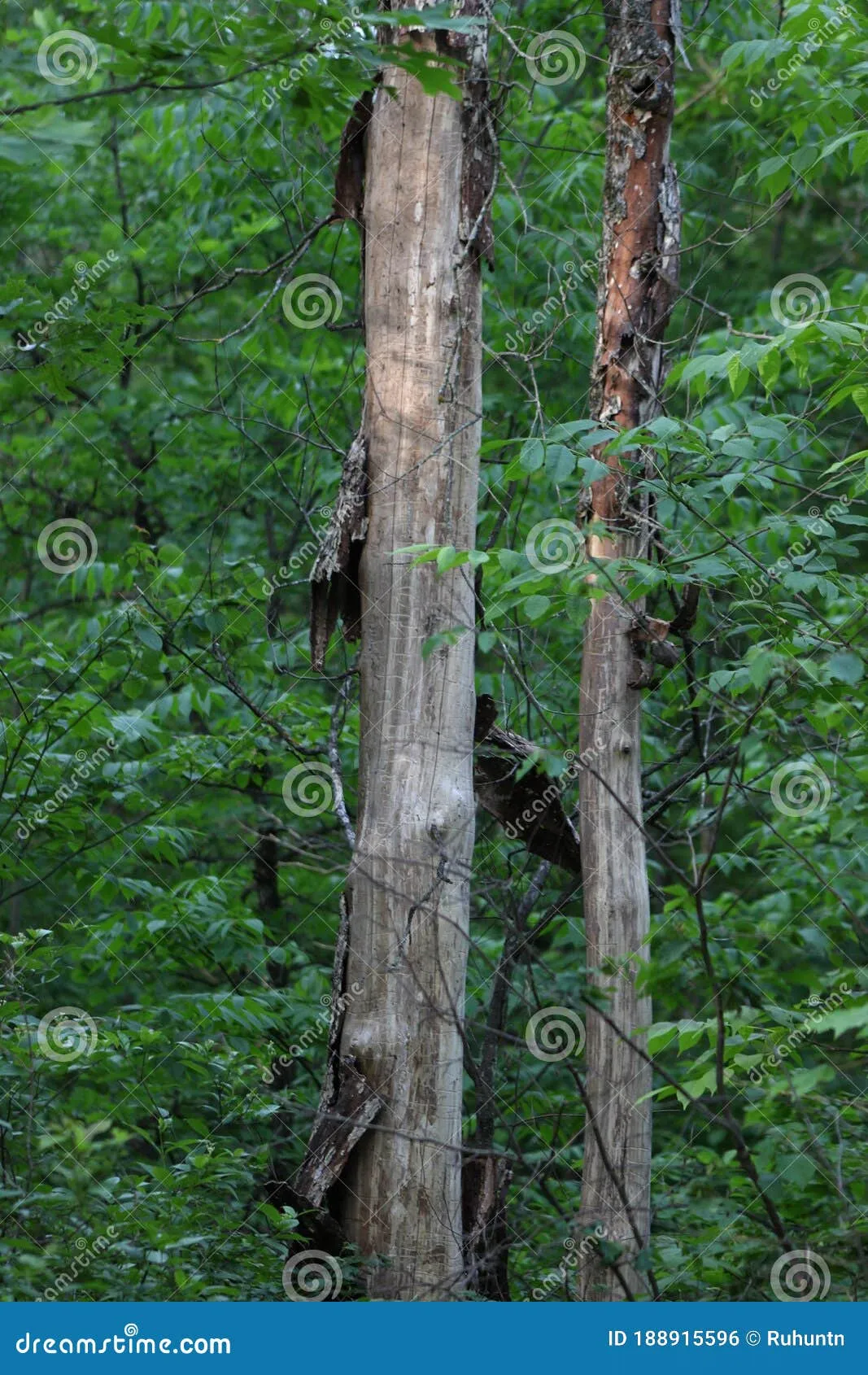
Identifying Dutch Elm Disease begins with observing 'flagging' in the upper canopy. Early summer symptoms manifest as leaves on one or more branches yellowing, wilting, curling, and eventually turning a shriveled brown. These dead leaves often hang on branches for weeks. Stripping back the bark of an actively wilting branch reveals highly diagnostic dark brown, reddish-brown, or blackish longitudinal streaking or mottling in the outer cream sapwood. If the branch is cut in cross-section, this vascular clogging appears as a distinct brown ring in the sapwood.
DED primarily attacks all native species of elm trees, particularly American and European elms, though Asian species show varying degrees of genetic resistance.
| Affected Elm Species | Severity Rating | Damage Symptoms |
|---|---|---|
| American Elm (Ulmus americana) | Extreme (⭐⭐⭐) | Rapid systemic wilting, complete crown flagging, rapid tree death |
| Slippery & Rock Elms | High (⭐⭐) | Branch dieback, vascular discoloration, gradual canopy wilting |
| Siberian & Chinese Elms | Medium (⭐) | Localized branch wilting, high natural tolerance/resistance |
The fungal spores are spread from tree to tree primarily by elm bark beetles (*Hylurgopinus rufipes* and *Scolytus multistriatus*), which carry sticky spores on their bodies and inoculate healthy trees during feeding. The disease also spreads underground between adjacent trees through natural root grafts. Organic and mechanical management relies heavily on prompt sanitation: removing and immediately debarking, burying, or burning infected elm wood to destroy beetle breeding grounds, and trenching to sever root grafts. Chemical prevention is achieved by professional micro-injection of systemic fungicides like propiconazole into the root flares of healthy, high-value elms. For complete agricultural support, visit our Plant Disease Identifier Hub, or explore similar vascular threat profiles like Early Blight, Late Blight, and Root Rot.
Taxonomy & Features
- Lethal Vascular Clogging: The fungus clogs the water-conducting xylem vessels, prompting the tree to form blocks that cause death by dehydration.
- Flagging Branch Indicator: Wilting, yellowing, and drying of leaves on single branches in the upper canopy serve as the primary above-ground warning.
- Sapwood Vascular Streaking: Peeling back active branch bark exposes diagnostic dark brown longitudinal streaks running through the cream sapwood.
- Beetle Vector Transmission: Spores are actively spread by European and native elm bark beetles tunneling under bark for feeding and breeding.
- Root Graft Spread: Pathogen easily migrates underground between closely planted adjacent trees by crossing joined root systems.
- Preventative Flare Injections: Systemic fungicide injections (propiconazole) directly into root flares protect healthy trees for up to 3 years.
Seasonal Outbreak Calendar
Outbreak risk and activity timeline for Dutch Elm Disease based on seasonal climate patterns:
Names in Different Languages
Affected Plant Species
Vegetables & Crops
- None
Flowers & Ornamentals
- None
Fruits & Berries
- None
Prevention & Cure
Natural & Organic Methods
- Immediate Sanitation: Promptly cut down, debark, and burn or bury infected elm trees to prevent beetles from nesting.
- Root Trenching: Dig a 3-foot deep trench midway between healthy and infected trees to physically sever shared root grafts.
- Beetle Trapping: Use pheromone-baited traps to capture and monitor elm bark beetle populations in public parks.
- Resistant Hybrid Sowing: Plant certified resistant elm hybrid varieties like Princeton, Valley Forge, or Liberty.
Chemical & Professional Control
- Root Flare Injection: Inject systemic propiconazole (Alamo) into the root flares of healthy, high-value trees every 2-3 years.
- Methoxychlor Bark Sprays: Spray protective contact insecticides on tree crowns to deter feeding bark beetles (highly restricted).
- Wood Sterilization: Spray debarked logs with borate formulations to prevent beetle emergence and fungal sporulation.
Frequently Asked Questions
Can a tree recover from Dutch Elm Disease?
Rarely. If DED is diagnosed very early (affecting less than 5-10% of the upper canopy), professional arborist pruning (called 'cabbing') to cut back the infected branch at least 5-10 feet below the sapwood streaking, combined with immediate systemic fungicide injections, may save the tree. However, systemic infections are 100% fatal.
How do elm bark beetles spread the Dutch Elm Disease fungus?
The fungus produces sticky spores inside beetle tunnels under the bark of dying trees. As young beetles emerge, the sticky spores adhere to their bodies. When these beetles fly to healthy elms to feed on young twig crotches, they deposit the spores directly into the tree's fresh xylem vessels, initiating a new infection.
How does the disease travel from one yard to another underground?
Elm trees planted close together (within 40-50 feet) often grow their roots together in the soil, forming natural connections called 'root grafts.' The Dutch Elm Disease fungal mycelium and spores can travel directly through the connected xylem tubes from an infected tree straight into the root system of a healthy neighbor.
Recommended diagnostics based on crop family and symptoms:
Remedy Disclaimer & Safety Notice
This disease guide is for educational screening purposes only. Pathogen behavior, severity, and host susceptibility can vary dramatically based on seed variety, weather conditions, and regional microclimates. Chemical pesticides and organic treatments are subject to strict regional environmental regulations and registration mandates. Please verify all chemical registrations and review manufacturer safety labels carefully with local certified agronomists or agricultural extension service offices before applying.