
San Jose Scale
Comstockaspis perniciosa
About San Jose Scale
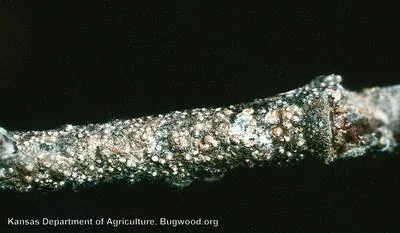
San Jose Scale (*Comstockaspis perniciosa*, historically *Quadraspidiotus perniciosus*), an armored scale insect belonging to the family *Diaspididae* in the order *Hemiptera*, is a severe, highly destructive sap-sucking pest that targets stone and pome fruit orchards globally. First introduced from East Asia, this tiny pest forms massive, dense colonies that physically encrust the bark of twigs, branches, and trunks, looking like grey ash. The insects utilize needle-like sucking stylets to pierce plant tissues, draining vital sap and injecting a highly toxic salivary secretion that kills cambium tissue, leading to shoot dieback and tree decline.
Identifying a San Jose scale infestation involves inspecting bark and developing fruits. On twigs and branches, heavy infestations form a rough, bumpy, greyish-to-black crusty layer that resembles coarse wood ash or soot. Scraping the bark with a thumbnail exposes the bright yellow, soft bodies of the scale insects underneath. On developing green fruits, the most prominent diagnostic visual symptom is 'red-halos'—circular, bright red or purple spots (2–3 mm) surrounding the small, grey, circular scale covers. Affected leaves also display red spotting and turn yellow.
San Jose scale targets a wide variety of woody deciduous hosts, presenting an extreme risk to commercial apple, pear, peach, and plum orchards.
| Affected Fruit & Woody Hosts | Severity Rating | Damage Symptoms |
|---|---|---|
| Apples, Pears, Peaches, Plums | Extreme (⭐⭐⭐) | Bark encrustation, branch dieback, red-halo spots on fruit, cambium death |
| Cherries, Apricots, Nectarines | High (⭐⭐) | Foliar red spots, shoot tip wilting, localized branch dieback, gumming |
| Cotoneaster, Pyracantha shrubs | Medium (⭐) | Bark grayness, cosmetic foliar yellowing, reduced shrub vigor |
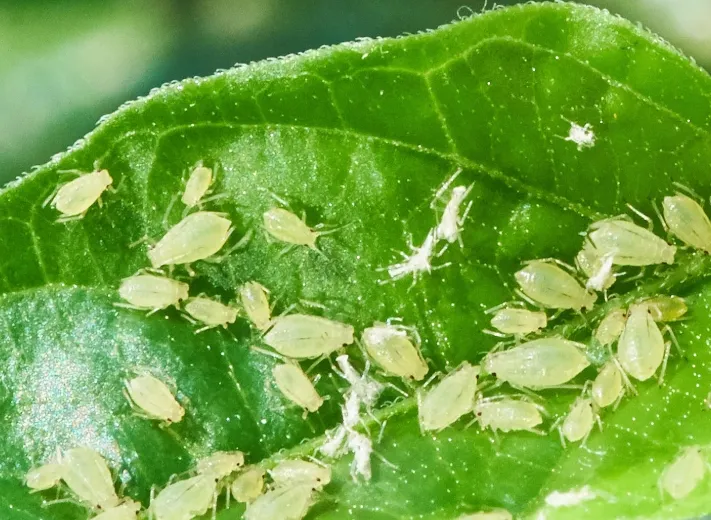
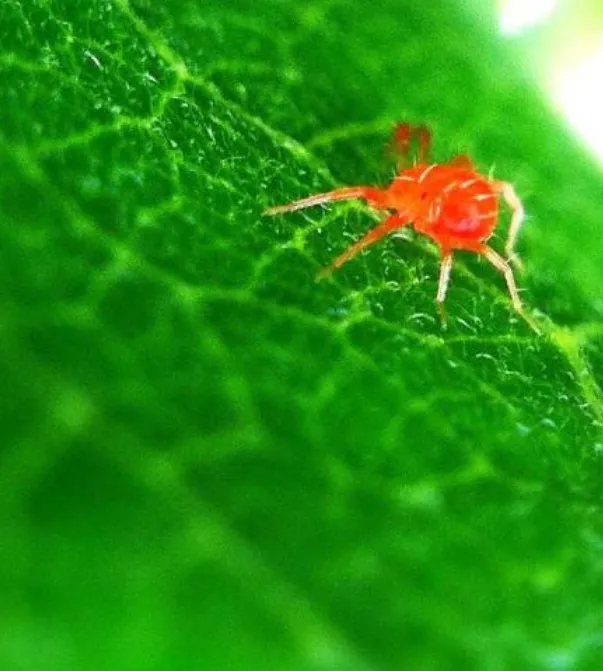
San Jose scale overwinters as immature 'black cap' nymphs on tree bark. In spring, they mature, and females give birth to live, microscopic, yellow crawling nymphs (crawlers) rather than laying eggs. These crawlers migrate to colonize new twigs and fruits. Once they settle, they lose their legs and secrete a hard, waxy, protective grey armor plate, with 2 to 4 generations per year. Organic management relies on applying dormant horticultural oils (2%) in late winter to suffocate overwintering scales, conserving ladybug predators, and using sticky bands. Chemical control uses insect growth regulators like pyriproxyfen or systemic acetamiprid. For complete fruit pest guides, browse our Plant Disease Identifier Hub, or explore similar sucking insect profiles like Scale Insects, Aphids, and Spider Mites.
Taxonomy & Features
- Wood-Ash Encrustation: Forms dense, rough, crusty blackish-grey colonies on branches that physically resemble coarse wood ash or fireplace soot.
- Diagnostic Red Halos: Feeding on ripening green fruit skins creates a highly prominent, circular bright red or purple spot around each grey scale.
- Toxic Salivary Injection: Injects a highly toxic salivary fluid while feeding that systematically kills the tree's inner vascular cambium tissue.
- Live Crawler Births: Unlike most scales, females give birth directly to live, active microscopic yellow crawling nymphs instead of laying eggs.
- Dormant Oil Suffocation: Applying a 2% horticultural mineral oil spray during late winter dormancy effectively suffocates overwintering scales.
- Yellow Body Reveal: Wiping or scraping the grey protective armor cap away exposes the soft, bright lemon-yellow body of the insect underneath.
Seasonal Outbreak Calendar
Outbreak risk and activity timeline for San Jose Scale based on seasonal climate patterns:
Names in Different Languages
Affected Plant Species
Vegetables & Crops
- None
Flowers & Ornamentals
- Pyracantha (Firethorn)
- Cotoneaster
- Roses
- Lilac
Fruits & Berries
- Apple (Highly susceptible)
- Pear
- Peach
- Plum
- Nectarine
- Apricot
- Sweet Cherry
Prevention & Cure
Natural & Organic Methods
- Dormant Oil Application: Spray trees thoroughly with a 2% horticultural mineral oil during late winter dormancy (before bud break) to suffocate the scales.
- Predator Protection: Protect natural predatory beetles like the twice-stabbed ladybug (Chilocorus stigma) which feed heavily on scale insects.
- Crawler Trapping: Wrap double-sided sticky tape around tree branches in June to capture and monitor crawling nymphs.
- Canopy Pruning: Prune out and burn heavily encrusted branches during winter to reduce the local population reservoir.
Chemical & Professional Control
- Insect Growth Regulators: Spray pyriproxyfen (Esteem) or buprofezin during the active spring crawler hatch to disrupt nymph development.
- Foliar Sprays: Apply contact sprays like carbaryl or malathion in June precisely as crawlers are active on the bark surface.
- Systemic Soil Drenches: Apply systemic dinotefuran to non-bearing ornamental trees for long-term sap protection.
Frequently Asked Questions
Can I rub the San Jose scale off my tree branches?
Yes. If the infestation is localized to a few small twigs, you can physically scrape or scrub the grey, crusty scale layers off the bark using a soft wire brush or a coarse scrub pad soaked in soapy water. This physically crushes the soft-bodied insects underneath their grey waxy armor shields.
What are the 'red halos' seen on apple fruit skins?
When the San Jose Scale insect feeds on the skin of developing green apples or pears, it injects a highly toxic saliva into the fruit tissue. The fruit tissue reacts to this toxin by producing red anthocyanin pigments, forming a prominent, circular bright red or purple spot (halo) around the grey circular scale cover.
Why is late winter 'dormant oil' spraying so important for scale control?
Armored scales are highly protected by a hard, waxy, water-repellent grey shield, making foliar chemical contact sprays completely ineffective against adults. Applying a thick, heavy layer of refined horticultural mineral oil during winter dormancy flows under the scale shields, clogging the insects' breathing pores (spiracles) and suffocating them.
Recommended diagnostics based on crop family and symptoms:
Remedy Disclaimer & Safety Notice
This disease guide is for educational screening purposes only. Pathogen behavior, severity, and host susceptibility can vary dramatically based on seed variety, weather conditions, and regional microclimates. Chemical pesticides and organic treatments are subject to strict regional environmental regulations and registration mandates. Please verify all chemical registrations and review manufacturer safety labels carefully with local certified agronomists or agricultural extension service offices before applying.