
Snails and Slugs
Gastropoda
About Snails and Slugs
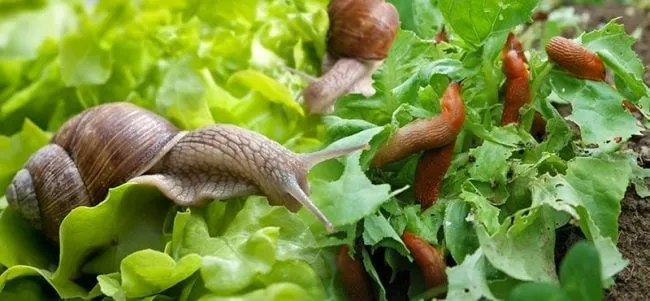
Snails and slugs are soft-bodied terrestrial mollusks belonging to the class *Gastropoda*. Unlike true insects, these pests are closely related to clams and octopuses. Snails are characterized by a coiled external calcium carbonate shell, while slugs lack a visible shell. They thrive in damp, shaded environments, hiding under rocks, mulch, and leaf litter during the day. Under the cover of night or on overcast days, they emerge to feed on a wide variety of tender plant foliage.
Identifying snail and slug damage is easy due to the unique evidence they leave behind. Damage appears as large, smooth-edged, irregular holes chewed through leaf centers and margins, often targeting tender seedlings. Crucially, they leave a diagnostic silvery, iridescent slime trail on leaf surfaces, mulch, and soil. Their scraping mouthparts (radula) can completely skeletonize young seedlings and ruin fruits like strawberries.
Mollusks target low-growing greens, soft berries, and tender ornamentals.
| Crop/Plant Type | Severity Rating | Impact Description |
|---|---|---|
| Leafy Greens (Lettuce, Spinach) | Extreme (⭐⭐⭐) | Large chewed holes in leaves, slime contamination, rendering salad crops unmarketable |
| Hostas & Marigolds | High (⭐⭐) | Severe defoliation of ornamental leaves, complete destruction of young flower shoots |
| Strawberries & Ripe Tomatoes | High (⭐⭐) | Deep hollow cavities scraped into fruits near the ground, promoting fungal rot |
Management focuses on removing moisture and creating barriers. Drip irrigation and clearing heavy mulch can reduce damp habitats. Physical barriers like copper tape or copper wire create an electrical reaction with mollusk slime, deterring them. Organic baits containing iron phosphate are safe for pets and wildlife but lethal to snails. For comprehensive garden health guides, refer to our Plant Disease Identifier Hub, or explore related nocturnal chewing pest profiles like Cutworms, Armyworms, Cabbage Maggot, and Japanese Beetle.
Taxonomy & Features
- Coiled Shell vs. Naked Body: Snails carry a hard, spiral protective shell, whereas slugs have a soft, shell-less muscular body.
- Silvery Slime Trails: Leaves behind a shiny, iridescent trail of dried mucus on foliage and soil.
- Irregular Smooth Holes: Chews large, smooth-edged holes through leaves, avoiding tough stem veins.
- Rasping Radula Feeding: Uses a specialized tongue-like organ with rows of chitinous teeth (radula) to scrape plant tissues.
- Nocturnal and Damp Loving: Restricts activity to humid nights, rainy days, or heavily watered garden beds.
- Hermaphroditic Reproduction: Each individual possesses both male and female organs, allowing rapid population growth.
Seasonal Outbreak Calendar
Outbreak risk and activity timeline for Snails and Slugs based on seasonal climate patterns:
Names in Different Languages
Affected Plant Species
Vegetables & Crops
- Lettuce
- Cabbage
- Spinach
- Celery
- Cucumber
- Bean
Flowers & Ornamentals
- Hosta
- Marigold
- Dahlia
- Delphinium
- Zinnia
Fruits & Berries
- Strawberry
- Tomato
- Citrus (low branches)
Prevention & Cure
Natural & Organic Methods
- Copper Tape Barriers: Wrap copper tape around raised beds or pots; the metal reacts with slug slime to deliver a mild shock.
- Beer Traps: Bury shallow containers of beer at soil level; the yeast attracts mollusks, which fall in and drown.
- Diatomaceous Earth: Sprinkle abrasive diatomaceous earth around plant bases to scratch and dry out mollusk bodies.
Chemical & Professional Control
- Iron Phosphate Baits: Scatter iron phosphate pellets (Sluggo); once eaten, it stops feeding and kills them safely.
- Metaldehyde Pellets: Apply metaldehyde baits for rapid knockdown, though highly toxic to dogs and wildlife.
- Drenching Soil: Apply dilute solutions of caffeine or copper sulfate to control eggs and larvae in soil.
Frequently Asked Questions
Is iron phosphate bait safe around pets and children?
Yes. Unlike older metaldehyde baits, iron phosphate is highly target-specific to snails and slugs. It degrades naturally into iron and phosphate plant nutrients.
Why do slugs thrive in mulched gardens?
Organic wood mulch retains soil moisture and provides cool, shaded crevices where slugs can shelter from the hot sun during daylight hours.
How do I stop snails from climbing citrus trees?
Apply a copper foil band around the tree trunk about 1 to 2 feet above the ground, and ensure lower branches are pruned so they do not touch the soil.
Recommended diagnostics based on crop family and symptoms:
Remedy Disclaimer & Safety Notice
This disease guide is for educational screening purposes only. Pathogen behavior, severity, and host susceptibility can vary dramatically based on seed variety, weather conditions, and regional microclimates. Chemical pesticides and organic treatments are subject to strict regional environmental regulations and registration mandates. Please verify all chemical registrations and review manufacturer safety labels carefully with local certified agronomists or agricultural extension service offices before applying.