
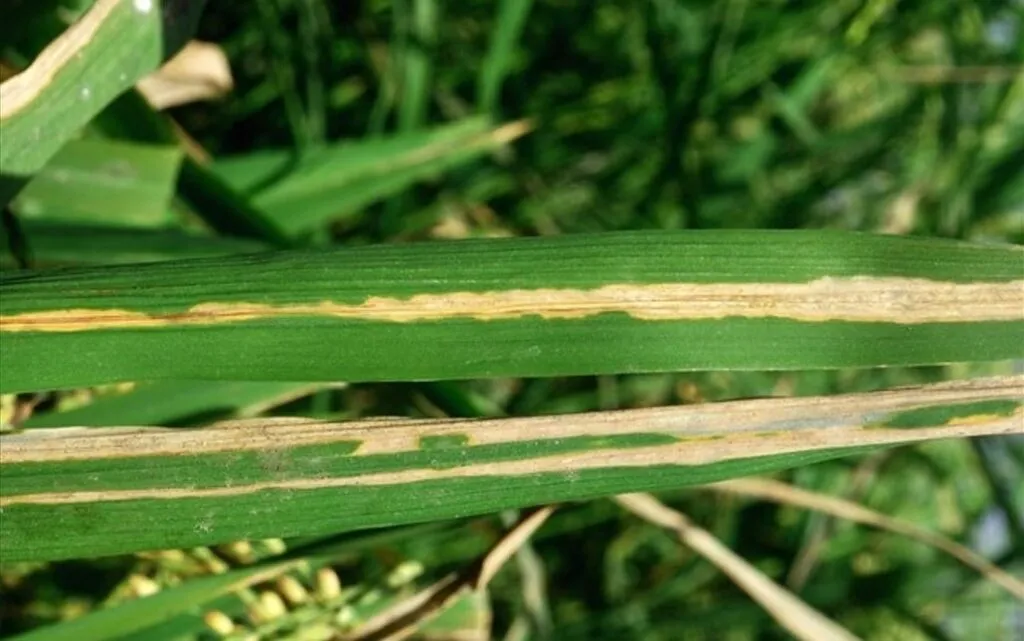
Bacterial Leaf Blight (Rice)
Xanthomonas oryzae pv. oryzae
About Bacterial Leaf Blight (Rice)
Bacterial Leaf Blight (BLB) of Rice, caused by the rod-shaped Gram-negative bacterial pathogen *Xanthomonas oryzae pv. oryzae*, is one of the most widespread and highly devastating systemic vascular diseases affecting rice (*Oryza sativa*) crops, particularly in irrigated lowland environments. Classed under the family *Xanthomonadaceae*, this bacterium blocks the water-transporting xylem vessels of the plant. During the early seedling stage, it causes a highly lethal systemic wilt known as 'Kresek,' while in older plants, it causes severe foliar blighting. In high-yielding varieties, BLB can lead to severe crop failure, dropping grain yields by up to 50%.
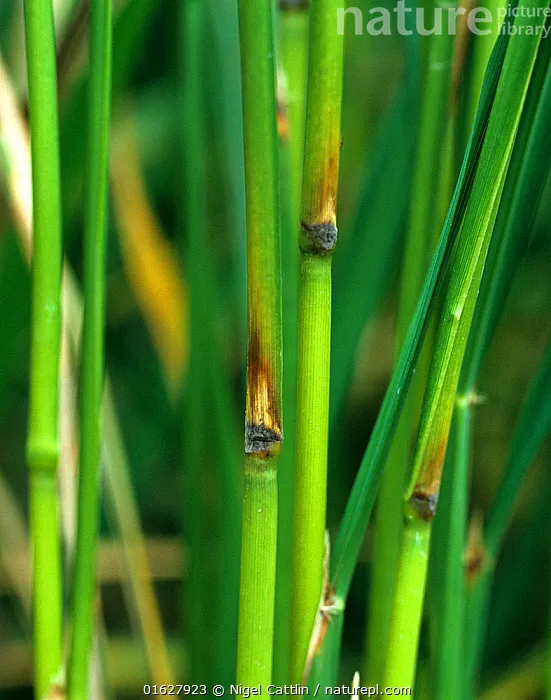
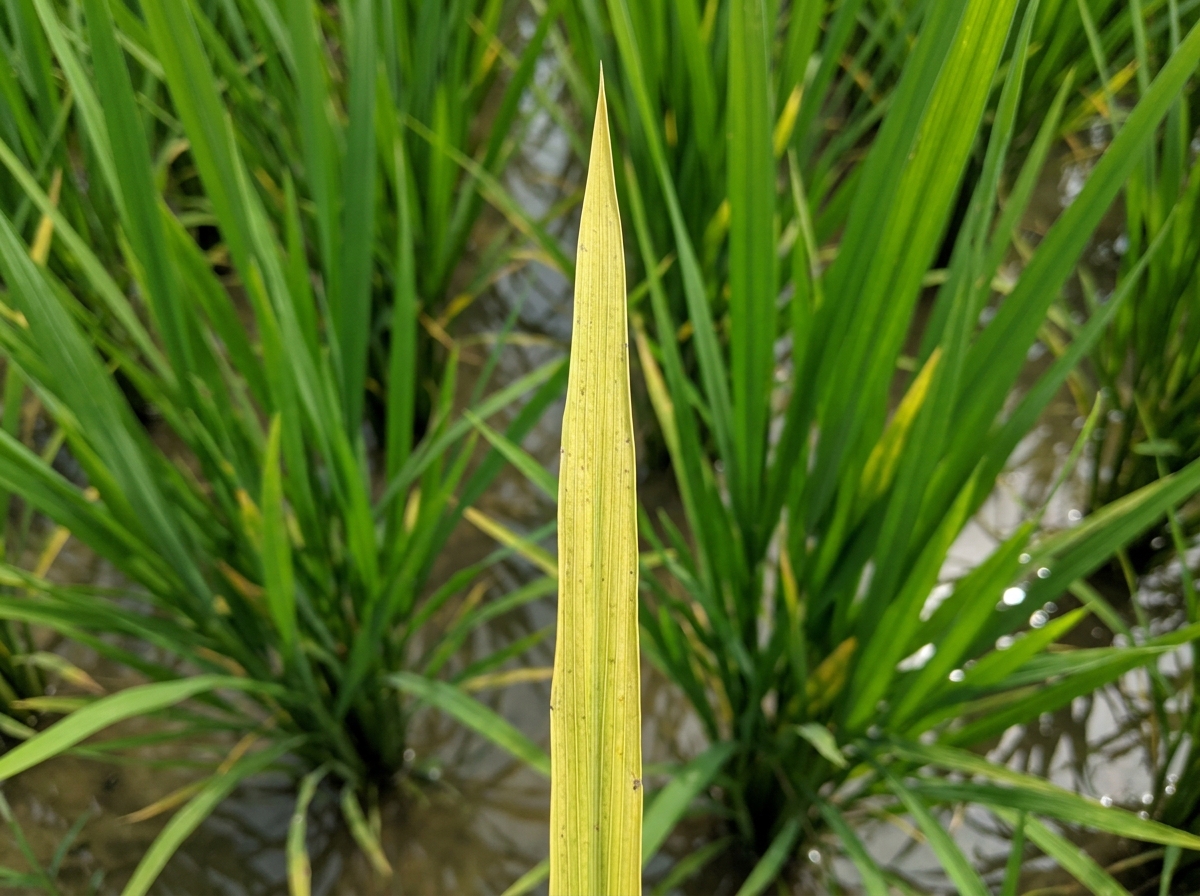
Identifying bacterial leaf blight involves looking for distinct foliar streaks and systemic wilting. Symptoms typically begin as small, water-soaked streaks near the leaf tips or margins, which enlarge into long, wavy-margined yellow-to-straw-colored lesions that run down the leaf blades. In the humid early mornings, tiny, milky-white or amber-colored droplets of bacterial ooze can be observed on young lesions, drying into crusty yellow beads. The 'Kresek' seedling phase manifests as sudden leaf rolling, wilting, and complete seedling collapse, mimicking stem borer damage, but distinguishable by a slimy bacterial cut stem test.
While primarily a severe pathogen of cultivated rice, *Xanthomonas oryzae* also survives on various wild grasses and weeds commonly found around paddy fields.
| Affected Crops / Plants | Severity Rating | Damage Symptoms |
|---|---|---|
| Oryza sativa (Cultivated Rice) | Extreme (⭐⭐⭐) | Systemic Kresek wilt, wavy yellow margins, grain unfilled and brittle |
| Wild Rice (Oryza rufipogon) | High (⭐⭐) | Foliar leaf blighting, minor drying, acting as pathogen reservoir |
| Leersia hexandra (Cutgrass) | Medium (⭐) | Asymptomatic foliar streaking, weed host survival |
The bacteria overwinter in infected straw, stubble, wild weed hosts, and occasionally seed coats. The pathogen enters the host xylem through natural water pores (hydathodes) along leaf margins or through structural wounds. Warm temperatures (25°C to 34°C), heavy rainfall, and gale-force winds associated with monsoons promote rapid systemic spread and colonization. Organic control starts with balanced nitrogen fertilization (as excess nitrogen causes lush, susceptible growth), improving field drainage, and seed treatments with warm water drench. Chemical and biological treatments rely on foliar sprays of copper hydroxide combined with streptomycin-tetracycline antibiotics (agrimycin) during early outbreaks. For complete disease guides, visit our Plant Disease Identifier Hub, or explore similar threat profiles like Rice Blast, Brown Planthopper (Rice), and Brown Spot (Rice).
Taxonomy & Features
- Double Damage Stages: Causes two distinct symptoms: 'Kresek' (highly lethal systemic wilting of young seedlings) and 'Leaf Blight' (progressive margin drying in mature crops).
- Milky Bacterial Ooze: Young infected leaf margins produce tiny droplets of milky bacterial slime under warm, humid conditions, drying into yellow beads.
- Hydathodal Leaf Entry: Pathogen selectively targets hydathodes (natural water pores) at leaf margins, causing the highly diagnostic wavy, yellow blighted margins.
- Nitrogen-Triggered Outbreaks: Excess chemical nitrogen fertilizer triggers succulent vegetative tissues, dramatically accelerating bacterial multiplication.
- Stem-Ooze Diagnostic Test: Systemic infections can be instantly verified by cutting an infected stem and immersing it in clear water to observe cloudy bacterial ooze.
- Monsoon Dispersion: Strong cyclonic winds and heavy rainstorm droplets rapidly disperse the bacteria from plant to plant, triggering field-wide epidemics.
Seasonal Outbreak Calendar
Outbreak risk and activity timeline for Bacterial Leaf Blight (Rice) based on seasonal climate patterns:
Names in Different Languages
Affected Plant Species
Vegetables & Crops
- None
Flowers & Ornamentals
- None
Fruits & Berries
- None
Prevention & Cure
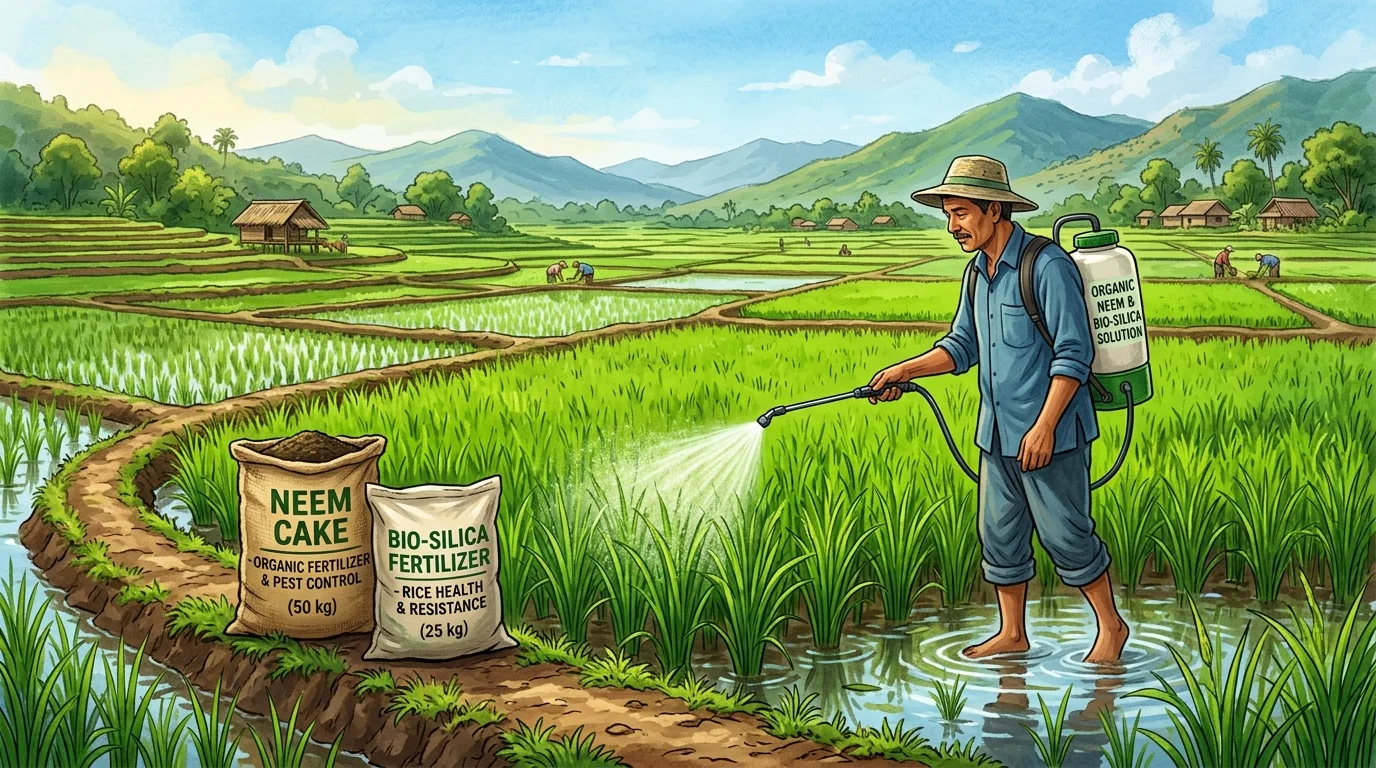
Natural & Organic Methods
- Resistant Varieties: Sowing certified resistant seed varieties (such as IR64, Swarna Sub1, or Ajaya) represents the best primary defense.
- Balanced Fertilization: Apply nitrogen in split doses and balance it with potash (potassium) fertilizers to harden plant cell walls.
- Field Drainage: Maintain proper drainage in paddy fields; avoid deep flooding, especially during nursery and transplanting phases.
- Seed Heat Treatment: Soak dry seeds in warm water (52-54°C) for 10-15 minutes before sowing to eradicate seed-borne bacteria.
Chemical & Professional Control
- Seed Drenching: Soak seeds in an active bactericide solution containing streptocycline (0.01%) combined with captafol before nursery sowing.
- Antibiotic Sprays: Spray Agrimycin-100 or Streptocycline (100-150 ppm) combined with Copper Oxychloride (0.25%) during early field outbreaks.
- Field Sanitation: Spray bleaching powder at 15 kg/ha directly into standing field water during severe systemic Kresek outbreaks.
Frequently Asked Questions
What is the 'Kresek' stage of Bacterial Leaf Blight in rice?
Kresek is the systemic wilting phase of the disease, occurring in young rice seedlings within 2 to 3 weeks after transplanting. The bacteria completely block the xylem vessels, causing the leaves to roll up, turn pale green, shrivel, and the entire seedling to wilt and die rapidly, resembling dry-out or insect stem borer damage.
How does weather affect the spread of Rice Bacterial Leaf Blight?
The pathogen thrives in warm, highly humid climates with temperatures between 25°C and 34°C. Severe rainstorms, monsoons, and high winds are major vectors because they create micro-wounds on rice leaves and splash bacterial ooze droplets across fields, spreading the infection exponentially.
How can I distinguish Bacterial Leaf Blight from physiological leaf drying?
Physiological drying affects leaves uniformly without distinct boundaries. Bacterial Leaf Blight lesions begin specifically at leaf tips or margins as water-soaked streaks, developing wavy, yellow-to-whitish margins, and producing sticky bacterial ooze droplets on leaf surfaces under humid mornings.
Recommended diagnostics based on crop family and symptoms:
Remedy Disclaimer & Safety Notice
This disease guide is for educational screening purposes only. Pathogen behavior, severity, and host susceptibility can vary dramatically based on seed variety, weather conditions, and regional microclimates. Chemical pesticides and organic treatments are subject to strict regional environmental regulations and registration mandates. Please verify all chemical registrations and review manufacturer safety labels carefully with local certified agronomists or agricultural extension service offices before applying.