
Cedar-Apple Rust
Gymnosporangium juniperi-virginianae
About Cedar-Apple Rust
Cedar-Apple Rust is a highly specialized and economically damaging heteroecious fungal disease caused by the Basidiomycete pathogen *Gymnosporangium juniperi-virginianae*. This obligate parasite requires two distinct host species in close proximity to complete its complex sexual life cycle: a juniper or red cedar (*Juniperus* genus) and a rosaceous host, primarily commercial apples (*Malus domestica*) or crabapples. The fungus causes significant leaf defoliation, twig dwarfing, and fruit scarring, disrupting photosynthesis and crop vigor.
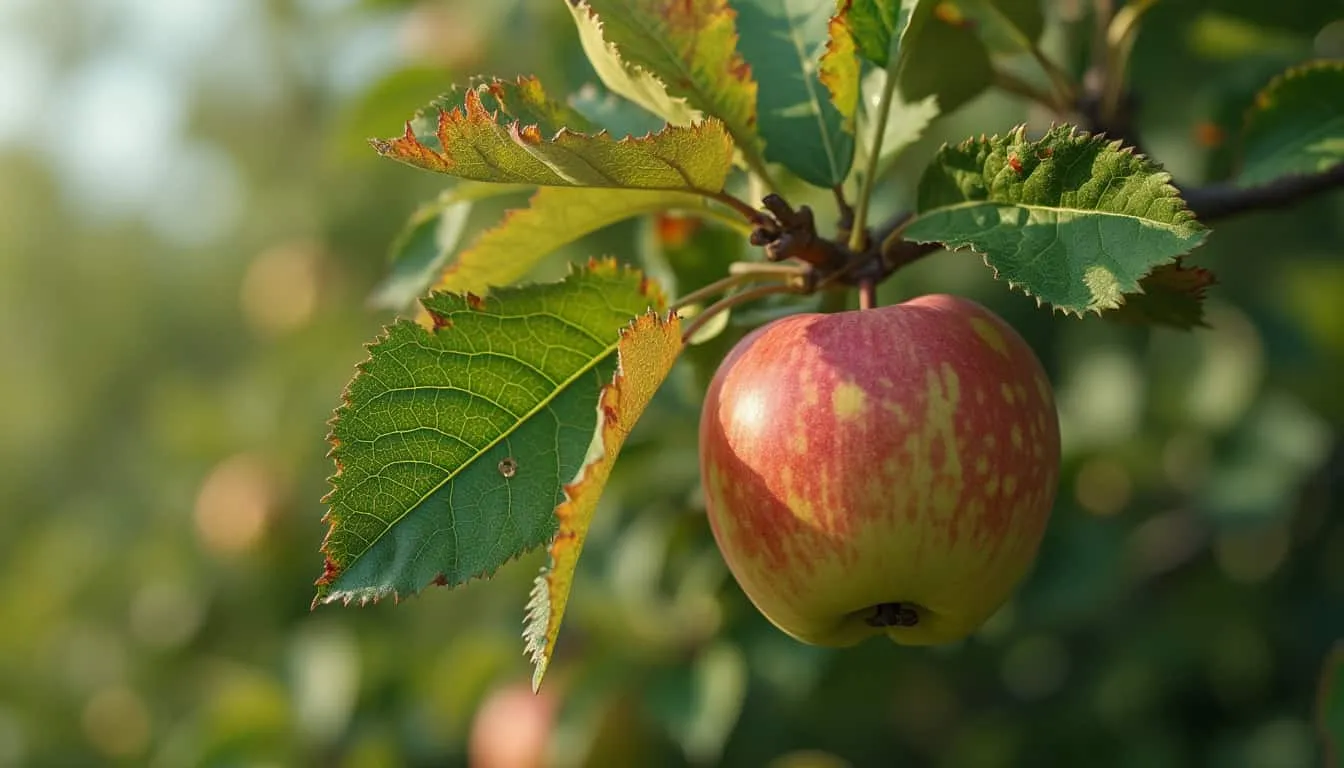
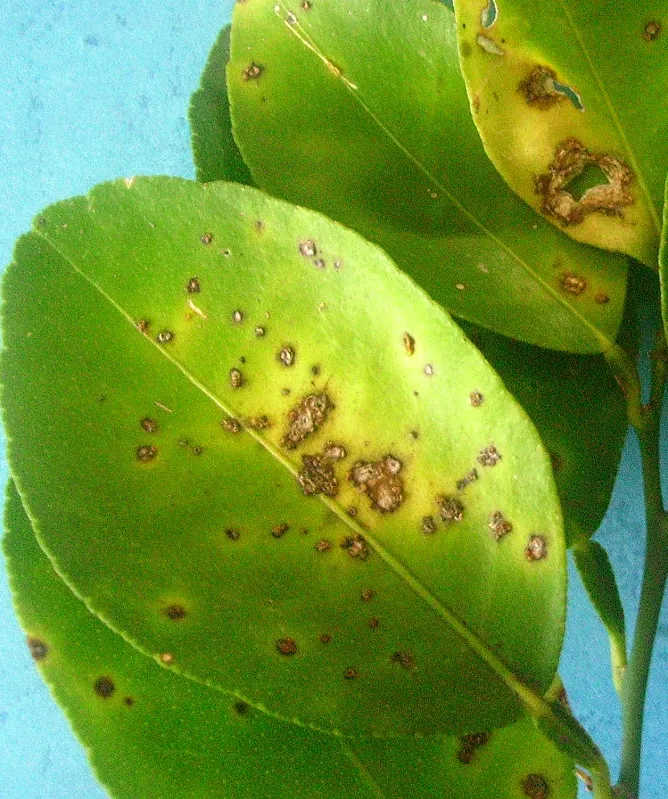
Identifying cedar-apple rust is straightforward due to its dramatic, bright orange-yellow symptoms. On apple foliage, infections appear in late spring as tiny yellow-green spots that expand into bright orange-red lesions with distinct yellow halos and raised black dots (pycnia) on the upper surface. On the leaf undersides, raised cup-like structures (aecia) develop, protruding like small threads. On juniper hosts, the fungus manifests as hard, brown, golf-ball-sized galls that swell and sprout bright orange, jelly-like telial horns during warm, wet spring rains.
The rust fungus infects rosaceous fruit trees and wild alternate hosts.
| Crop/Plant Type | Severity Rating | Impact Description |
|---|---|---|
| Commercial Apples & Crabapples | Extreme (⭐⭐⭐) | Severe foliar yellowing, premature defoliation, cracked fruit lesions, and total loss of crop marketability |
| Junipers & Red Cedars | High (⭐⭐) | Gall formation on twigs, sticky orange spore horns, and minor twig dieback |
| Hawthorns & Pears | Medium (⭐) | Foliar spot lesions, rust spots on fruit skin, and cosmetic leaf damage |
Managing cedar-apple rust focuses on breaking the two-host cycle and applying protective barriers. The most effective strategy is avoiding planting apples near junipers (minimum 1 km separation) and selecting resistant cultivars like Liberty or Red Free. Pruning and destroying juniper galls in winter prevents spore release. Organic growers use copper-based or sulfur sprays in early spring. Chemical control relies on protective fungicides applied from green tip through petal fall. For full disease guides, consult our Plant Disease Identifier Hub, or explore similar fungal profiles like Yellow Rust, Stem Rust, and Apple Scab.
Taxonomy & Features
- Two-Host Life Cycle: Requires junipers (cedars) and rosaceous plants (apples, hawthorns) within 1 km to complete its reproductive cycle.
- Gelatinous Telial Horns: Hard juniper galls swell in spring wetness, sprouting gelatinous, bright orange telial spore horns.
- Orange Foliar Lesions: Bright orange-red spots with raised black pycnia appear on the upper surfaces of apple leaves.
- Underside Aecia Tubes: Thread-like, cup-shaped structures grow on the undersides of apple leaves to release summer spores.
- Fruit Cracking & Spotting: Rind lesions on developing apples turn brown, corky, and crack, making fruit unmarketable.
- Premature Defoliation: Severe leaf spot leads to early leaf drop in summer, reducing crop yield and weakening trees.
Seasonal Outbreak Calendar
Outbreak risk and activity timeline for Cedar-Apple Rust based on seasonal climate patterns:
Names in Different Languages
Affected Plant Species
Vegetables & Crops
- None
Flowers & Ornamentals
- Crabapple
- Hawthorn
- Serviceberry
Fruits & Berries
- Apple
- Juniper
- Pear
- Quince
Prevention & Cure
Natural & Organic Methods
- Host Separation: Do not plant apple trees within 1 to 2 miles of juniper bushes.
- Gall Pruning: Cut out and destroy brown dimpled galls from juniper trees during winter dormancy.
- Resistant Varieties: Select rust-tolerant apple cultivars like Liberty, Freedom, or Enterprise.
Chemical & Professional Control
- Myclobutanil Sprays: Apply systemic myclobutanil (Immunox) to apple foliage during the spring spore release.
- Copper Fungicides: Apply copper-based protectants before bud break and during the bloom stage.
- Fungicide Cover: Keep apple leaves covered with protective fungicides from green tip through petal fall.
Frequently Asked Questions
Do the orange galls on cedar trees kill the tree?
No. The galls may cause minor twig dieback, but they rarely threaten the overall survival of red cedars or junipers.
Can cedar-apple rust spread from apple tree to apple tree?
No. The spores produced on apple leaves (aeciospores) can only infect junipers. The disease must alternate hosts each year to survive.
When do juniper galls release their spores?
Galls sprout their orange jelly-like horns and release wind-borne teliospores during wet, rainy periods in early to mid-spring, coinciding with apple bloom.
Recommended diagnostics based on crop family and symptoms:
Remedy Disclaimer & Safety Notice
This disease guide is for educational screening purposes only. Pathogen behavior, severity, and host susceptibility can vary dramatically based on seed variety, weather conditions, and regional microclimates. Chemical pesticides and organic treatments are subject to strict regional environmental regulations and registration mandates. Please verify all chemical registrations and review manufacturer safety labels carefully with local certified agronomists or agricultural extension service offices before applying.