
Mosaic Virus
Tobamovirus (TMV), Cucumovirus (CMV)
About Mosaic Virus
Mosaic virus refers to a group of highly contagious, non-enveloped plant viruses (most notably Tobacco Mosaic Virus, TMV, and Cucumber Mosaic Virus, CMV) that cause severe systemic infections across hundreds of plant species. Belonging to families like Virgaviridae, these rod-shaped viral pathogens hijack host plant cells to replicate their viral RNA and proteins, disrupting normal cellular functions without instantly killing the host tissue. Mosaic viruses are notorious for their extreme stability, able to survive in dried plant material, soil, and on gardening tools for years, making them highly destructive to agricultural and greenhouse productivity worldwide.
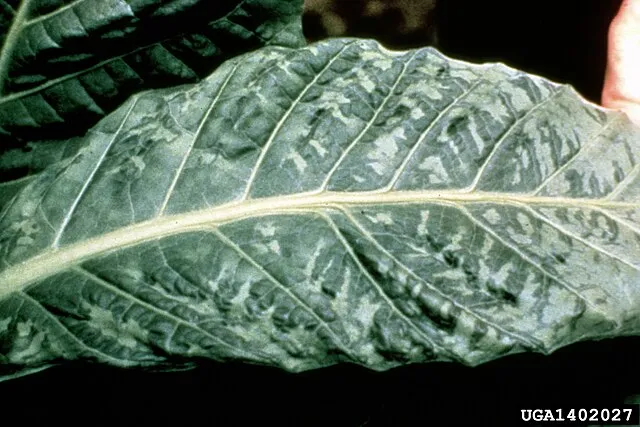
Identifying a Mosaic Virus infection is direct due to the striking patchwork patterns and physical leaf distortions it creates. The primary symptom is a distinctive mosaic or mottled pattern of light green, dark green, yellow, and white patches on infected leaves. Foliage often appears severely crinkled, puckered, curled, or narrowed into a 'fern-leaf' or shoestring appearance. Infected plants exhibit stunted, dwarf growth with reduced flower and fruit production. Fruits turn misshapen, bumpy, and display yellow-ringed viral spots. The diagnostic identification image reveals a cucumber leaf showing patchwork chlorosis, illustrating the mosaic-like cellular disruption.
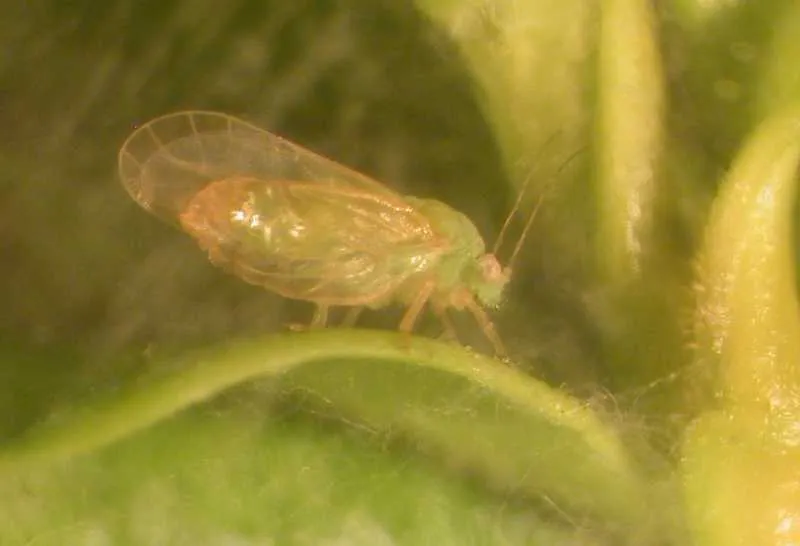
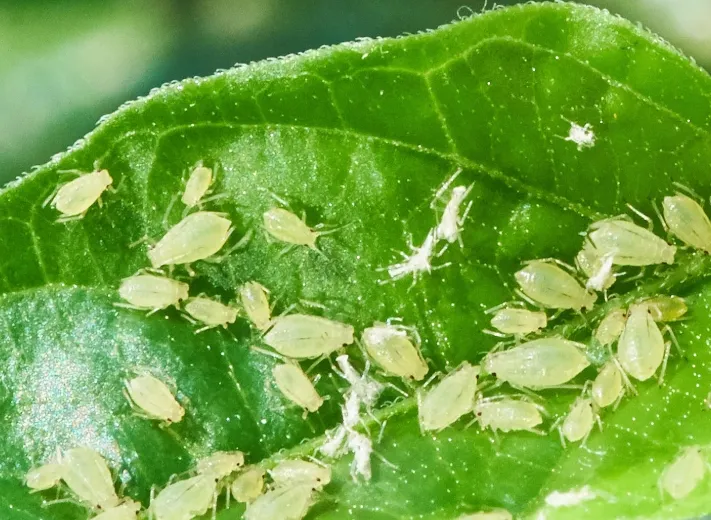
The transmission of mosaic viruses is highly efficient. The virus enters plants through microscopic wounds or mechanical damage. It then spreads from cell to cell through plasmodesmata, eventually entering the phloem for systemic transport. It is spread mechanically through contact with infected sap on tools, hands, clothing, or tobacco products, and biologically by sap-sucking insect vectors like aphids, whiteflies, and thrips.
| Crop / Plant Type | Severity Rating | Damage Symptoms |
|---|---|---|
| Tomatoes, Peppers & Tobacco | Extreme (⭐⭐⭐) | Fern-leaf deformation, misshapen bumpy fruit, extreme stunting |
| Cucumbers, Squash & Melons | High (⭐⭐) | Mottled green-yellow leaf patterns, reduced yield, yellow fruit ring-spots |
| Legumes (Beans, Cowpeas, Peas) | Medium (⭐) | Mild mosaic mottling, distorted pods, slowed early growth |
Managing Mosaic Virus is unique because no chemical or biological cure exists once a plant is infected. Treatment is entirely preventative. Organic prevention includes immediately pulling and destroying infected plants—never composting them. Spraying a 20% milk solution onto high-risk foliage acts as a natural preventative by deactivating viral proteins. Controlling sap-sucking insect vectors using organic neem oil, insecticidal soaps, or physical row covers is critical. Thoroughly sterilize gardening tools in a 10% bleach solution or 70% isopropyl alcohol. For further advice, consult our Plant Disease Identifier Hub, or view profiles on Bacterial Spot, Bacterial Speck, and Fusarium Wilt.
Because yellowing foliage and distorted leaf growth can stem from multiple garden issues, it is essential to distinguish systemic Mosaic Virus (TMV/CMV) from Interveinal Nutrient Deficiencies (such as Magnesium or Iron deficiency) and Chemical Herbicide Drift. Mosaic Virus causes an asymmetric, random patchwork of light and dark green mosaic spots accompanied by severe leaf puckering, curling, and fern-leaf narrowing. In contrast, nutrient deficiencies produce uniform, symmetrical yellowing between leaf veins while the veins remain green and flat. Herbicide drift causes extreme downward spiraling and stem twisting without the mosaic color mottling. Review the diagnostic key below to confirm viral infection:
| Diagnostic Trait | Mosaic Virus (TMV / CMV) | Nutrient Deficiency (Mg / Fe) | Herbicide Drift (2,4-D / Glyphosate) |
|---|---|---|---|
| Color Pattern on Leaf | Asymmetric, random mosaic patchwork of light/dark green & yellow blotches | Symmetrical interveinal chlorosis (yellowing between green veins) | Uniform yellowing or bleaching across entire leaf blade |
| Foliar Structure & Texture | Severely puckered, crinkled, and narrowed into 'fern-leaf' or shoestrings | Flat, smooth leaf blade texture without curling or blistering | Severe downward leaf cupping, petiole twisting, and stem spiraling |
| Fruit Symptoms | Misshapen, bumpy fruit displaying concentric yellow rings and viral spots | Normal fruit shape, though overall yield and fruit size may be reduced | Stunted, seedless, or aborted fruit blossoms |
| Reversibility & Treatment | Irreversible (no cure; infected plants must be culled immediately) | Fully reversible (responds rapidly to Epsom salt or chelated iron drench) | Partially reversible (new growth may recover if drift exposure was mild) |
Taxonomy & Features
- Mosaic Patchwork: Produces a distinctive, striking mottled pattern of light/dark green and yellow chlorosis on foliage.
- Fern-Leaf Distortion: Causes extreme leaf narrowing, puckering, and curling, transforming leaves into shoestrings.
- Systemic Stunting: Hijacks host cells, slowing down overall plant development and resulting in dwarfed, unproductive crops.
- Incurable Pathogen: No chemical or biological cures exist; infected plants must be removed and incinerated immediately.
- Mechanical Transmission: Easily spreads through contaminated tools, pruning shears, hands, and contact with tobacco.
- Vector Spread: Actively transmitted from plant to plant by sap-sucking insect pests like aphids and whiteflies.
Seasonal Outbreak Calendar
Outbreak risk and activity timeline for Mosaic Virus based on seasonal climate patterns:
Names in Different Languages
Affected Plant Species
Vegetables & Crops
- Tomato
- Pepper
- Cucumber
- Squash
- Eggplant
- Spinach
Flowers & Ornamentals
- Petunias
- Marigolds
- Orchids
- Lilies
- Gladiolus
- Zinnias
Fruits & Berries
- Melon
- Watermelon
- Papaya
- Fig
Prevention & Cure
Natural & Organic Methods
- Milk Sprays: Spray a 20% dry milk powder or fresh milk solution to deactivate viral proteins on plant surfaces and prevent spread.
- Vector Control: Apply organic cold-pressed neem oil or insecticidal soap to control sap-sucking vectors like aphids and whiteflies.
- Strict Sanitation: Wash hands with soap and hot water (especially smokers) and clean tools thoroughly in a 10% bleach solution.
- Removal and Destruction: Instantly pull and burn or bury infected plants to prevent physical contact transmission to healthy neighbors.
Chemical & Professional Control
- No Chemical Cure: There are no chemical active ingredients that can eliminate viruses from plant tissue once infected.
- Systemic Insecticides: Apply systemic imidacloprid to non-edible crops to suppress insect vectors and slow down disease transmission.
- Trisodium Phosphate: Dip tools and trays in trisodium phosphate solutions to chemically deactivate viral particles on surfaces.
Frequently Asked Questions
Can tobacco users transmit Mosaic Virus to garden plants?
Yes, Tobacco Mosaic Virus (TMV) is highly stable and can survive in cigarettes, cigars, and chewing tobacco for decades. Gardeners who use tobacco products can easily transfer active virus particles to tomatoes, peppers, and eggplants on their fingers unless they wash their hands thoroughly with soap first.
What is 'color breaking' in flowers, and is it caused by Mosaic Virus?
Yes, color breaking is a common symptom of viral infection in ornamental flowers. It causes petals to develop beautiful, streaked, or variegated color patterns (like striped tulips) instead of a solid color. While historically prized, it is a sign of infection that eventually stunts and weakens the plant.
Does Mosaic Virus survive in the soil over winter?
Yes, mosaic viruses are highly stable and can easily survive in dry plant debris, roots, and on contaminated weed hosts in the soil over winter. It is crucial to practice strict crop rotation and remove all nightshade weeds to prevent early spring reinfection.
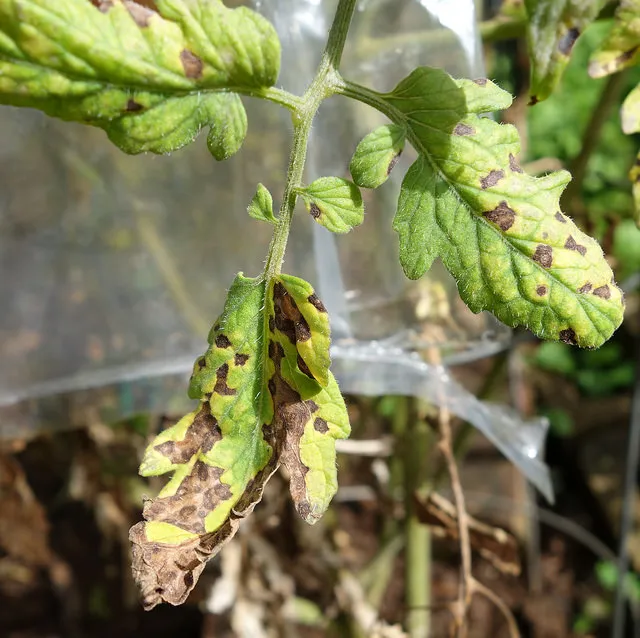
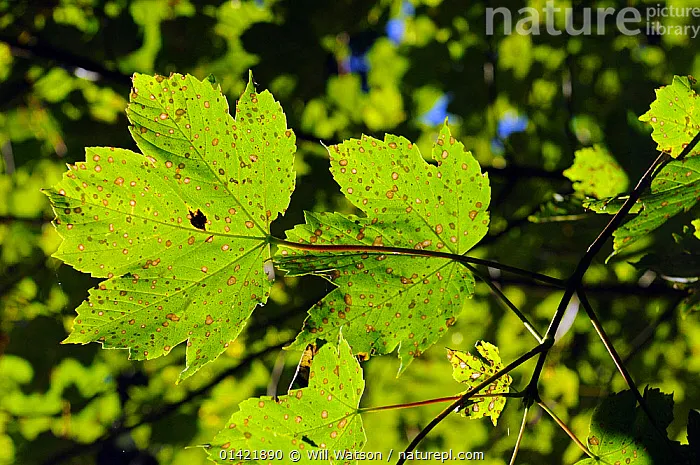
Recommended diagnostics based on crop family and symptoms:
Remedy Disclaimer & Safety Notice
This disease guide is for educational screening purposes only. Pathogen behavior, severity, and host susceptibility can vary dramatically based on seed variety, weather conditions, and regional microclimates. Chemical pesticides and organic treatments are subject to strict regional environmental regulations and registration mandates. Please verify all chemical registrations and review manufacturer safety labels carefully with local certified agronomists or agricultural extension service offices before applying.