
Mealybug
Pseudococcus spp. (Pseudococcidae)
About Mealybug
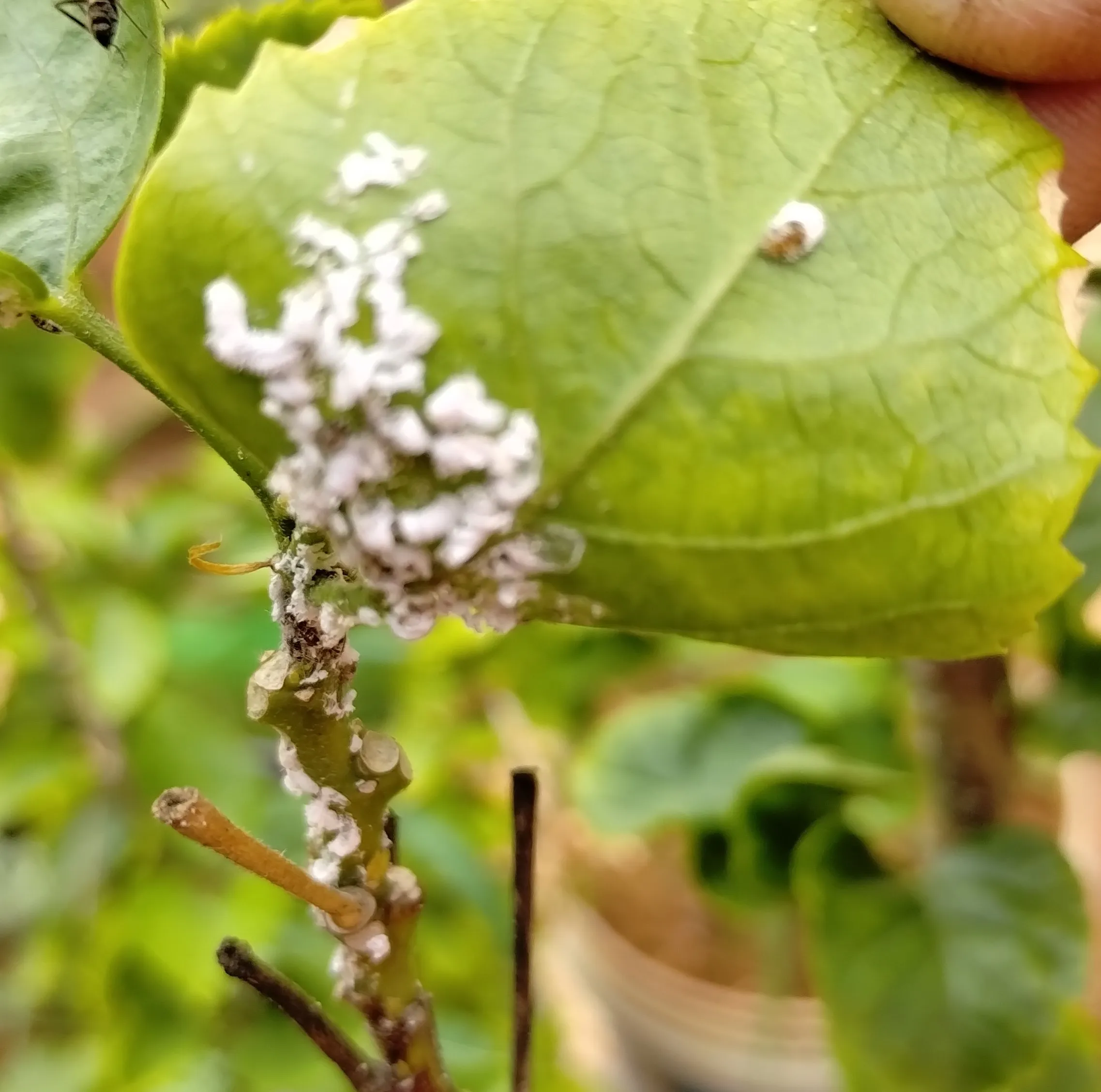
Mealybugs (family Pseudococcidae, order Hemiptera) are unarmored scale insects covered in a distinctive, powdery white waxy secretion resembling flour or cotton. These small, slow-moving plant sap-sucking pests are highly adaptive and are found in both greenhouses and outdoor agricultural settings worldwide. Mealybugs thrive in dense, warm, and humid plant canopies where they cluster in hard-to-reach crevices, leaf axils, and branch forks. By inserting their piercing-sucking mouthparts into the host plant's phloem, they siphon away vital water and nutrient sugars, weakening the plant, causing stunted growth, leaf chlorosis, and serving as a key vector for many agricultural plant viruses.
Identifying a mealybug infestation is relatively straightforward due to their characteristic visual appearance and secretions. The most noticeable symptom is the presence of fluffy, cotton-like white clumps on the undersides of leaves, stems, or leaf nodes. Upon closer inspection, these white clusters contain small, oval-shaped pinkish or light-yellow insects (2–5 mm long) covered in waxy threads. As mealybugs feed, they excrete a sweet, sticky fluid known as 'honeydew'. This honeydew coats surrounding foliage, attracting mutualistic ants (which actively protect mealybugs from predators) and facilitating the growth of dark, dusty black sooty mold that blocks sunlight and stops photosynthesis.
Mealybugs are highly prolific, with females laying 300–600 eggs inside protective, cottony egg sacs. The eggs hatch into active, waxy-free nymphs called 'crawlers' which migrate across the plant to establish new feeding colonies. The entire lifecycle completes in 30 to 45 days depending on temperature, allowing populations to expand rapidly during warm summer months.
| Crop / Plant Type | Severity Rating | Damage Symptoms |
|---|---|---|
| Ornamentals (Hibiscus, Coleus, Orchids) | Extreme (⭐⭐⭐) | Dense cottony colonies, severe leaf drop & stunted stems |
| Citrus Crops, Grapes & Figs | High (⭐⭐) | Honeydew build-up, black sooty mold, ruined fruit skin |
| Greenhouse Crops (Tomatoes, Peppers) | Medium (⭐) | Reduced fruit set, general plant chlorosis |
Managing mealybugs requires an integrated approach to break down their protective waxy shielding. For light indoor infestations, dabbing individual mealybugs with a cotton swab dipped in rubbing alcohol instantly dissolves their wax coat and kills them. For field or garden applications, spraying with insecticidal soap, neem oil, or horticultural oils suffocates both crawlers and adults. Releasing natural predators like ladybugs, lacewings, or the highly specialized 'mealybug destroyer' ladybeetle (*Cryptolaemus montrouzieri*) provides highly effective biological control. Chemical control can be achieved using systemic acetamiprid or imidacloprid sprays on non-edible plants. For further crop protection advice, consult our Plant Disease Identifier Hub, or explore related guides on Aphids, Whiteflies, and Scale Insects.
Taxonomy & Features
- Cotton-Like Mass: Heavy buildup of sticky white, cotton-like wax sacs on leaf nodes and stems shielding egg masses.
- Piercing Sap-Sucking: Siphons sugary plant phloem sap, leading to yellowing foliage, leaf drop, and stunted stems.
- Ant Mutualism: Sweet sticky honeydew secretions attract farm ants that actively guard mealybugs from natural ladybug predators.
- Sooty Mold Growth: Extruded honeydew acts as a growth medium for black sooty mold, blocking photosynthesis.
- Protected Egg Clutches: Female bugs spin weather-resistant, dense cotton egg sacs containing up to 600 eggs.
- Alcohol Swab Kill: Directly dabbing bugs with rubbing alcohol is 100% effective for instant spot-treatment.
Seasonal Outbreak Calendar
Outbreak risk and activity timeline for Mealybug based on seasonal climate patterns:
Names in Different Languages
Affected Plant Species
Vegetables & Crops
- Tomato
- Eggplant
- Potato
- Okra
- Peppers
- Squash
Flowers & Ornamentals
- Hibiscus
- Coleus
- Orchids
- Gardenias
- Poinsettias
- Begonias
Fruits & Berries
- Citrus
- Grapes
- Figs
- Mangoes
- Papayas
- Pineapples
Prevention & Cure
Natural & Organic Methods
- Alcohol Swabs: Dip cotton swabs in 70% isopropyl alcohol and apply directly to mealybugs to dissolve their wax and kill them instantly.
- Neem Oil Sprays: Apply organic cold-pressed neem oil to leaves and stems to disrupt mealybug feeding and development.
- Beneficial Predators: Release Mealybug Destroyers (Cryptolaemus montrouzieri) or green lacewings to hunt mealybugs.
- Water Blast: Blast plants with a sharp stream of water to dislodge mealybugs and wash away sticky honeydew.
Chemical & Professional Control
- Systemic Imidacloprid: Use as a soil drench on ornamental plants to kill feeding mealybugs through systemic plant sap intake.
- Acetamiprid Sprays: Spray foliage thoroughly to target crawler stages and adults with quick contact knock-down.
- Horticultural Oils: Apply ultra-fine horticultural oils during early morning to suffocate mealybugs and destroy egg masses.
Frequently Asked Questions
Why are ants always crawling on my mealybug-infested plants?
Ants and mealybugs share a mutualistic relationship. Mealybugs excrete sweet honeydew, which serves as a highly prized food source for ants. In exchange for this sweet treat, ants actively farm, transport, and protect mealybugs from ladybugs and other beneficial predators.
How can I tell the difference between mealybugs and whiteflies?
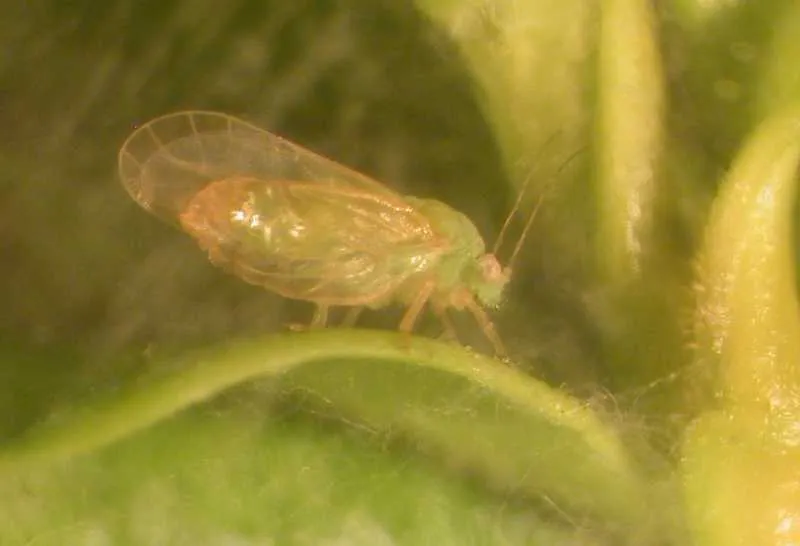
Mealybugs are wingless, slow-moving, oval insects that reside in static, cotton-like colonies on leaves and stems. Whiteflies are tiny, moth-like insects with wings that immediately fly up in dense white clouds when the plant foliage is shaken.
Is mealybug honeydew dangerous to plants?
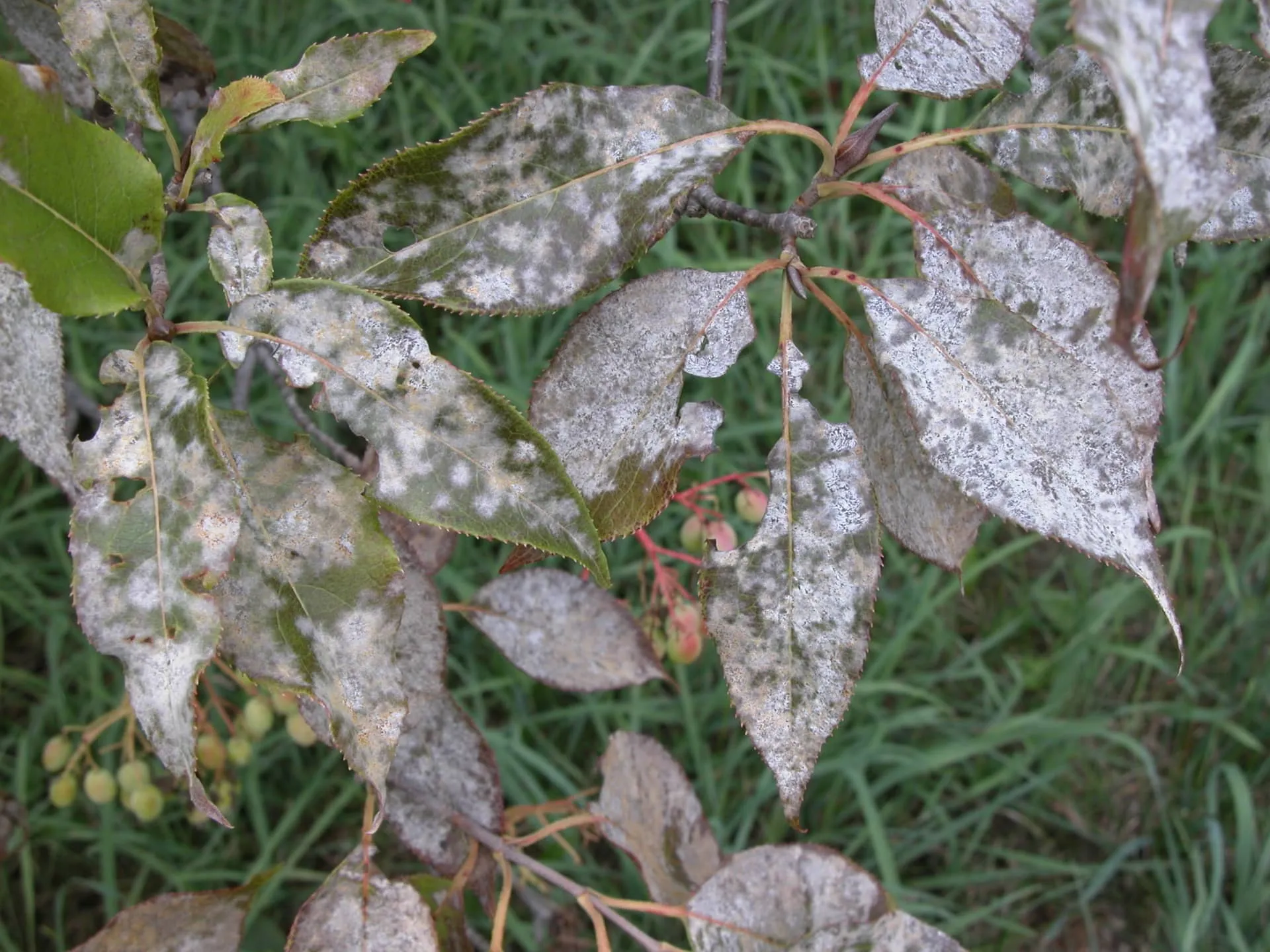
While honeydew itself is not toxic, its sticky presence is highly harmful. It attracts ants and acts as the perfect breeding ground for black sooty mold. This dark mold covers leaf surfaces, blocks sunlight, prevents photosynthesis, and weakens the plant.
Recommended diagnostics based on crop family and symptoms:
Remedy Disclaimer & Safety Notice
This disease guide is for educational screening purposes only. Pathogen behavior, severity, and host susceptibility can vary dramatically based on seed variety, weather conditions, and regional microclimates. Chemical pesticides and organic treatments are subject to strict regional environmental regulations and registration mandates. Please verify all chemical registrations and review manufacturer safety labels carefully with local certified agronomists or agricultural extension service offices before applying.