
Yellow Rust (Stripe Rust)
Puccinia striiformis
About Yellow Rust (Stripe Rust)
Yellow Rust, also widely known as Stripe Rust, is a devastating airborne fungal disease caused by the obligate biotrophic basidiomycete pathogen *Puccinia striiformis*. This crop pathogen is one of the most economically damaging diseases of small-grain cereals globally, presenting an existential threat to wheat (*Triticum aestivum*), barley, and rye production. Because the fungus is an obligate parasite, it drains live plant cells of essential carbohydrates and water, severely disrupting the host's photosynthetic apparatus. Under favorable conditions, yellow rust can spread across entire agricultural valleys within weeks, reducing crop yields by 50% to 100%.
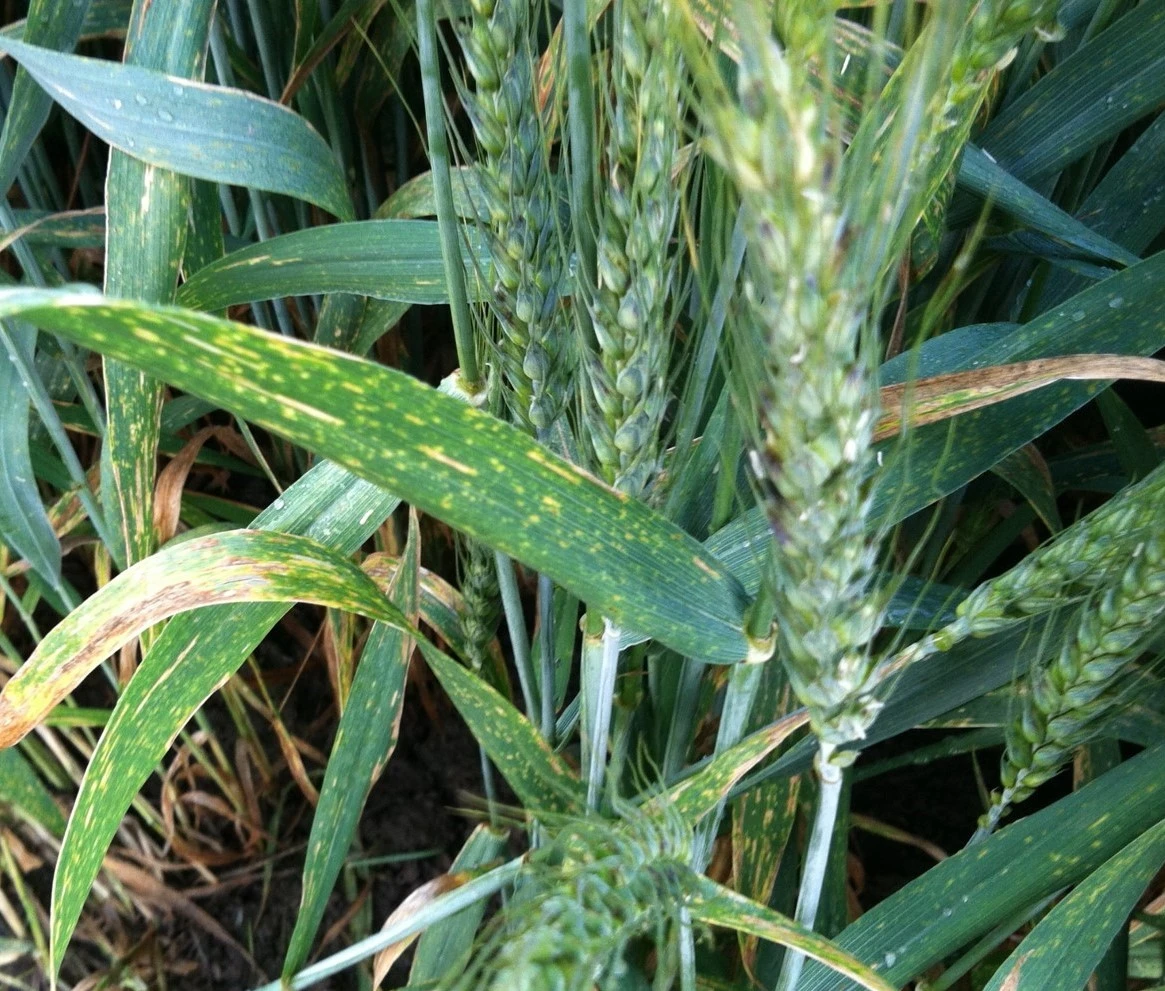
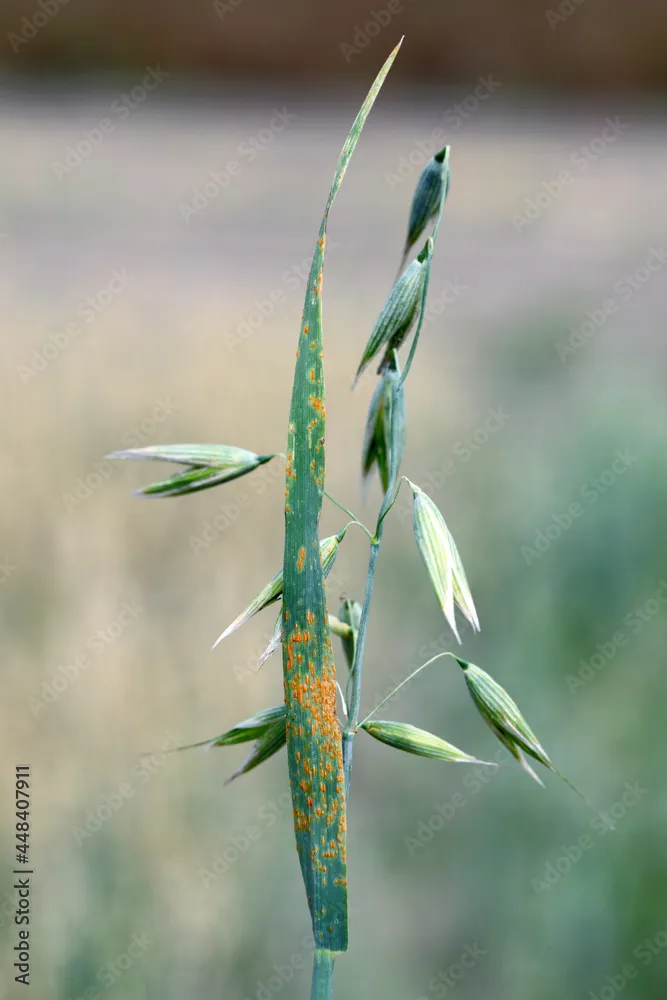
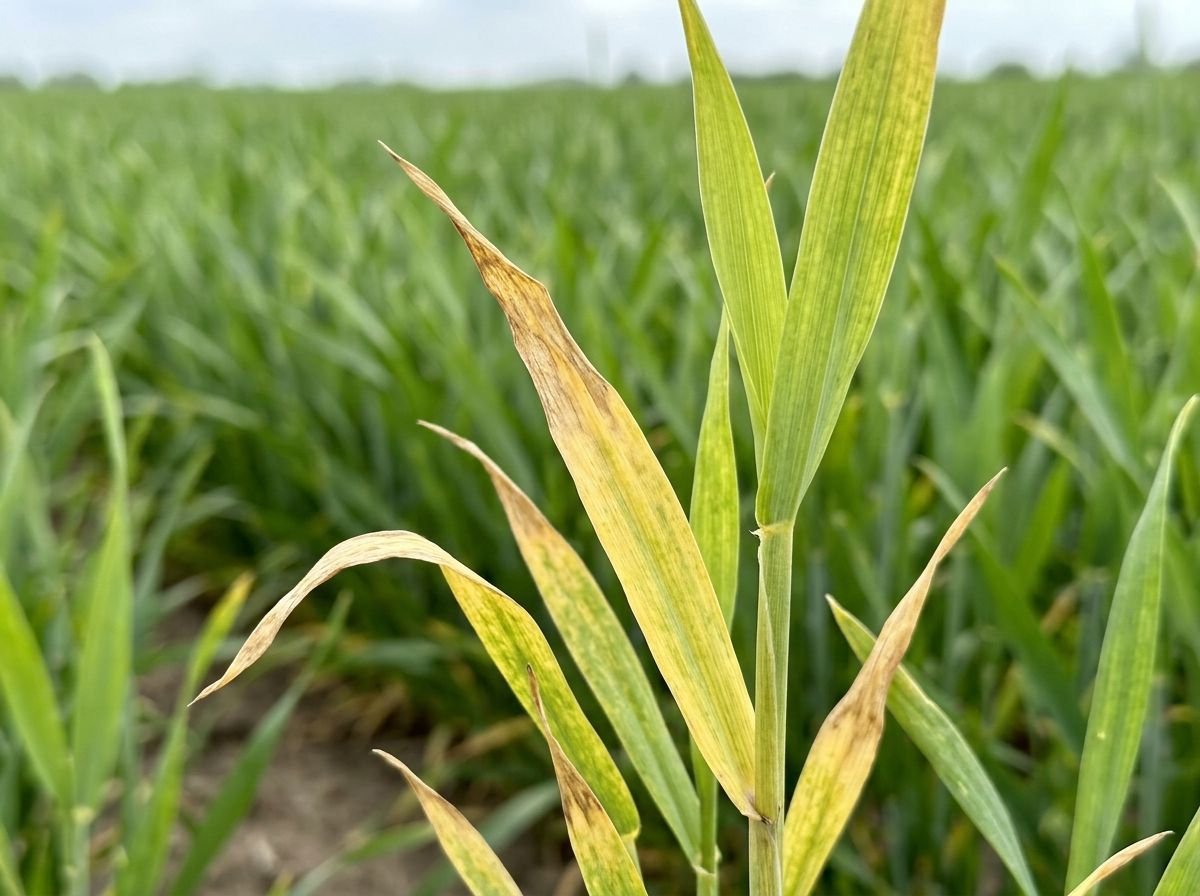
Identifying Yellow Rust relies on recognizing the characteristic parallel stripe pattern of fungal pustules on cereal leaves. Symptoms appear as long, narrow streaks or 'stripes' of bright lemon-yellow to orange-yellow powdery pustules (uredinia) running strictly parallel to the leaf veins. Both the upper and lower surfaces of leaves can be heavily coated. As the infection progresses, the powdery pustules merge, causing the leaves to dry up, turn brown, and wither prematurely. If the disease strikes late in the season, it directly infects the grain heads (spikes), causing shriveled, lightweight, and unmarketable kernels.
The lifecycle and spread of *Puccinia striiformis* are highly dependent on cool, moist, and humid weather conditions. The pathogen thrives in temperatures between 10°C and 15°C with high relative humidity and free leaf moisture from heavy dew or rain. The microscopic spores (urediniospores) are extremely aerodynamic and are transported over thousands of miles by wind currents, jumping across continents.
| Target Cereal / Crop | Severity Rating | Agronomic Loss |
|---|---|---|
| Bread Wheat & Durum Wheat | Extreme (⭐⭐⭐) | Total defoliation, shriveled grain, up to 100% loss |
| Barley & Triticale | High (⭐⭐) | Reduced starch content, poor malting quality |
| Wild Cereal Grasses | Medium (⭐) | Acts as green bridge reservoir for crop infection |
Managing Yellow Rust requires a robust preventive strategy, as once the disease becomes systemic across a field, curing it is extremely difficult. The first and most critical line of defense is planting rust-resistant crop varieties bred specifically to combat local *Puccinia* races. Eliminate any volunteer cereal grasses during the off-season to break the 'green bridge' that allows the fungus to overwinter. If weather conditions favor rust and early leaf pustules are identified, apply systemic triazole fungicides like tebuconazole or propiconazole to protect the flag leaf. For further agricultural disease guides, check our Plant Disease Identifier Hub, or read related articles on Late Blight, Downy Mildew, and Early Blight.
Taxonomy & Features
- Airborne Spore Spread: Millions of microscopic, bright yellow urediniospores are carried over thousands of miles by high-altitude winds.
- Vein-Parallel Stripes: Pustules form long, linear streaks that run strictly parallel to leaf veins, creating a highly distinct striped visual.
- Grain Spike Damage: Fungal spores penetrate grain heads, feeding directly on grain juices, resulting in severely shriveled, empty wheat husks.
- Obligate Parasitism: The fungus cannot live in soil or dead organic matter; it requires living host tissue (green bridge) to survive the off-season.
- Cool-Climate Lover: Unlike other cereal rusts, yellow rust thrives in cool (10-15°C) damp weather, striking early in the spring season.
- Flag Leaf Protection: Directing chemical sprays to protect the flag leaf (topmost leaf) is critical, as it contributes 50%+ of final grain yield.
Seasonal Outbreak Calendar
Outbreak risk and activity timeline for Yellow Rust (Stripe Rust) based on seasonal climate patterns:
Names in Different Languages
Affected Plant Species
Vegetables & Crops
- None documented (Pathogen is strictly specific to cereal grains and wild grasses)
Flowers & Ornamentals
- None documented (Pathogen is strictly specific to cereal grains and wild grasses)
Fruits & Berries
- None documented (Pathogen is strictly specific to cereal grains and wild grasses)
Prevention & Cure
Natural & Organic Methods
- Resistant Crops: Plant certified rust-resistant wheat varieties recommended for your specific geographic farming zone.
- Green Bridge Removal: Eradicate volunteer cereal seedlings and wild host grasses within 50 meters of fields before planting.
- Late Sowing: Adjust sowing dates to prevent the critical young seedling stage from matching peak spring spore counts.
- Balanced Nutrition: Avoid heavy late-season applications of high-nitrogen fertilizer, which makes leaves succulent and prone to infection.
Chemical & Professional Control
- Triazole Fungicides: Apply Tebuconazole or Propiconazole foliar sprays immediately upon detecting the very first yellow leaf streaks.
- Strobilurins: Spray Pyraclostrobin at early boot stage to provide long-lasting protective barriers against spore invasion.
- Seed Treatments: Treat sowing seed with Fluquinconazole to protect emerging autumn seedlings from early infections.
Frequently Asked Questions
How can I tell Yellow Rust apart from Brown/Leaf Rust?
Yellow Rust (Stripe Rust) forms distinct, narrow linear stripes of bright lemon-yellow pustules that run parallel to the leaf veins. Brown/Leaf Rust forms random, scattered circular pustules of a reddish-brown color across the entire leaf surface without any linear stripe alignment.
What is the 'green bridge' and why is it so important for yellow rust?
The green bridge refers to living host plants (like volunteer wheat from the previous season or wild grasses) that survive between crop seasons. Since Puccinia striiformis is an obligate biotrophic fungus, it cannot survive in dead organic matter or soil; it must have living leaves to live on. Removing these volunteer grasses is critical to starve the fungus and break its lifecycle.
Is it safe to use straw from yellow rust infected wheat as animal bedding or mulch?
Yes. Once the wheat plant is harvested and dried, the obligate biotrophic rust fungus dies very quickly because it lacks living green tissue. The dry straw is perfectly safe to use for mulching or animal bedding and will not spread yellow rust to other garden plants or vegetables.
Recommended diagnostics based on crop family and symptoms:
Remedy Disclaimer & Safety Notice
This disease guide is for educational screening purposes only. Pathogen behavior, severity, and host susceptibility can vary dramatically based on seed variety, weather conditions, and regional microclimates. Chemical pesticides and organic treatments are subject to strict regional environmental regulations and registration mandates. Please verify all chemical registrations and review manufacturer safety labels carefully with local certified agronomists or agricultural extension service offices before applying.