
Fusarium Wilt
Fusarium oxysporum
About Fusarium Wilt
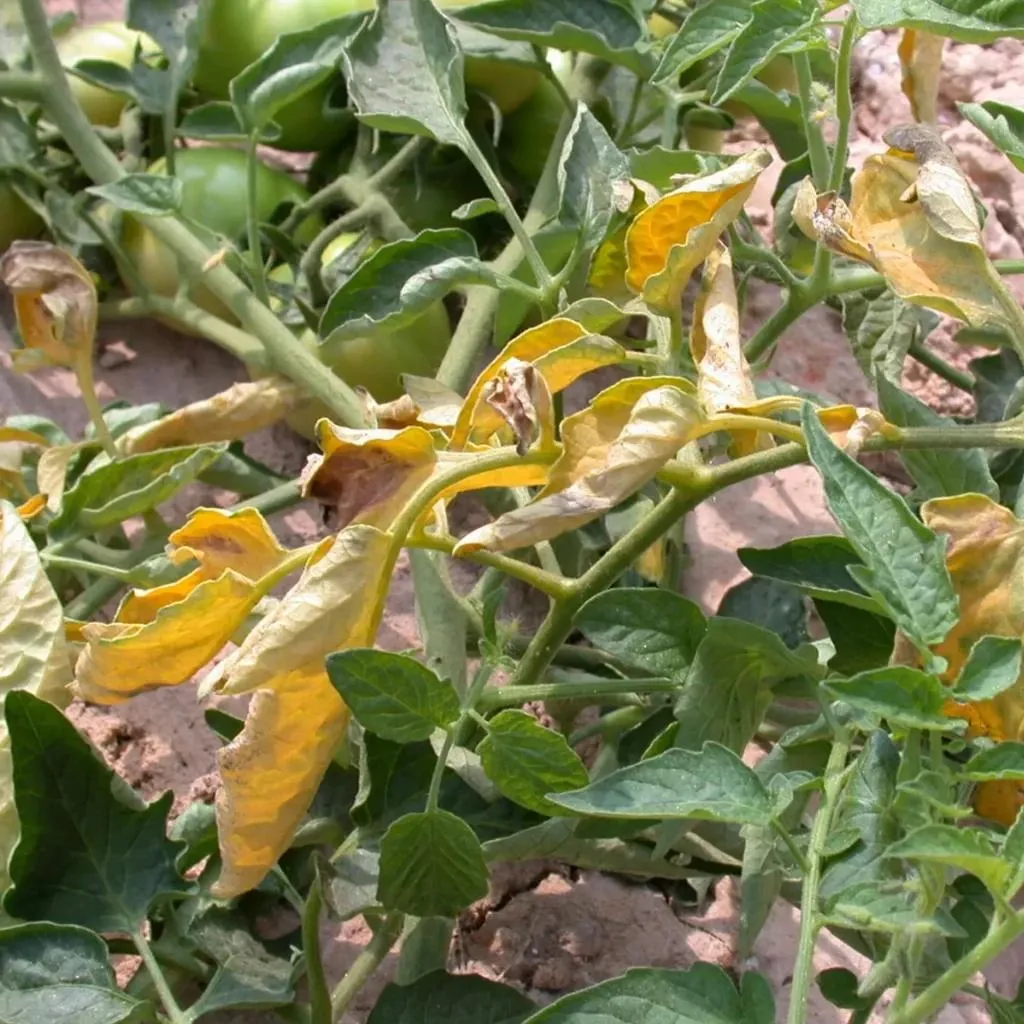
Fusarium Wilt is a highly destructive, soil-borne fungal disease caused by the species complex *Fusarium oxysporum*. This notorious ascomycete pathogen is unique because it consists of hundreds of host-specific strains, called *formae speciales* (f. sp.), that target specific crop varieties—such as *F. oxysporum f. sp. lycopersici* on tomatoes, and *f. sp. cubense* (causing Panama disease) on bananas. The fungus penetrates host plant root hairs, invading the water-transporting xylem vessels. As the mycelia multiply and block water flow, they choke off the plant's vascular system, leading to systemic wilting, leaf death, and eventual plant death.
Identifying Fusarium Wilt involves recognizing characteristic vascular choking patterns. A classic symptom is the 'one-sided' wilting effect, where only one side of a plant, or even a single branch or half of a leaf, turns yellow and wilts while the rest remains green. Lower leaves are affected first, yellowing and drooping. If you slice open the main stem near the soil line, you will see a striking diagnostic sign: a dark brown, water-soaked discoloration of the vascular ring instead of healthy light green or white tissue.
The pathogen is highly optimized for warm soil temperatures (above 27°C) and is often more severe in acidic, sandy soils. It overwinters as thick-walled chlamydospores in the soil, which can survive dormant for up to 30 years without a host.
| Vulnerable Host Crop | Severity Rating | Vascular Wilt Symptoms |
|---|---|---|
| Bananas (Cavendish, Gros Michel) | Extreme (⭐⭐⭐) | Panama disease; leaf canopy yellowing, vascular brown rot, total collapse |
| Tomatoes (Solanaceous) | Extreme (⭐⭐⭐) | One-sided leaf yellowing, xylem vascular browning, systemic wilting |
| Melons & Watermelons | High (⭐⭐) | Sudden vine wilting during fruit set, root rot, vine split |
Eradicating Fusarium Wilt once inside vascular tissue is impossible. Management relies on prevention, crop rotation, and genetics. Only plant certified disease-resistant crop seeds (labeled 'F' or 'FF' for tomatoes). Maintain a neutral-to-alkaline soil pH (6.5 to 7.0) to slow fungal reproduction. For organic suppression, apply *Trichoderma harzianum* or beneficial mycorrhizal fungi to root basins to compete with *Fusarium*. Chemical soil fumigation is used for commercial fields. For advanced agricultural support, browse our Plant Disease Identifier Hub, or explore related threat profiles like Verticillium Wilt, Bacterial Wilt, and Root Rot.
Taxonomy & Features
- Systemic Vascular Choking: Mycelia colonize xylem water channels, starving foliage of water and minerals.
- Vascular Ring Browning: Slicing the lower stem exposes a diagnostic dark brown water-soaked vascular ring.
- One-Sided Wilting: Foliage on only one side of a stem, branch, or leaf leaflets yellows and droops first.
- Chlamydospore Dormancy: Produces robust soil-borne chlamydospores surviving dormant in soils for up to 30 years.
- Acidic Soil Affinity: Thrives in warm, acidic, sandy soils (pH 5.0-5.5) with soil temperatures exceeding 27°C.
- Host-Specific Strains: Differentiated into highly specialized 'formae speciales' strains targeting unique cultivars.
Seasonal Outbreak Calendar
Outbreak risk and activity timeline for Fusarium Wilt based on seasonal climate patterns:
Names in Different Languages
Affected Plant Species
Vegetables & Crops
- Tomato (Extremely vulnerable)
- Beans
- Melons (Watermelon, Cantaloupe)
- Cabbage
- Onion
- Peas
Flowers & Ornamentals
- Carnations
- Chrysanthemums
- Asters
- Gladiolus
- Orchids
Fruits & Berries
- Banana (Panama disease strain)
- Strawberry
- Passion Fruit
Prevention & Cure
Natural & Organic Methods
- Resistant Genetics: Always plant certified resistant seeds marked 'F' or 'FF' (for tomatoes).
- Soil Alkalization: Raise soil pH to 6.5–7.0 using agricultural lime to suppress spore germination.
- Trichoderma harzianum: Apply beneficial Trichoderma fungi to inoculate soil and outcompete Fusarium.
- Sanitary Eradication: Dig up and burn infected plants immediately; never compost diseased tissues.
Chemical & Professional Control
- Chloropicrin: Use as a commercial pre-plant soil fumigant to sanitize heavily infested fields.
- Prothioconazole: Apply as a targeted root drench around healthy surrounding plants to limit spread.
- Myclobutanil: Apply as a protective chemical barrier on high-value ornamental nursery stock.
Frequently Asked Questions
Can I spray a fungicide on my plant to cure Fusarium Wilt?
No. Once Fusarium wilt enters the roots and blocks the vascular xylem, there is no chemical or organic treatment that can cure or save the plant. Management is entirely preventive, requiring the use of resistant varieties and soil sanitation.
How long does Fusarium Wilt survive in garden soil?
Fusarium oxysporum produces highly resilient, thick-walled survival spores called chlamydospores. These spores can lie dormant in the soil for 20 to 30 years, even in the complete absence of host plants, making simple short-term crop rotation ineffective.
What is Panama disease?
Panama disease is a famous name for banana fusarium wilt, caused by *Fusarium oxysporum f. sp. cubense*. In the mid-20th century, Race 1 of this fungus wiped out the global commercial 'Gros Michel' banana. Today, a new strain called Tropical Race 4 (TR4) threatens the modern 'Cavendish' banana worldwide.
Recommended diagnostics based on crop family and symptoms:
Remedy Disclaimer & Safety Notice
This disease guide is for educational screening purposes only. Pathogen behavior, severity, and host susceptibility can vary dramatically based on seed variety, weather conditions, and regional microclimates. Chemical pesticides and organic treatments are subject to strict regional environmental regulations and registration mandates. Please verify all chemical registrations and review manufacturer safety labels carefully with local certified agronomists or agricultural extension service offices before applying.