
Mango Mealybug
Drosicha mangiferae
About Mango Mealybug
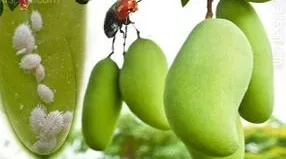
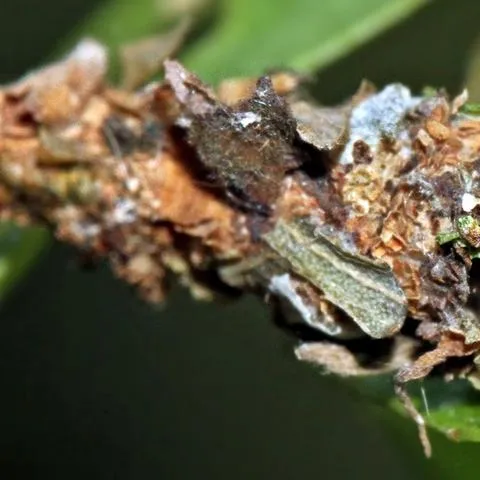
The Mango Mealybug (*Drosicha mangiferae*), a giant scale insect belonging to the family *Monophlebidae* under the order *Hemiptera*, is one of the most destructive and economically damaging sucking pests in mango-growing regions, particularly across South Asia. Unlike smaller mealybugs, this species is exceptionally large, with mature females reaching up to 1.5 cm. These pests aggregate in dense colonies on twigs, branches, flower panicles, and young fruits, using their piercing-sucking mouthparts to aggressively drain host phloem sap. This feeding behavior severely robs mango trees of water and essential nutrients, causing massive yield losses.
Identifying a mango mealybug infestation is simple due to their highly distinct visual cues. The wingless mature females are large, oval, and covered in a thick, powdery, flour-like white wax coating, making them look like moving cotton balls on tree trunks. Nymphs are smaller, brown, and highly active, crawling up the tree trunk in early spring. Foliage symptoms include severe wilting of young shoots, drying of flower panicles, and premature drop of developing fruits. Infested areas are heavily coated in sticky, sugary 'honeydew' excretion, which fuels the rapid growth of black sooty mold on leaf surfaces.
Mango mealybugs are primary pests of mango orchards, but they also attack several other high-value fruit trees and ornamental crops.
| Affected Crops / Plants | Severity Rating | Damage Symptoms |
|---|---|---|
| Mango (Alfonso, Dasheri, Kesar) | Extreme (⭐⭐⭐) | Drying panicles, fruit drop, severe honeydew & black sooty mold |
| Guava, Peach, Plum | High (⭐⭐) | Twig dieback, weakened shoots, reduced fruit quality |
| Citrus, Papaya, Hibiscus | Medium (⭐) | Cosmetic foliar damage, minor shoot wilting |
The life cycle of the mango mealybug is closely synchronized with seasonal temperatures. Females lay hundreds of eggs in soil cracks around the tree base during summer. The eggs overwinter in the soil and hatch as tiny, highly active crawlers in late winter or early spring (January to February). These crawlers migrate up the tree trunk to feed on tender shoots and blooms. Natural and organic management is highly effective: wrapping a 30-cm wide, smooth plastic band around the tree trunk 4 feet above the ground in December blocks the crawlers from climbing up. Dusting the soil base with diatomaceous earth or applying neem-based soil drenches targets emerging nymphs. Chemical control relies on foliar sprays of contact insecticides like imidacloprid or chlorpyrifos on tree bases before they climb. For more agricultural support, check our Plant Disease Identifier Hub, or explore similar sucking pest profiles like Scale Insects, Aphids, and Thrips. For specialized diagnosis of related crop threats, see our guide on Laxman Bhog Mango.
Taxonomy & Features
- Giant Sucking Females: Adult wingless females are unusually large (up to 1.5 cm), with flat, oval bodies covered in a dense layer of white mealy wax.
- Crawler Soil Overwintering: The eggs overwinter deep in soil cracks around the tree basin, hatching as tiny active crawlers in late winter.
- Trunk-Climbing Nymphs: Emerging nymphs migrate up the trunk in massive swarms, making trunk-banding barriers the ultimate physical control.
- Sugary Honeydew Excretion: Excretes large volumes of sticky honeydew that coats leaves, causing severe foliar blockages via black sooty mold.
- Panicle Desiccation: Feeding causes flower panicles to wither, shrivel, and dry up, completely preventing fruit set and crop yield.
- Soil Hoeing Control: Tilling the soil under the tree canopy in winter exposes overwintering egg sacs to direct sunlight and predatory birds.
Seasonal Outbreak Calendar
Outbreak risk and activity timeline for Mango Mealybug based on seasonal climate patterns:
Names in Different Languages
Affected Plant Species
Vegetables & Crops
- Chili Peppers
- Eggplant
- Okra
- Tomato
Flowers & Ornamentals
- Hibiscus
- Bougainvillea
- Crotons
- Plumeria
Fruits & Berries
- Mango
- Guava
- Peach
- Plum
- Citrus
- Papaya
Prevention & Cure
Natural & Organic Methods
- Plastic Trunk Banding: Apply a 30-cm wide grease-covered plastic band around the trunk 3-4 feet high to block crawling nymphs.
- Winter Soil Hoeing: Till the soil around the tree basin in November and December to expose egg masses to birds and frost.
- Neem Seed Kernel Spray: Apply 5% neem seed kernel extract (NSKE) directly to emerging nymphs on the lower trunk.
- Ladybug Predators: Protect and encourage natural coccinellid beetle predators that feed on young mealybug crawlers.
Chemical & Professional Control
- Trunk Dusting: Apply methyl parathion or malathion dust around the tree base to kill emerging crawlers before climbing.
- Systemic Spray: Apply imidacloprid or thiamethoxam on foliage and trunks if bugs bypass the plastic barrier.
- Buprofezin Insect Growth Regulator: Apply buprofezin to specifically disrupt chitin synthesis in mealybug nymphs.
Frequently Asked Questions
Why is trunk banding so effective against mango mealybugs?
Mango mealybug eggs hatch in the soil, and the young nymphs must physically crawl up the tree trunk to reach the tender leaves and flowers. Applying a slick plastic band around the trunk prevents the wingless nymphs from climbing, trapping them on the lower trunk where they can be easily treated or die of starvation.
Can mango mealybugs kill a mature mango tree?
While they rarely kill a large, mature mango tree directly, severe infestations cause extensive drying of inflorescences and massive fruit drops. Over time, repeated infestations weaken the tree, stunt new growth, promote heavy black sooty mold, and dramatically reduce commercial fruit yields.
What is the best time to apply controls for mango mealybug?
Prevention should begin in November and December by tilling the soil around the tree to destroy eggs. Trunk bands must be installed in December before the eggs hatch. Spray treatments or physical removals should target the emerging nymphs on the lower trunk in January and February.
Recommended diagnostics based on crop family and symptoms:
Remedy Disclaimer & Safety Notice
This disease guide is for educational screening purposes only. Pathogen behavior, severity, and host susceptibility can vary dramatically based on seed variety, weather conditions, and regional microclimates. Chemical pesticides and organic treatments are subject to strict regional environmental regulations and registration mandates. Please verify all chemical registrations and review manufacturer safety labels carefully with local certified agronomists or agricultural extension service offices before applying.